
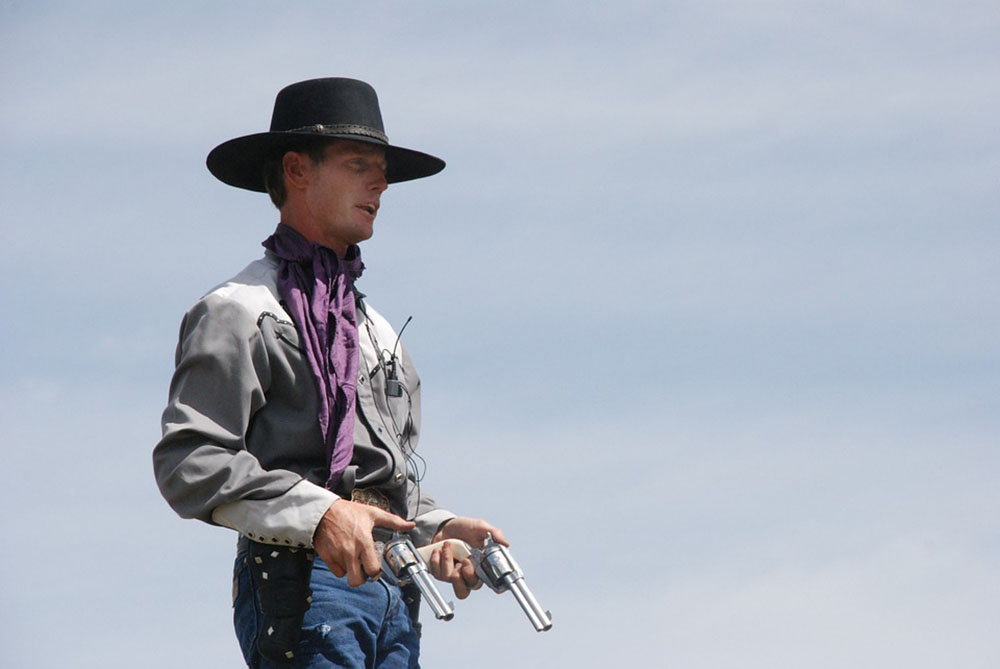
There are times, as storytellers, when we can be so bull-headed about what we want to express, that we end up pushing an agenda rather than telling a story. We create "good guys and bad guys," and in …

Writing the Reluctant Protagonist
“My aim is to put down on paper what I see and what I feel in the best and simplest way.”- Ernest Hemingway Allow the Protagonist to Feel Reluctance No one likes change. The unknown is scary. The …

Stay Curious
“The curious are always in some danger. If you are curious, you might never come home.” - Jeanette Winterson When my son was three years old, he was Captain Hook for Halloween. It was …

Dramatizing Character
“And the day came when the risk to remain tight in a bud was more painful than the risk it took to blossom.” – Anaïs Nin Good writing is a synthesis of ideas and instincts working in concert. …

Taking Off the Mask
"Courage is the price that life exacts for granting peace." - Amelia Earhart In Jerry Stahl’s memoir, Permanent Midnight, he shares his story of being a successful television writer by …
Who is My Protagonist?
Some of you may be writing ensemble screenplays with multiple storylines and scratching your head wondering who your protagonist is. The key is two-fold. First, find the character that drives the …

Blind Spots in Your Story
It is human to have blind spots, and often convenient to be in denial about certain aspects of ourselves. This is natural, or, at least, common. Humans are not logical, and stories both great and wild …

The Power of Curiosity
Story creation often begins with an idea or an image that ignites your imagination. You become curious, wanting to know more, to see how it is going to play out. The desire to write is connected to …
Using Your Credo to Create Story Conflict
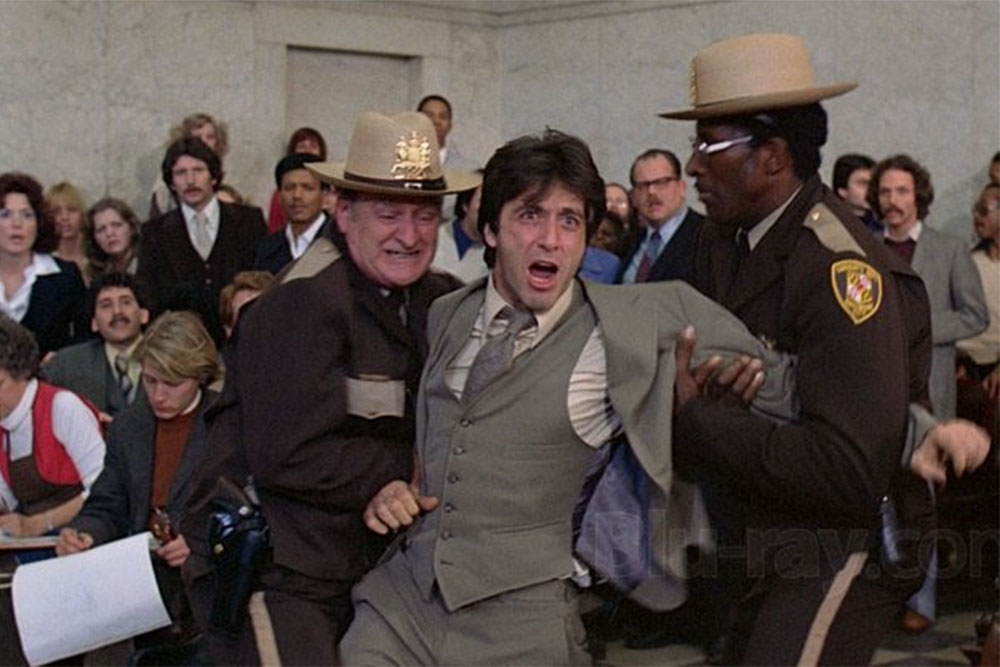
(Image from And Justice for All, 1979) You can't have story without conflict. As writers, it is important to investigate and become conscious of what we feel strongly about. Find those issues that …
Act One: Maintaining Tension
“A writer writes not because he is educated but because he is driven by the need to communicate. Behind the need to communicate is the need to share. Behind the need to share is the need to be …
Most popular posts

Writing the Reluctant Protagonist
“My aim is to put down on paper what I see and what I feel in the best and simplest way.”- Ernest Hemingway Allow the Protagonist to Feel Reluctance No one likes change. The unknown is scary. The end of Act One involves your protagonist making a decision they can’t go back on. There is …
Read More
Stay Curious
“The curious are always in some danger. If you are curious, you might never come home.” – Jeanette Winterson When my son was three years old, he was Captain Hook for Halloween. It was fascinating to watch him. He cared way more about playing pretend than he did about the candy. It would have been …
Read More
Blind Spots in Your Story
It is human to have blind spots, and often convenient to be in denial about certain aspects of ourselves. This is natural, or, at least, common. Humans are not logical, and stories both great and wild can emerge from this. By exploring the nature of our protagonist’s dilemma, our story’s structure reveals itself. This allows …
Read MoreThe 90-Day Screenplay
The 90-Day Screenplay™ is a Live-on-Zoom workshop with Alan Watt that will take you from initial idea to the completion of your screenplay in 90 days.

Recent Posts

No Good Guys, No Bad Guys
There are times, as storytellers, when we can be so bull-headed about what we want to express, that we end up pushing an agenda rather than telling a story. We create “good guys and bad guys,” and in so doing, our writing becomes general, turgid, boring. This may seem obvious, but at times it can …
Read More
Writing the Reluctant Protagonist
“My aim is to put down on paper what I see and what I feel in the best and simplest way.”- Ernest Hemingway Allow the Protagonist to Feel Reluctance No one likes change. The unknown is scary. The end of Act One involves your protagonist making a decision they can’t go back on. There is …
Read More
Stay Curious
“The curious are always in some danger. If you are curious, you might never come home.” – Jeanette Winterson When my son was three years old, he was Captain Hook for Halloween. It was fascinating to watch him. He cared way more about playing pretend than he did about the candy. It would have been …
Read More
Dramatizing Character
“And the day came when the risk to remain tight in a bud was more painful than the risk it took to blossom.” – Anaïs Nin Good writing is a synthesis of ideas and instincts working in concert. Letting either one of these elements bind you can throw your writing out of balance. We have …
Read More
Taking Off the Mask
“Courage is the price that life exacts for granting peace.” – Amelia Earhart In Jerry Stahl’s memoir, Permanent Midnight, he shares his story of being a successful television writer by day and going into the bowels of Los Angeles at night to score heroin. It is a common trope in addiction memoirs — the …
Read More
Who is My Protagonist?
Some of you may be writing ensemble screenplays with multiple storylines and scratching your head wondering who your protagonist is. The key is two-fold. First, find the character that drives the action. Second, identify the character that displays the most growth. And, voila! You will likely have identified your protagonist with these simple steps.This character …
Read More
Blind Spots in Your Story
It is human to have blind spots, and often convenient to be in denial about certain aspects of ourselves. This is natural, or, at least, common. Humans are not logical, and stories both great and wild can emerge from this. By exploring the nature of our protagonist’s dilemma, our story’s structure reveals itself. This allows …
Read More
The Power of Curiosity
Story creation often begins with an idea or an image that ignites your imagination. You become curious, wanting to know more, to see how it is going to play out. The desire to write is connected to the desire to resolve something you don’t yet understand. However, there can be a tendency to objectify the …
Read More
Using Your Credo to Create Story Conflict
(Image from And Justice for All, 1979) You can’t have story without conflict. As writers, it is important to investigate and become conscious of what we feel strongly about. Find those issues that inflame your passion. Be curious about your ideas of justice, authenticity, self-authority, the need for community, people who gossip, and the lost …
Read More
Act One: Maintaining Tension
“A writer writes not because he is educated but because he is driven by the need to communicate. Behind the need to communicate is the need to share. Behind the need to share is the need to be understood.”– Leo Rosten If Act One is feeling thin, or the conflict is weak, it might help …
Read More