

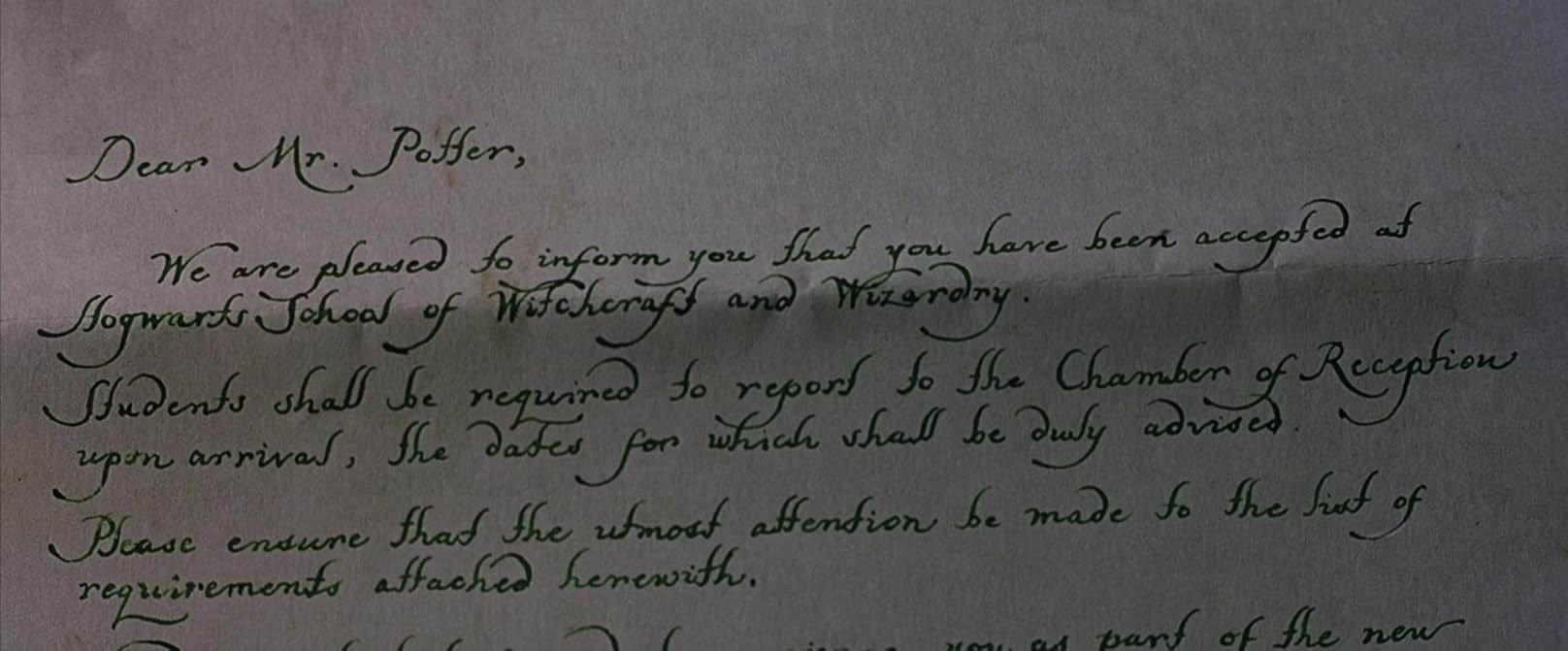
Theme is a way of making a series of events which are personal to the protagonist universally relatable to a wide audience. In other words, one doesn’t have to live in a cupboard and be descended from …

Rising Action | Definitions, Examples & Your Secret Weapon
Rising action refers to the series of events that lead from the story’s inciting incident to the climax. In this article I will explore how to create a compelling ‘rising action’ that leads to a …
Rising Action | Definitions, Examples & Your Secret WeaponRead More
Inciting Incident | Definition, Examples & Your Secret Weapon
When it comes to storytelling, if a reader isn’t engaged within the first 20 or 30 pages, you run the risk of losing their attention and having them move on to something else. So, what happens in …
Inciting Incident | Definition, Examples & Your Secret WeaponRead More

Falling Action | Definition, Examples & Your Secret Weapon
What happens after a story’s climactic moment - after the protagonist wins the girl, or confronts the bully, or triumphs over evil? The best stories keep your readers (or audience) guessing until …
Falling Action | Definition, Examples & Your Secret WeaponRead More
Climax in Literature | Definitions, Examples & Your Secret Weapon
The climax. This is the moment your reader has been waiting for. They’ve spent hours immersed in your story, falling in love with your characters and becoming increasingly invested in your plot. …
Climax in Literature | Definitions, Examples & Your Secret WeaponRead More

Story: A Journey of Self-Discovery
Story is always a journey of self-discovery “The unexamined life is not worth living.” - Socrates Embarking on a creative endeavor, especially memoir writing, often brings forth a whirlwind of …

Exploring the Dilemma
At the heart of every story lies a dilemma. It is not a question of whether or not your protagonist has a dilemma, but rather, how effectively you've explored it. By exploring your protagonist’s …

Transformation
A fundamental understanding of transformation is crucial to having anything more than an intellectual relationship to structure. You've probably read books on three-act-structure. But it is important …

The Imperative for Dramatic Conflict
A director told me once that if you put two actors together in a scene without directing them or staging the scene, the conflict would begin to diminish. If the actors were on opposite sides of the …

Finding Home
“Home is where one starts from.” - T. S. Eliot There’s nothing more primal than our quest for home. The dilemma is that our childhood homes may have been confusing, chaotic, or even violent. …
Most popular posts

Story: A Journey of Self-Discovery
Story is always a journey of self-discovery “The unexamined life is not worth living.” – Socrates Embarking on a creative endeavor, especially memoir writing, often brings forth a whirlwind of fears. Among these, the fear of exposure can loom large. When recounting personal experiences, the instinct to withhold information or downplay the drama — either …
Read More
Dilemma: The Source of Your Story
At the heart of every story lies a dilemma. It is not a question of whether or not your protagonist has a dilemma, but rather, how effectively it has been explored. By exploring your protagonist’s dilemma, you are led to the most dynamic version of your story. The dilemma is your story’s source, from which …
Read More
Exploring the Dilemma
At the heart of every story lies a dilemma. It is not a question of whether or not your protagonist has a dilemma, but rather, how effectively you’ve explored it. By exploring your protagonist’s dilemma, you are led to the most dynamic version of your story. Your protagonist’s dilemma is the source of your story, …
Read MoreStory Day Workshop
This workshop is for novelists, screenwriters, show runners, memoirists, producers, directors, song writers, poets, editors, and anyone else with a desire to deepen their understanding of how to build a story.

Recent Posts

Theme | Definition, Examples & Your Story Weapon
Theme is a way of making a series of events which are personal to the protagonist universally relatable to a wide audience. In other words, one doesn’t have to live in a cupboard and be descended from wizards to relate to Harry Potter’s struggle to believe that love conquers all. In this article I will …
Read More
Rising Action | Definitions, Examples & Your Secret Weapon
Rising action refers to the series of events that lead from the story’s inciting incident to the climax. In this article I will explore how to create a compelling ‘rising action’ that leads to a satisfying conclusion. And finally, I will offer you a powerful story tool to help you write a dynamic rising action …
Read More
Inciting Incident | Definition, Examples & Your Secret Weapon
When it comes to storytelling, if a reader isn’t engaged within the first 20 or 30 pages, you run the risk of losing their attention and having them move on to something else. So, what happens in the opening pages of your novel or memoir that captures your reader’s attention? You may have heard it …
Read More
Falling Action | Definition, Examples & Your Secret Weapon
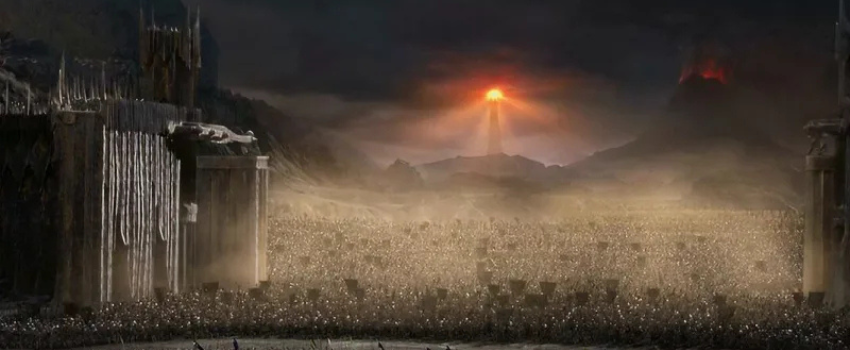
What happens after a story’s climactic moment – after the protagonist wins the girl, or confronts the bully, or triumphs over evil? The best stories keep your readers (or audience) guessing until the very end. The screen doesn’t cut to black when Frodo throws the ring into the fire. Sauron may have been defeated but …
Read More
Climax in Literature | Definitions, Examples & Your Secret Weapon
The climax. This is the moment your reader has been waiting for. They’ve spent hours immersed in your story, falling in love with your characters and becoming increasingly invested in your plot. Tension has been building as they anticipate that something big, something life-changing is about to happen for your protagonist, and your reader will …
Read More
Story: A Journey of Self-Discovery
Story is always a journey of self-discovery “The unexamined life is not worth living.” – Socrates Embarking on a creative endeavor, especially memoir writing, often brings forth a whirlwind of fears. Among these, the fear of exposure can loom large. When recounting personal experiences, the instinct to withhold information or downplay the drama — either …
Read More
Exploring the Dilemma
At the heart of every story lies a dilemma. It is not a question of whether or not your protagonist has a dilemma, but rather, how effectively you’ve explored it. By exploring your protagonist’s dilemma, you are led to the most dynamic version of your story. Your protagonist’s dilemma is the source of your story, …
Read More
Transformation
A fundamental understanding of transformation is crucial to having anything more than an intellectual relationship to structure. You’ve probably read books on three-act-structure. But it is important to recognize that no one has yet been able to isolate the transcendent beauty that draws us into a great story. It is one thing to analyze the …
Read More
The Imperative for Dramatic Conflict
A director told me once that if you put two actors together in a scene without directing them or staging the scene, the conflict would begin to diminish. If the actors were on opposite sides of the stage, they would gradually drift toward each other. Their voices would begin to match each other in tone …
Read More
Finding Home
“Home is where one starts from.” – T. S. Eliot There’s nothing more primal than our quest for home. The dilemma is that our childhood homes may have been confusing, chaotic, or even violent. Whatever your experience, in our adult lives we often unconsciously attempt to recreate it in order to resolve it. In her …
Read More