Blog

How to Use Mannerisms Effectively
You’ve created a character. You’ve crafted their backstory, motivation, and physical features, but maybe they still feel wooden to you. What can



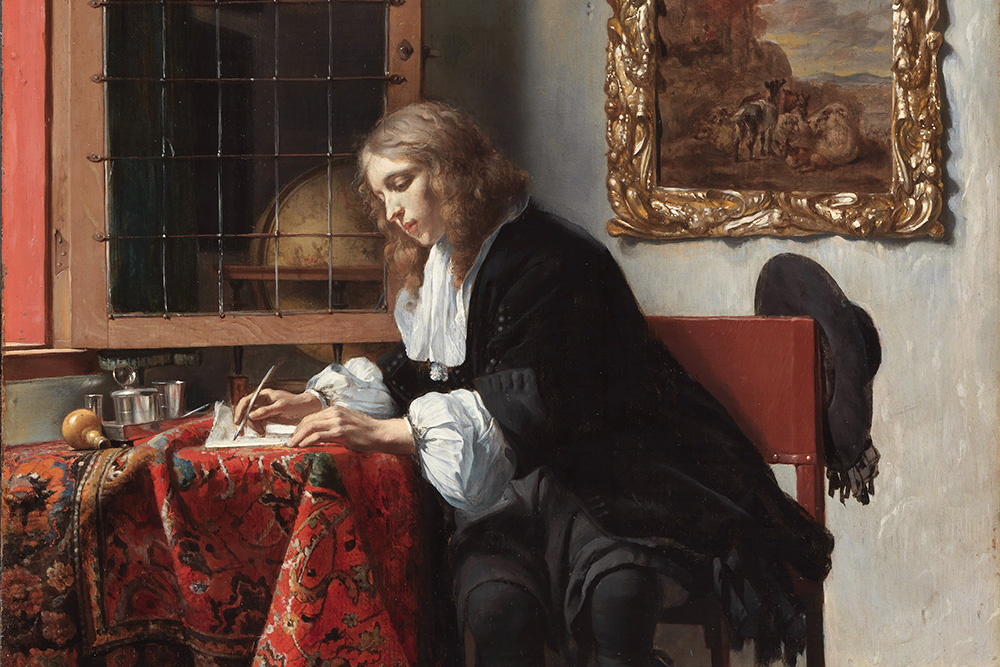


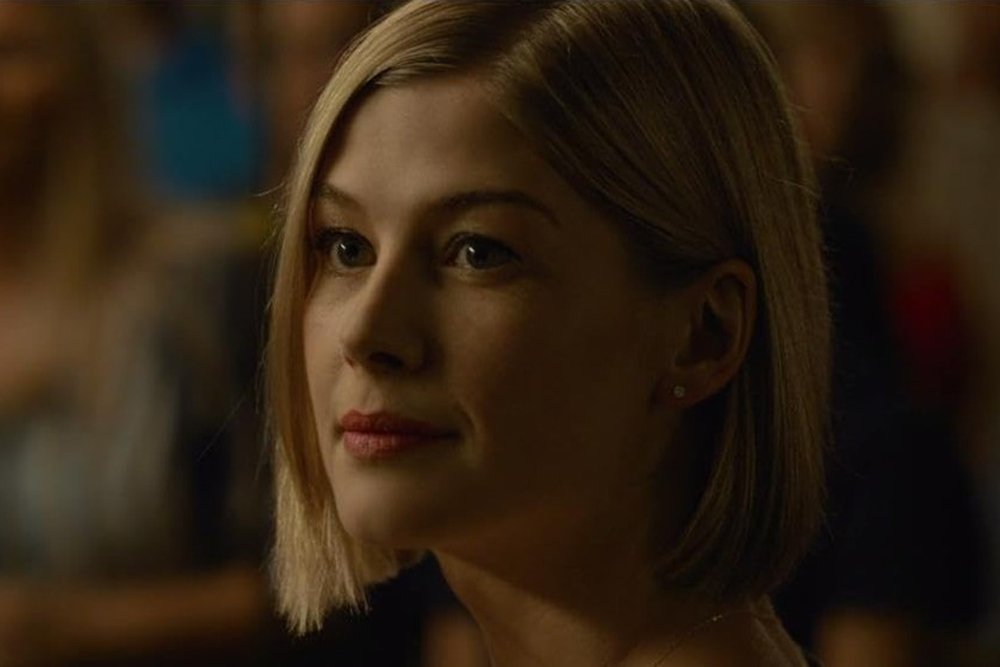


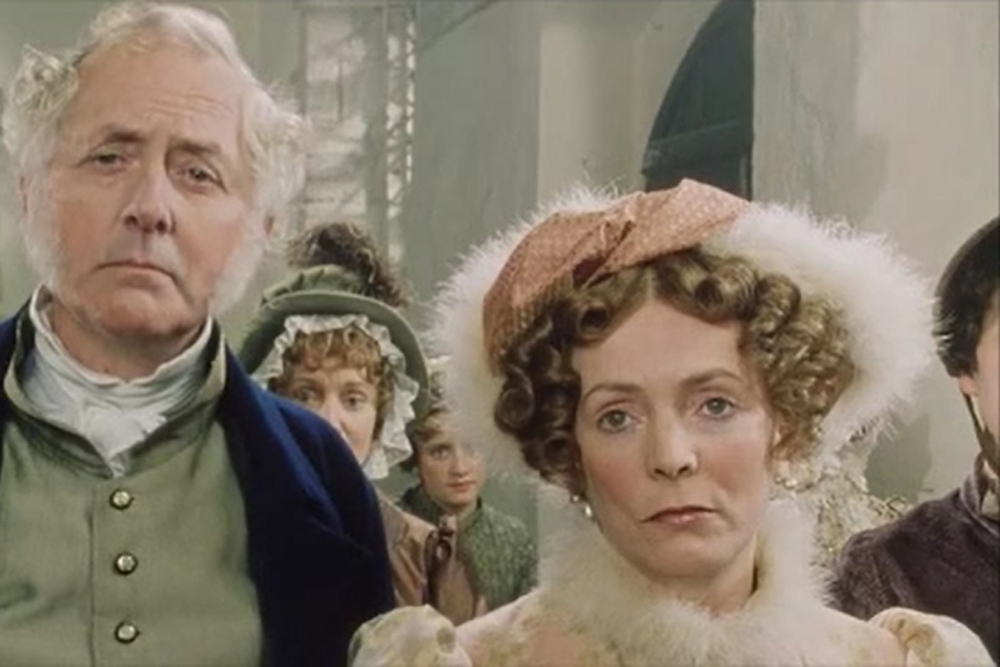

You’ve created a character. You’ve crafted their backstory, motivation, and physical features, but maybe they still feel wooden to you. What can
The characters we write in our stories play a central part in the audience’s engagement. Understanding your characters and why they do

There are times, as storytellers, when we can be so bull-headed about what we want to express, that we end up pushing

“My aim is to put down on paper what I see and what I feel in the best and simplest way.”- Ernest

“The curious are always in some danger. If you are curious, you might never come home.” – Jeanette Winterson When my son

“And the day came when the risk to remain tight in a bud was more painful than the risk it took to

“Courage is the price that life exacts for granting peace.” – Amelia Earhart In Jerry Stahl’s memoir, Permanent Midnight, he shares

Some of you may be writing ensemble screenplays with multiple storylines and scratching your head wondering who your protagonist is. The key

It is human to have blind spots, and often convenient to be in denial about certain aspects of ourselves. This is natural,

Story creation often begins with an idea or an image that ignites your imagination. You become curious, wanting to know more, to
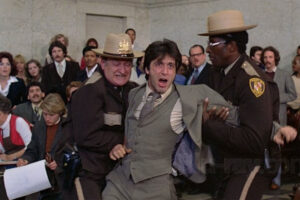
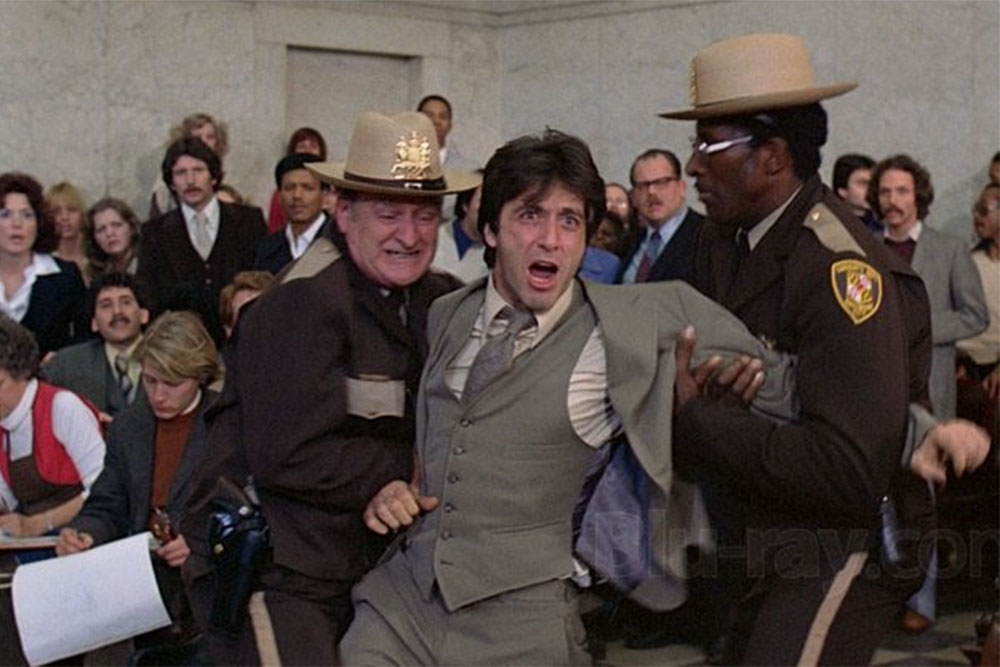
(Image from And Justice for All, 1979) You can’t have story without conflict. As writers, it is important to investigate and become

“A writer writes not because he is educated but because he is driven by the need to communicate. Behind the need to

It’s not just first-time novelists or screenwriters that struggle with getting their story from the imagination to the page. Every writer struggles

Regardless of the medium, your reader is not interested in what your character is feeling. Seriously. In fact, if you tell your

“Nothing changes more constantly than the past; for the past that influences our lives does not consist of what happened, but of

“The purpose of narrative is to present us with complexity and ambiguity.”— Scott Turow If you’re rewriting and a point in your