



Asking “Why?”

Asking Why

Alan Watt

Table of Contents

explore upcoming
writing workshops

finish the day with a completed outline

Always keep your ideal reader close by in your mind asking “Why?”

Our subconscious is perfectly designed for this process. It already knows the story. Our only job is to remain curious and inquire into the nature of things. As we do this, our story comes into focus.

It takes time and patience. Relax and trust while continuing to inquire. Our ego, the personal, is what limits us. When we connect to the dilemma at the heart of our story we connect to the universal, and specific images are revealed. Whether conscious or not, our desire to write is a desire to explore the nature of something through a particular event.

It requires bravery to challenge our beliefs.

“Why?” — There is something primal about this question. Children ask it incessantly. It is about both survival and evolution. Asking why is essential to get underneath the events (the plot) in our story. Underlying these events is a fundamental truth, as opposed to our idea of the way things are. It is not that our ideas are wrong it is just that they are not the whole story. Our perception widens and we find liberation from some idea that kept us tethered. Through story we seek revelation. For a long time the idea may have provided a sense of security, but somewhere within us lies the desire for a greater freedom — for love.

Because at the core, every story is about love. Love is the mystery that is always on the table. It is our truest nature and the ultimate catalyst in restoring order.

We continue to fill endless volumes examining its countless manifestations. It is primal and essential to our evolution, and asking why is the gateway to an answer.


Learn more about marrying the wildness of your imagination to the rigor of structure in The 90-Day Novel, The 90-Day Memoir, or The 90-Day Screenplay workshops.


Alan Watt

Writing Coach

Alan Watt is a bestselling novelist and filmmaker, and recipient of numerous awards including France’s Prix Printemps. He is the founder of alanwatt.com (formerly L.A. Writers’ Lab). His books on writing include the National Bestseller The 90-Day Novel, plus The 90-Day Memoir, The 90-Day Screenplay, and The 90-Day Rewrite. His students range from first-time writers to bestselling authors and A-list screenwriters. His 90-day workshops have guided thousands of writers to transform raw ideas into compelling stories by marrying the wildness of their imaginations to the rigor of story structure.
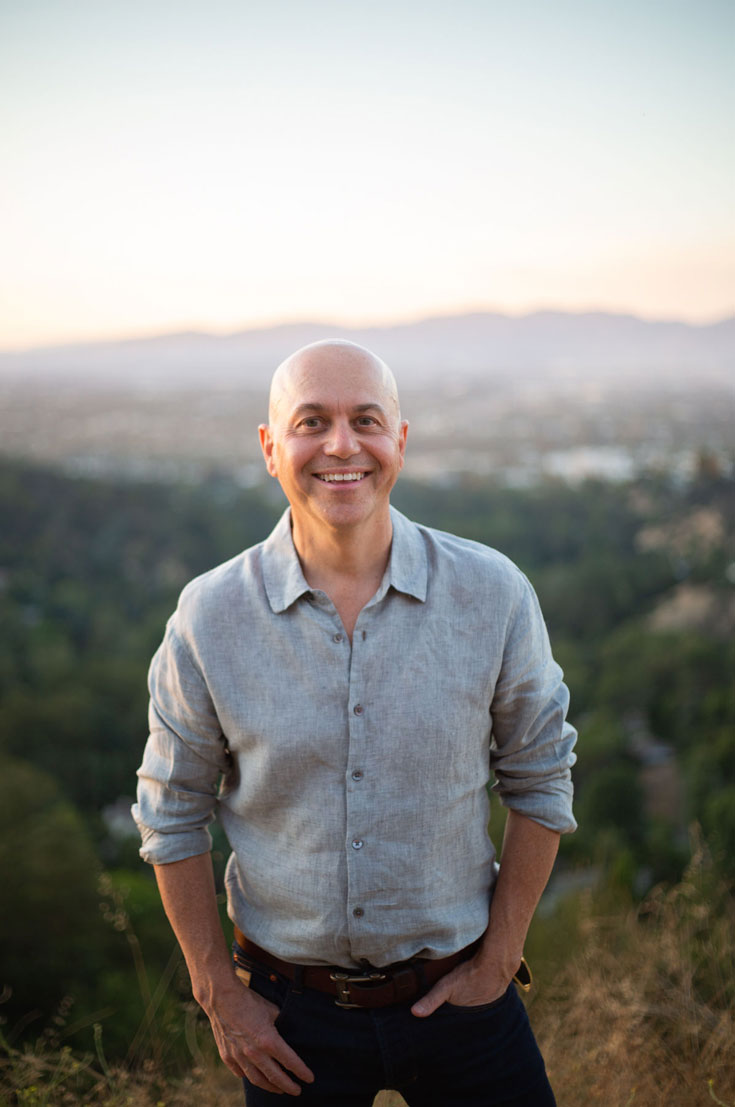
Alan Watt with L.A. hills behind

unlock the story within

Join my newsletter for writing ideas and news on upcoming workshops.

Related posts

An empty dirt road with a speed limit for 120 km/h posted nearby to suggest the wide open road for a writer equipped well with a literary devices list

The Ultimate Literary Devices List: 120 Powerful Techniques Every Writer Should Know

Literary devices are a variety of techniques that writers use to craft better stories, characters, dialogues, and scenes. You probably...

What use contractions in writing have are determined by grammar and colloquial language, as suggested by the grammar book in this image

Contractions in Writing

You may have been taught to avoid contractions in your writing, but that rule typically applies to formal academic writing....

Someone sits by a marked up sheet of music to suggest what is rhythm in writing

What is Rhythm? How to Bring Your Writing to Life

Rhythm is one of those craft issues that writers talk around without really discussing. They might lump it in with...