




A Caregiver archetype is someone who keeps everyone else in the story together. They are the ones who are insightful enough to see when someone is having a problem. They bring the food, the comfort, the words, whatever can help bring a sense of calm or healing at the right time in the right place. They’re the people who often make their own needs the last priority, so much that you don’t even notice that they’re doing it.
That’s the Caregiver. In my experience, it’s one of the most underrated archetypes in fiction. They’re often represented as a warm, fuzzy character, someone who can provide emotional support to the protagonist in their low moments, and make them a cup of tea before they go save the world.
The Caregiver, however, can also be one of the most dramatically rich characters in a story. The question that lies at the heart of the Caregiver’s story is not how much they can give. It’s what happens when giving is the only way they know how to live, and what it costs them to discover who they are when no one else is there to care for them.
In this article, I’ll explain what the Caregiver archetype really is, what drives them, look at shadow versions of this archetype, and some examples. Lastly, I’ll give you a Story Weapon to write your own Caregiver in a way that makes them human and universally relatable.
The Caregiver archetype is a character whose identity and worth are tied to caring for others, often at the cost of their own needs. The richest Caregiver stories explore the tension between compassion and control, along with two shadow forms — the martyr and the enabler — that reveal how care can curdle into dependency. Writing a believable Caregiver means giving them their own unmet desires, a real cost to their giving, and moments where they’re forced to be cared for themselves.
What is the caregiver archetype?
Before we continue, let’s review the definition of archetype: An archetype is a universal character type that is found in stories and mythologies across cultures throughout history. These are not character templates, but rather archetypes from the human heart. These patterns are so ingrained in the way humans tell stories that they can be recognized without having to be named. Swiss psychologist Carl Jung was the first to systematically chart these patterns and understand why they resonate as they do. I have a full post on Jungian archetypes here which is worth reading along with this one.
The Caregiver archetype is a character who is caring, unselfish, and has a strong and sometimes obsessive need to protect and care for others. They are attracted to suffering just as other characters are attracted to adventure or power or knowledge. This is not because suffering doesn’t impact them, but because something in them reacts to suffering: an almost irresistible urge to help.
The Caregiver is not simply a character who is kind. Their identity is defined by helping and caring for others. Their sense of worth, their purpose, their place in the world is inextricably linked to their role in the life of others, even if their efforts are unacknowledged.
That’s where the complexity begins.

The caregiver’s real story
The interesting part of the Caregiver’s story is rarely about the people they are caring for. It’s the question of why they care so deeply. And it’s about what happens dramatically, emotionally, sometimes catastrophically, when the outpouring work they’ve built their life around can no longer hold.

Compassion and control
The Caregiver archetype has an internal conflict that often goes unspoken but is always there, caring for and controlling others.
Caring for someone involves a level of involvement in their life, in the choices they make, their wellbeing, their direction. And involvement, over time, can start to twist into management. The Caregiver who truly desires to help can slowly turn into a person who needs the people they cared for to continue needing them. Not out of malice, but something more complicated than that.
If the people the Caregiver cares for get better, if they become independent, they don’t need the Caregiver anymore. What is their purpose then? Sometimes, when you look closely at a character’s seemingly selfless acts, there’s a strand of self-preservation in there.
This doesn’t make the Caregiver bad. It makes them interesting. It’s a point to consider when writing, too, as the most authentic Caregiver characters are those who don’t resolve this tension too neatly.
The shadow caregiver
Each archetype has a shadow — the less healthy side of that archetype. The shadow has two aspects for the Caregiver, and each is important.

The first is “the martyr.”
This is the Caregiver who has given so much of themselves to the point of grievance. They are still caring, maybe more than ever. But the care is burdened with layers of sacrifice. The martyr doesn’t request anything explicitly. Through their own physical and silent endurance, they exhibit how the debt that others owe them is steadily increasing. It’s a way of controlling others that looks like being unselfish, but it can wreak as much havoc on a family, a relationship, or a community as any other manifest dysfunction.
The second shadow is “the enabler.”
This Caregiver shields the ones they care for from the results of their own decisions. Their charges never learn how to deal with hardship on their own. The enabling Caregiver feels like they are doing a good job. What they are actually doing is making themselves indispensable, sometimes because they love too much, sometimes because they fear what independence in the people they love would mean for themselves.
These two shadows are not necessarily villainous. Both are recognizable, and worthy of compassionate writing.
Examples in literature
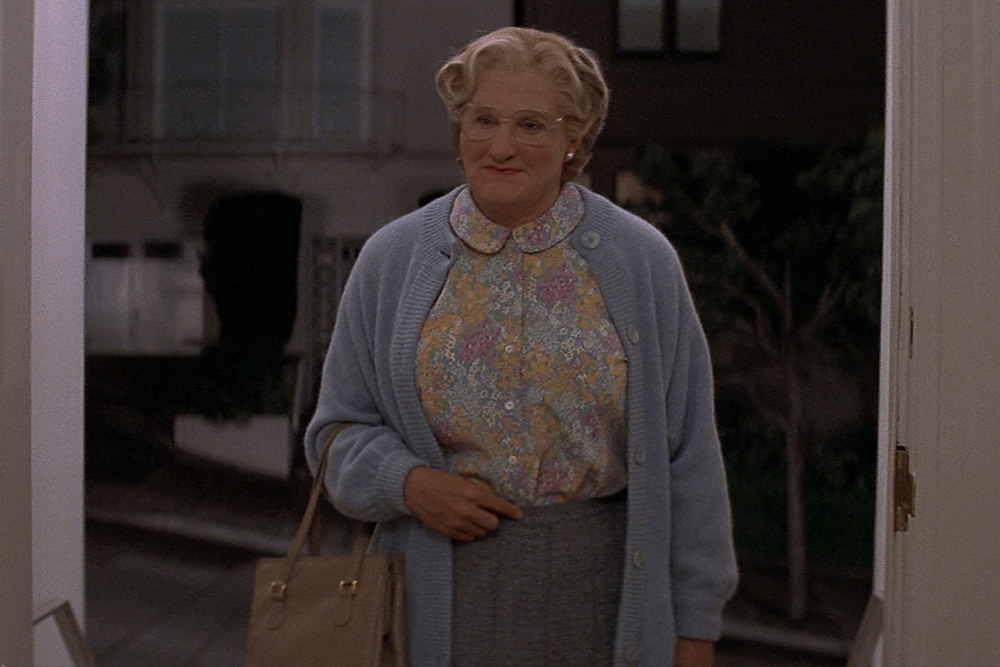
In Anne Fine’s novel Madame Doubtfire (and the film adaptation: Mrs. Doubtfire) is a Caregiver in a surprising way. A divorced dad doesn’t want to be separated from his kids and uses disguises to be near them. The care is real. The circumstances are funny and heart-wrenching. Beneath the jokes, however, is the serious inquiry into what it means to have to be needed, and whether that need — the need that comes from love — is always solely about the people who are being cared for.
Sethe in Toni Morrison’s Beloved takes the Caregiver archetype to its most extreme and most devastating expression. A mother whose love for her children is so absolute, so fiercely protective, that it leads her to a violent act, for which the novel refuses to be a judge. The nature of protective love is a serious question Morrison asks here: What does it become when it has no safe place to turn, when the world it seeks to protect is unrelenting and complete? Sethe is a Caregiver who is driven to a point where care and harm are conflated in one terrible moment.
Examples in film
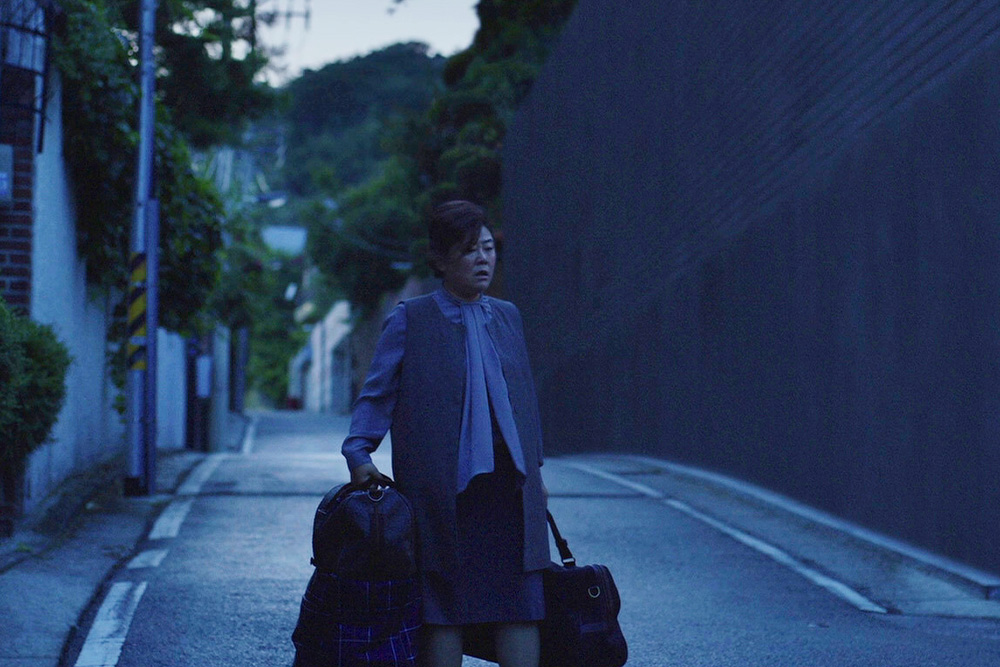
In Parasite, Moon-gwang is a Caregiver who is so devoted to the house she works for that she has absorbed any life she may have had outside of it. Her care becomes synonymous with dependency. She needs the family she serves as much as they need her. This is Bong Joon-ho’s way of saying something biting and uncomfortable about the nature of domestic care: who it’s for, and who pays the price.
Interstellar gives us a different kind of Caregiver in Cooper, a parent who travels across space and time to give his children a better chance at life. In the film’s most heart-wrenching moments, he must confront the price his absence has paid for the children he left behind. Here we have the paradox of the Caregiver who harms by trying to help — who leaves because they love, and returns because they have been wounded by leaving.
Your story weapon: How to write a compelling caregiver
Provide them with their own needs. The Caregiver who desires nothing for their own good, who has no desires that are not connected with others’ well being, is not a person but a saint. Discover what your Caregiver wants, not for others but for themselves. There’s something they’ve saved for, something they’ve left behind, something they never thought of wanting. Include that desire somewhere in the story, even if it’s not voiced outright in the narrative.
Let their care have a cost. Caregiving is exhausting. It always requires something — energy, time, space. A Caregiver who never feels tired, never feels limited, never feels as if there is not enough, never feels like giving up, is not real. The value of their care should be shown. You don’t have to do it melodramatically, but quietly show the cost and their willingness to give anyway.
Explore the conflict between caring and controlling. Not all Caregivers fall into the enabling or martyrdom traps, but most feel the pressure. When your Caregiver realizes that they are managing, instead of helping, and must decide what to do with that realization, it can be one of the most revealing moments in their story.
Allow them to be cared for occasionally. The one who rejects assistance, the one who denies they need anything, the one who suggests that everything’s okay, is a familiar and very human figure. So what happens when someone says, “Let’s take care of the Caregiver”? What’s their reaction?
What the caregiver is really about
Each Caregiver story, in some way, is asking the question: What is love when it costs you yourself?
Not the easygoing kind of love that gives and takes equally. The harder kind — the love that doesn’t stop when it runs out, the love that revolves around another person, the love that forgets where the love for others ends and the self begins.
It is not an easy question to answer. Real caregiving rarely does. The best stories about Caregivers are the ones that simultaneously contain the beauty and the cost of that love: the ones that are both generous and complex.
Write a character who makes your reader feel the pull of loving someone more than themselves. That’s where the reality of the Caregiver archetype resides.
The most memorable Caregiver characters are shaped through emotional honesty and a deep understanding of human motivation. Join one of my next workshops: The 90-Day Novel, The 90-Day Memoir, Story Day, where you’ll learn practical storytelling techniques to strengthen every aspect of your manuscript.