


Theme ideas aren’t something tacked on to the end of a story. They are central to the narrative, and woven throughout it.
In this article, I’ll explain what theme means, look at how theme ideas tend to reveal themselves through character rather than being imposed from above, and walk through some of the most enduring theme ideas writers across every genre return to again and again. Lastly, I’ll give you a Story Weapon for finding the theme your particular story is already reaching toward, even if you can’t name it yet.
Theme ideas work best when discovered through character rather than imposed as a concept from the start. A theme is the deeper question a protagonist’s dilemma keeps circling back to — about love, honesty, power, or survival — not a moral to prove. Recurring theme territories, like what love asks a character to risk or what survival costs, offer a starting point, but the specific question your story asks within that territory is what makes it genuinely yours.
What theme actually means
Before we go any further, here’s the idea that matters most: your story’s theme isn’t something you invent. It’s the deeper question your protagonist keeps running into, no matter what happens on the surface. Every choice, every tension point, and every difficult decision leads back to that same question. Once you start looking for the question instead of the lesson, the theme becomes something you discover rather than something you impose.
Here’s a working definition that might be more useful than one you’ll find in a textbook: a theme is the question your story is genuinely asking.
Not a plot question, like “Will they escape the island?” or “Will she get the job?” It’s a deeper question underneath the plot. The one about how people tick, what they owe each other, what it costs to be honest or cowardly or loyal.
Your theme is the thing that makes your story universally relatable.
The theme is the question your protagonist’s specific dilemma is built around, whether or not you set out to build it that way in the first place.

Every story with any lasting power is built around at least one of these universal questions. Not necessarily answered in the story, but asked. The stories that feel “preachy” (like they’re teaching a lesson with a tidy moral installed at the end) tend to feel flat. Have you ever read a story where it felt like the author was pushing an agenda, telling you what you ought to think or believe? It makes you want to throw the book across the room. The stories that keep readers thinking long after the last page tend to be the ones that stay genuinely curious about something, right up until the final scene.
This is the shift in thinking that makes the theme feel less like an assignment and more like a discovery: you’re not deciding what your story is about. You’re exploring what it’s asking.
Theme comes from character, not concept

It’s important to remember that your characters are not real people. Even if you’re writing a memoir! They are functions of your dramatic question — functions of the theme you’re exploring.
One of the most common mistakes writers make is approaching a theme as if it were a concept, picking an idea first and then building a story around it. The intention is good: you want your work to mean something, and picking a theme upfront feels like a way to guarantee that.
The issue here is that a story structured around a theme often seems forced. The theme is imposed upon the story artificially. Character decisions more blatantly reflect the idea behind the story, not the decisions that would make sense for the characters themselves. Readers will notice if a story is trying too hard to prove a point, rather than explore it.
A better route is often taking the reverse direction: create a character faced with a dilemma first. A character who deeply desires something yet fears it at the same time. A character whose beliefs will be tested throughout the story. By following the logic of such a character and allowing them to make decisions that align with their personality, the theme will naturally emerge.
This is because a character’s inner conflict and the story’s theme are almost always the same thing wearing different clothes. A character who believes that love requires sacrifice, and who spends the story being forced to find out whether that’s actually true, is the theme of sacrifice in love. It’s not a vehicle for illustrating it, but the living, breathing embodiment of it.
Some of the themes writers keep returning to — and why
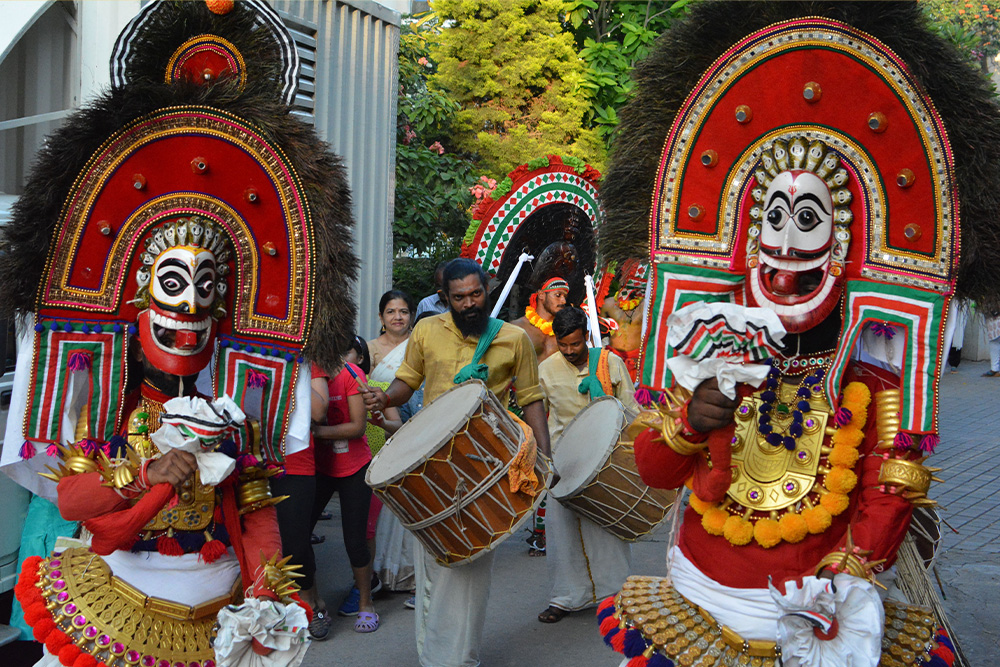
There’s a reason certain themes appear across thousands of years of storytelling in every culture. They’re not clichés — or they don’t have to be. They’re enduring because the questions underneath them haven’t been answered. They keep getting written because writers keep finding new and honest angles on them.
What part of yourself have you spent years hiding? Sometimes a story begins when a character can no longer live as the version of themselves they’ve created for everyone else. Any protagonist forced into circumstances that challenge their self-image is likely working inside this theme, whether the writer planned it that way or not.
What does love ask your character to risk? The interesting question is rarely whether two people love each other. It’s what love demands of them. Love and fear tend to share the same address. This theme appears in stories about relationships, obviously, but also in stories about family, about loyalty, about what people will do or become for someone else.
What happens when your character finally gets what they’ve always wanted? Sometimes, gaining power reveals more than lacking it ever did. The question underneath it varies: does power corrupt inevitably, or only in certain conditions? What happens to people who’ve never had it when they suddenly do? What happens to people who lose it?
What matters more: being right or being compassionate? Stories become interesting when both choices carry a real cost. Both values are real. They simply pull in different directions. Stories built around this tension work because readers feel the pull of both sides, and the story doesn’t let either one win too easily.
What is the cost of honesty? This theme explores what a character has to give up to tell the truth, or face the truth, or live truthfully. This one tends to surface in stories about secrets, about families with things unsaid between them, about characters who’ve spent years constructing a version of themselves that isn’t quite real.
What drives the desire to belong and the fear of isolation? The need to be part of something larger, and the fear of losing yourself in it. This tension runs through stories about community, outsiders, chosen family, exile, and the space between who someone is privately and who they have to be publicly.
What does survival cost? Not just physical survival, though that makes for great stories too, but the moral and emotional toll of staying alive or staying whole in circumstances that make it hard. What a person has to become to survive, and whether what they’ve become is something they can live with.
None of these are instructions for a story. They’re territory — wide, open, with more unexplored ground than any single novel or memoir or screenplay could cover. The specific question your story is asking within that territory is what makes the theme yours rather than a generic version of itself.
How theme works differently across forms

In novels, there is more space for themes to flourish and grow over time. Subplots and supporting characters can explore the same theme in different ways — one by taking the opposite path from the protagonist, another by revealing what’s at stake from a different perspective. The challenge with longer forms is that the theme can become diluted across multiple plot threads, which means the risk of its being lost is high. It is useful to identify an image or a question to hold on to and refer back to if things start getting blurry.
In memoirs, the relationship with a theme becomes more subjective and challenging. While the story behind any memoir is not only about the events that took place but also what they meant to the writer, understanding what those experiences have taught them is essential to discovering the underlying theme of a memoir. The transformation a writer undergoes because of those experiences is ultimately what the memoir is about—and that’s what the theme seeks to capture.
For screenwriters, theme tends to declare itself a little earlier in the process, because the shorter form demands more compression. A screenplay that loses its thematic throughline tends to feel unfocused fast. Many writers find it useful to have a single thematic question written somewhere visible — not as a rigid rule to enforce, but as a compass to check in with when scenes start to drift.
Theme and the fear of being obvious

One of the things that stops some writers from tackling themes seriously is the concern that a thematic story is a didactic one — that having a deeper meaning at all is equivalent to preaching your worldview to the reader.
This concern is valid to a degree, but the answer to it does not lie in avoiding themes altogether. Rather, it lies in trusting the process of creating a story where your characters are developed organically without imposing on them some sort of finality that would push the story to arrive at a certain predetermined conclusion. The distinction between a meaningful story and a didactic one is not the theme itself but whether the story entertains the possibility that it may be incorrect.
That is to say, a story that poses the question of whether love requires sacrifice and truly explores this idea without knowing the answer in advance usually leaves an impression different from a story that already presumes to have the answer regardless of people’s circumstances.
Maintaining curiosity about your own theme is often what keeps it alive.
Your story weapon: Find the question your character can’t stop asking
Here’s a way to locate the theme your story is already working with, even if you haven’t named it yet.
Focus on your main character — not on what they’re doing in the story, but on their belief system. What assumption does your character bring into the story that the antagonists will challenge? It doesn’t have to be something that your character has explicitly stated. Often it’s something that your character hasn’t even fully considered before because it seems so obviously true to them. That unconsidered assumption will be right at the heart of the theme.
Then ask yourself: what will happen when the story challenges this character to abandon it? What will they have to face, lose, or become to move forward to the other side? And what question will that process continually lead them back to?
That question is your theme.
It could be as broad as “Can a person really change their very nature?” It could be as narrow as “Is a family still a family when the bond that united them disappears?” It doesn’t matter how big or small your theme idea is as long as it’s honest. An authentic theme that means a lot to you and for which you do not know the answer will run through your writing in ways that an adopted or imposed theme can’t.
Write to the question; let the characters live in it rather than solve it. If at some point in your writing process, you feel compelled to provide an answer — one that appears neat and convenient — it probably means that you should delve deeper into the area where there is no definite answer yet.
That’s typically where the story becomes interesting, and your true theme ideas reside.
FREE STORY DILEMMA GUIDE: Every great story begins with a dilemma. If your plot feels unfocused or your tension falls flat, this FREE Dilemma Guide will help you identify, explore, and sharpen your protagonist’s central dilemma to reveal the most dynamic version of your story.