


Fantasy tropes have a reputation problem in some crowds. Say the words “chosen one” or “Dark Lord” to a room full of fantasy writers, and you might hear groans. Some writers worry that using these tropes makes a story feel unoriginal, borrowed, even lazy. But some of the most celebrated fantasy novels ever written lean directly into those familiar tropes. What separates them from forgettable imitations usually has to do with what the writer builds underneath it.
A trope is a pattern readers already recognize, a shortcut built from thousands of stories that came before yours. The real question to consider is what a trope is doing under the surface so you can use it with purpose.
In this article, I’ll explain what fantasy tropes can do for a story, why some feel fresh while others feel tired, and how a handful of well-known books handle the same familiar patterns in strikingly different ways. Lastly, I’ll give you a Story Weapon to help you take an overused trope and make it feel like it belongs in your story.
Fantasy tropes like the chosen one, wise mentor, dark lord, and hidden heir aren’t inherently cliché — they become tired only when a writer treats the pattern as the finish line instead of the starting point. Harry Potter’s chosen-one arc works because Harry keeps making real choices, while A Song of Ice and Fire redistributes the dark lord’s menace into ordinary human ambition. The strongest revision tool is asking what a trope costs a character, not just what it gives them.
Are fantasy tropes cliché?
A trope is nothing more than an expectation that a reader has at the start of the story. They become cliché when they are used without careful consideration.
That reader expectation is actually useful. It lets you condense or skip pages and pages of setup, because the reader already understands the basic shape of a prophecy, or a magic school, or a band of unlikely companions setting out on a quest. A trope helps you do some of the narrative work. The true art lies in what you create in that saved space.
That’s why the same tropes appear time and again in fantasy stories. They work. They’re rooted in deep emotional forms that are familiar and profound.
The trouble begins when a writer thinks using a trope is sufficient to move their story along, and doesn’t bother to weave it into their story in a unique way.

Common fantasy tropes
Some patterns appear so frequently that they’ve become more or less load-bearing for the entire genre. When everyone knows what they’re designed to do, it’s far easier to use them as well.
The chosen one
The chosen one promises a reader that this character is important. The danger here is when the protagonist feels passive or lacks any internal conflict. Things just happen because a prophecy said so.
The Harry Potter series works as well as it does partly because Harry continues to face his fears and make decisions, even while he’s living out a prophecy he didn’t seek. He decides to fight, he decides to trust, he decides to run towards danger again and again. The prophecy sets the framework of his backstory, but his choices propel the story. That’s typically the deciding factor between a character and a plot device with this fantasy trope.
The wise mentor
A mentor’s role is to impart something valuable to the protagonist that they wouldn’t have discovered on their own. When done well, this relationship carries real emotional weight. When done poorly, the mentor becomes a walking exposition machine.
Gandalf in The Lord of the Rings deserves his reputation in part because he doesn’t know everything. He goes on extended absences. He makes mistakes. He even dies, at least for a time; and Frodo and the rest of the fellowship have to continue on without him. Misguided or unavailable mentors are more human than a mentor who is just there for the answers when they are needed.
The dark lord
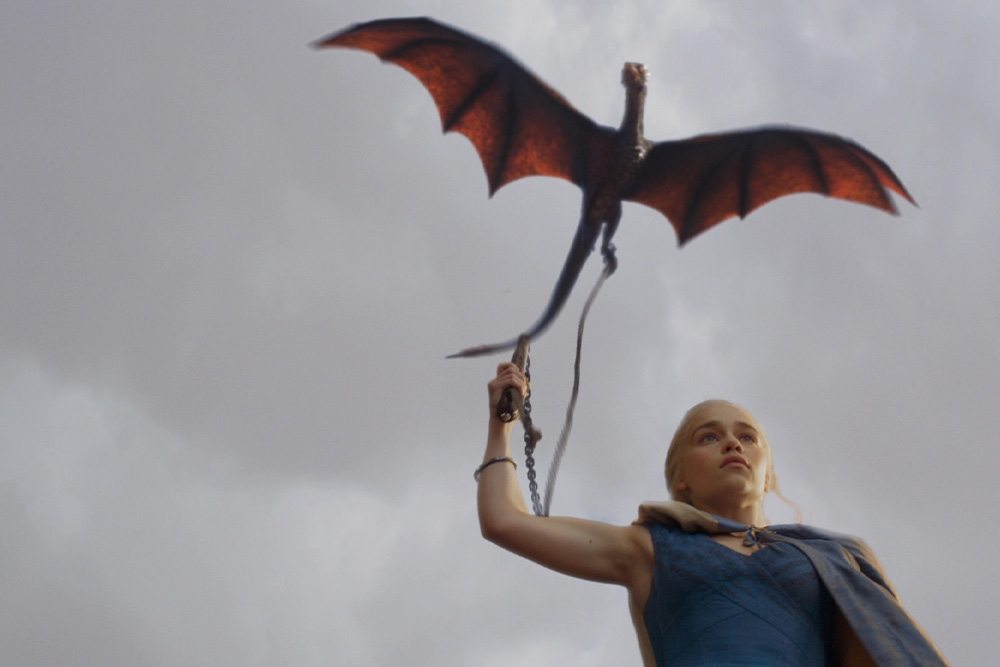
A distant, overwhelming evil gives a story stakes big enough to justify an entire quest. The risk is a villain so abstract they never feel like more than a looming threat on the horizon, with no real interior life of their own.
George R. R. Martin’s approach in A Song of Ice and Fire pushes against this trope directly. Instead of one distant dark lord, the real danger for much of the story comes from ordinary human ambition, cruelty, and self-interest. That shift doesn’t reject the dark lord trope so much as it redistributes the darkness into characters the reader has already spent time with, which tends to land harder than a distant villain ever could.
The hidden heir
A character who turns out to be royalty, or otherwise more important than they knew, can give a story an instant jolt of heightened stakes and possibility. The risk is a reveal that changes the plot trajectory but doesn’t ask for that character to change in any way.
The Sword in the Stone leans on this trope at its root, with young Arthur pulling out Excalibur and discovering a destiny he never suspected. What keeps the trope from feeling hollow is that Arthur’s desire to learn and grow and his strength of character were all already visible before he became king. The heritage confirms something the reader has already come to believe about him, rather than replacing the character we knew with a title.
Why some fantasy tropes feel tired

A trope goes stale not because of the pattern itself but because of what’s missing around it. This is true across fantasy tropes generally, not just those covered above. The chosen one becomes tired when the character never makes a real choice. The mentor becomes tired when they exist purely to explain the plot. The dark lord becomes tired when there’s no human cost attached to their threat. And so on.
None of these problems come from using a familiar trope. They come from treating the pattern as the finish line instead of your starting point.
How to make a familiar trope feel new

One of the best ways to breathe life into a trope is to ask what it costs the character, rather than what it gives them. A chosen one who never doubts the prophecy is far less interesting than one who questions it, resents it, or who secretly wishes someone else had been picked instead.
Specificity also does enormous work here. A dark lord who wants generic domination feels thin. A dark lord with one strange, oddly personal motivation, even something small and human buried underneath the world ending stakes, tends to feel unforgettable.
The trope stays recognizable. The details underneath it are what make it belong only to your story.
This applies to setting and world building too, not just character. A chosen one raised in a generic village feels different from a chosen one raised somewhere with a texture and a history a reader hasn’t seen a hundred times before. The trope’s rough outline can stay familiar while the world filling it in stays entirely your own.
Your story weapon: The cost column exercise
Take any trope that you have in your story, and draw two columns on a page. Write down all of the things that the trope provides to your character in the first column, such as: power, direction, clarity, purpose, etc.
In the second column, list what that same trope costs them. What do they lose by being chosen? What do they owe the mentor who trained them? What personal price does the villain’s shadow put on their daily life beyond the more obvious threat to the world?
Usually when your second column is smaller than your first, it shows if the familiar trope has gone flat. A reader doesn’t fall in love with the role of a trope. They fall in love with what a character has to give up, risk, or sacrifice because of it.
Be honest about that cost column, and even the most common fantasy trope will seem like it was built perfectly for your story.
Familiar tropes become powerful storytelling tools when writers understand how to reshape them through character, conflict, and meaningful consequences. To develop a deeper understanding of these principles and strengthen your own storytelling practice, learn more about storytelling craft in The 90-Day Novel, The 90-Day Memoir, or The 90-Day Rewrite.