
If your protagonist’s journey seems to lack energy, they may not be experiencing worthy antagonists.
The stereotypical view of an opponent might be the villainous type with a curled mustache or a brute monster who tries to thwart the hero. In a compelling narrative, however, a successful opponent functions as a psychological “pressure cooker.” They embody the story’s core thesis and create extreme stress for the protagonist.
To create true conflict in a story, an antagonist might not simply threaten the protagonist’s ultimate goal, they could also challenge their whole belief system.
I’ve previously covered what an antagonist is and how to write them effectively here.
In this article, I’ll explore three complex forms of antagonistic pressures using specific example narratives. Finally, I will offer you a Story Weapon to test whether the opposing forces in your own manuscript produce sufficient tension.
Strong antagonist examples show that opposition doesn’t require villainy — it requires pressure. This piece breaks down three types: the anti-villain who shares the protagonist’s goal but not their methods (Black Panther), the morally righteous antagonist who opposes a villain protagonist (Breaking Bad), and the internal antagonist born from a character’s own flaws (Black Swan). The strongest conflicts emerge when antagonist and protagonist want the same thing.
A shared goal
Sometimes the most terrifying antagonist is one whose goals are completely understandable, or even noble. Different from a regular villain acting out of greed, the anti-villain genuinely believes they are doing the right thing.
The distinction between right and wrong can become muddled and cause your audience to question the moral correctness of the antagonist, based on their perspective.
Consider a person trying to bring down an oppressive government through violent means. Or an environmental extremist who would use dire measures to prevent the destruction of nature (such as destroying cities instead).
Example: Black Panther (2018)
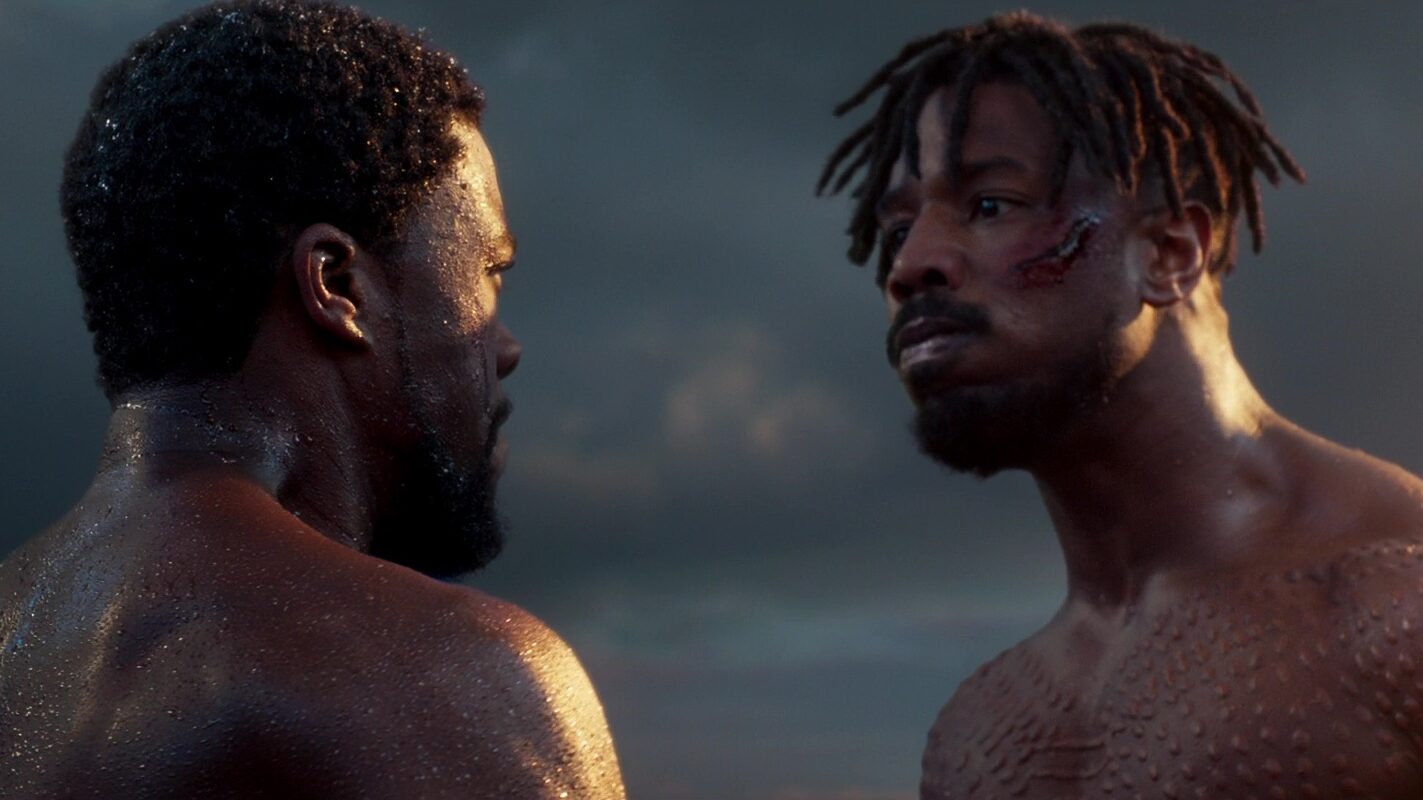
Marvel’s Black Panther film has an excellent portrayal of an anti-villain. Both T’Challa (the protagonist) and Erik Killmonger (the antagonist) have a desire to protect their people. While T’Challa protects his people by keeping them isolated from the rest of the world, Killmonger wants to enact revenge against other nations and start a violent revolution.
While the two characters both desire to do “good” for their people, they are unable to find common ground because they each believe that their own method is correct. At no point in time does either character ever give up on their desire to help their people. In fact, at the end of the movie T’Challa changes his mind about opening Wakanda to the world after being challenged by Killmonger’s reasoning, though he does it in a completely different way.
The key to remember is that your characters are all functions of a dramatic question, and ironically, it is their uniformity of desire that creates the dramatic tension in your story.
Exercise: Shared desires
Consider your protagonist’s primary drive or desire. Now consider how your antagonist could potentially share that exact same desire as your main character. They may use means to achieve those goals that would be viewed as unethical or immoral. Think about how upsetting it could be for your main character when they see that someone else shares their goal, yet acts in conflict with what they believe to be right.
“An antagonist is any character who stands in the way of the ruthlessly onrushing protagonist.”
– Lajos Egri, The Art of Dramatic Writing
The hero antagonist: a moral obstacle
An antagonist doesn’t always have to be evil. When the protagonist themselves is an anti-hero or a villain, then the antagonist could be the character with the clearest sense of right and wrong. They are antagonists simply because they are in opposition to the protagonist.
This form of relationship is common in cases where a heroically minded detective tries to capture an anti-heroic outlaw; or when a ruler is fighting to protect justice from being violated by an anti-heroic rebel. They represent moral authority.
Example: Breaking Bad (2008-2013)
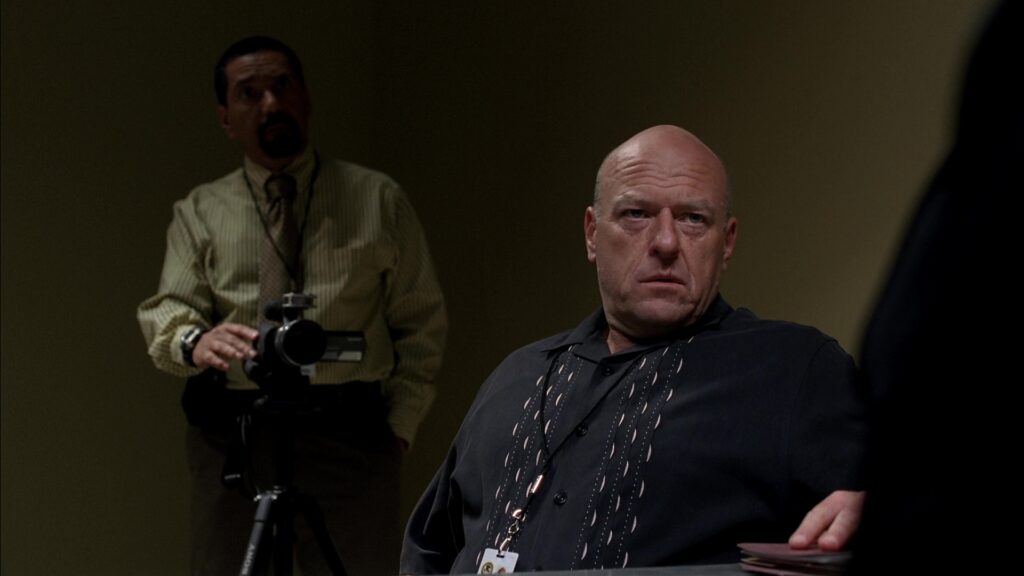
In this series, Hank Schrader is a brother-in-law of the main character, Walter White. He is a DEA Agent working diligently to stop the flow of illicit drugs into his community. Hank is doing what he thinks is right and is trying to stop Walter, who has developed a large-scale illegal operation producing and distributing illicit drugs.
Therefore, even though Hank is a good person trying to do what is right, he still represents an antagonist to Walter because he will stop at nothing to get him. This type of dynamic creates great internal conflict for audiences. While we may want to see the protagonist achieve success through overcoming past problems, we know that the “good hero antagonist” is right. Creating a strong heroic opponent is one of the best ways to create internal struggle within your protagonist about becoming darker and more troubled.
Exercise 2: The righteous opponent
In most stories, there will be a point where your protagonist has crossed over from being able to operate within a moral gray zone into a place where they are committing evil outright. One of the best ways to create that crossover is through the use of an antagonist who represents law and order, or whatever aspect of society your protagonist was avoiding. How can a “good” character push your protagonist into making terrible choices?
The internal antagonist
A character can be their own worst enemy. An internal antagonist is a force created by a character’s own personal demons (fears, flaws, etc.) that creates conflict within the story.
A musician who is incredibly talented but suffers from debilitating stage fright may find themselves unable to perform. Or a detective who possesses great powers of deduction, but suffers from bouts of paranoid delusion that drives their allies away.
Example: Black Swan (2010)
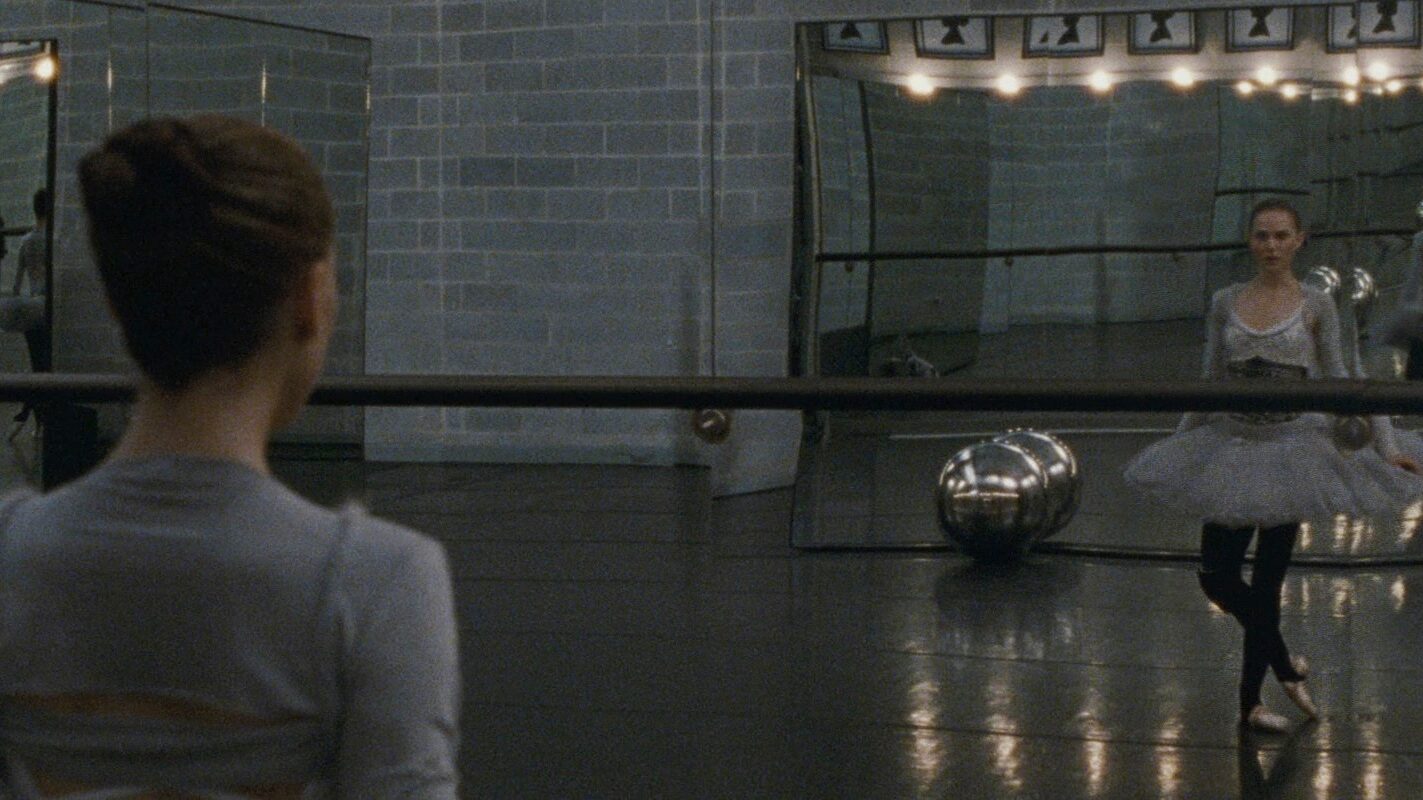
Nina Sayers is an obsessed ballerina. Her drive for perfection causes her to start seeing threats and rivals everywhere, many of which are distorted or intensified by her deteriorating mental state. They are manifestations of her fractured psyche. She experiences hallucinations, and ultimately harms herself because of her desire to achieve perfection.
Her inner turmoil creates the tension in the film. As opposed to a rival trying to sabotage her career, she is being torn apart from the inside out. When there is an internal antagonist, the struggle will feel endless. The protagonist will have no escape route or opportunity to vanquish the bad guy. To overcome an internal antagonist, the character typically goes through some form of profound or even traumatic transformation.
Exercise: The flaw as force
What is your protagonist’s greatest fear, or false belief about themselves? If that flaw was alive and working against you and your own life, what would it make you do? Write a scene where your protagonist intentionally destroys their own chance for success and acts as their own worst enemy.
Your story weapon: The argument test framework
Story is alchemy. When a character experiences pressure they will undergo transformation.
If an antagonist only uses physical means to harass or disrupt a protagonist, then the story will likely grow dull. Testing the underlying argument between your protagonist and main antagonist will help create a richer and elevated experience for your audience.
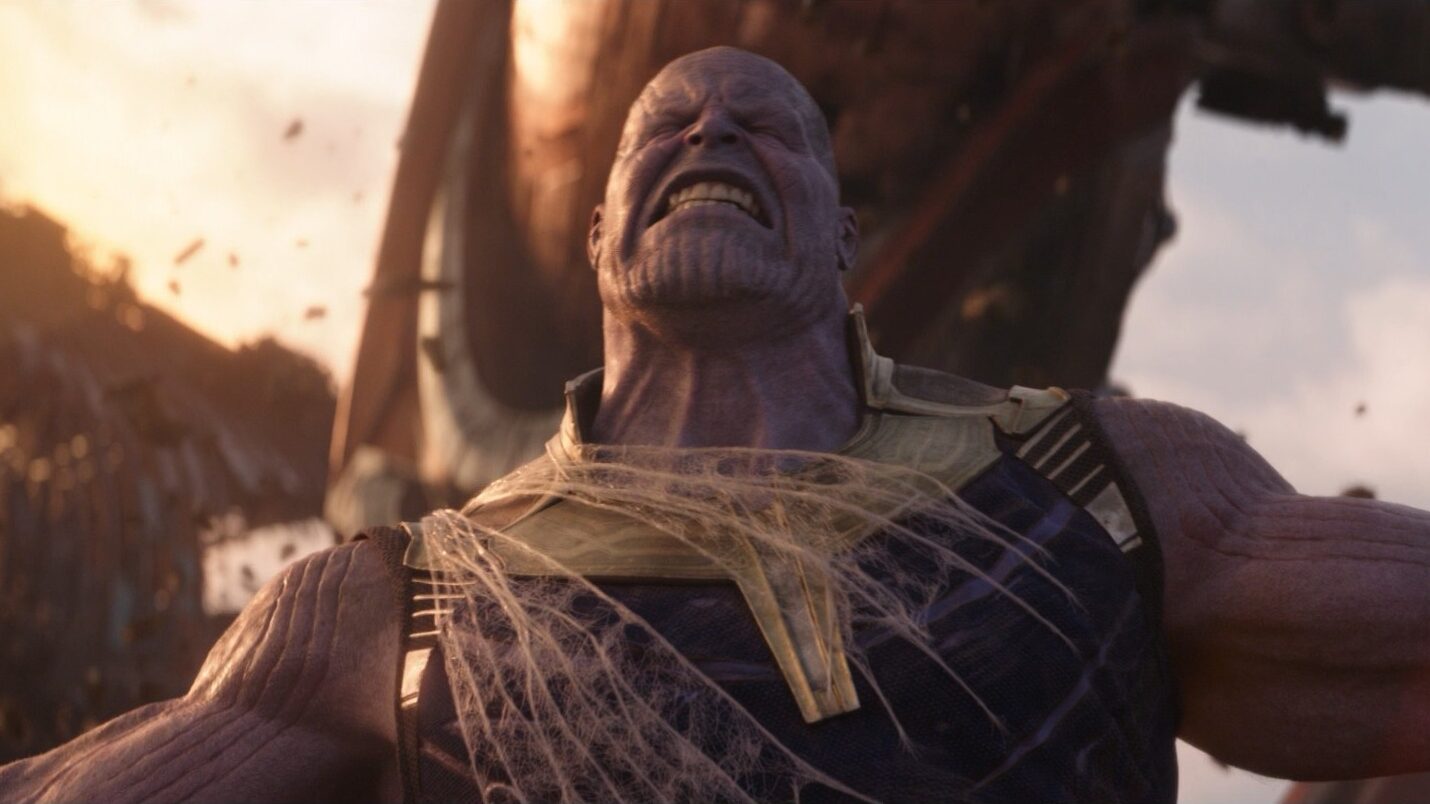
To understand how this process works, let’s look at its application in the context of a large-scale film confrontation: The Avengers vs. Thanos in Marvel’s Infinity saga.
Step 1: Identify the powerful desire
Consider how you can define the one thing your protagonist wants more than anything else in their life. Create a situation where your antagonist wants the very same thing as your protagonist; however, use a completely different approach or methodology (dark or otherwise) to achieve it. When the protagonist and antagonist have the same powerful desire, it creates the strongest possible conflict.
Both the Avengers and Thanos have a strong desire to protect and preserve the universe. In many cases, this shared motivation can be the source of the greatest conflict.
Step 2: Expose the false belief
A worthy antagonist usually does not simply block their opponent; they attack the specific false belief they hold which then leads them to a dark night of the soul and transformation. Consider designing your antagonist’s strategy to directly challenge and reveal to the audience/protagonist this deep-seated psychological weakness.
Initially, the Avengers believe they can protect the universe by sacrificing nothing permanent (“We don’t trade lives”), whereas Thanos has total confidence that he must sacrifice countless lives to save the universe. Through his actions, Thanos reveals to the heroes their inability to give up on their hopes.
Step 3: Create the dilemma
At the moment of crisis, the antagonist forces the protagonist to confront the impossibility of getting what they want. The protagonist realizes that they have no other option but to completely reject the false belief that led them to this place of despair.
Ultimately, in the conclusion of the Infinity story arc, Tony Stark is faced with a difficult decision. He recognizes that they are unable to protect the universe while holding onto the possibility that everyone can make it back home safely. If they want to stop Thanos, he has to relinquish his own personal desires for a comfortable life with his wife and daughter and trade his life to allow for the protection of the universe.
Regardless of whether you decide to explore an anti-villain that also wants what the protagonist wants, a hero antagonist that acts as a moral barrier, or an internal antagonist within the mind of your main character, the primary objective remains the same: place extreme pressure on your protagonist through your antagonists. By allowing room for the magic of your story to emerge, you can use this framework to guide you as you build your own antagonist examples.
Powerful stories are shaped by the pressure your characters face and the transformations that pressure creates. If you’re ready to build richer protagonists, more compelling antagonists, and stories driven by meaningful conflict, join one of my next workshops: The 90-Day Novel, The 90-Day Memoir, Story Day.