


Stories are not always about morally spotless heroes, nor should they be. Truly compelling protagonists have flaws that affect their choices and behaviors, and can act as catalysts for change. Sometimes those flaws run deep, however, and a character’s actions and the choices they make can bleed into villain territory. If this sounds like your protagonist, you’ve got yourself an antihero.
Antiheroes usually don’t value conventional moral codes, and lack the heroic qualities we’re used to seeing. While their goals align with the “greater good” (even if it may take some time for them to acknowledge this truth), their motivations and methods for getting there blur the line between right and wrong.
In this article, I’ll show you what makes an antihero tick, and give you a Story Weapon to bring them to life in your own story.
An antihero is a deeply flawed protagonist who pursues a greater good through morally questionable methods, guided by a personal (often warped) code rather than conventional heroism. What sets them apart from villains is intention and consequence. Their choices drive the story through meaningful moral conflict.
Definition of an antihero
Imperfection is a requirement.
An antihero is a protagonist who has ultimately good intentions but acts according to their own version of a moral code.
Seriously flawed in ways a traditional hero would never be, antiheroes are no golden boys (or girls). They break laws, social conventions, and probably bones in an ends-justify-the-means sort of way. It is often by understanding their backstory and the circumstances that led them to be the way they are, that invites the audience to care and become invested in them.
Antihero vs Villain
What makes antiheroes different from villains? Intention is key here. Despite questionable methods, antiheroes strive for a net good. A positive outcome is the goal, even if it means breaking the rules. The difference lies not in what they do, but why they do it and where they draw the line.
Take a man who steals to feed his family, for example. We wouldn’t consider him “evil” for breaking the law, because his intentions are to help his loved ones.
Or, taking it to an extreme, you might have a character like Dexter Morgan (from the TV series Dexter) — a sociopath who uses his serial killer skills to murder criminals slipping through the justice system. He follows his own set of rules (most of the time), giving a sense of purpose to his killings but leaving room for moral conflict when innocents become obstacles.

Antiheroes often aim to benefit others or society as a whole, and their flaws aren’t necessarily malicious. They can be arrogant, conflicted, or rough around the edges. They will make bad decisions or weighty mistakes, but they don’t act out of a desire for evil.
Examples of antiheroes
Let’s look at four examples of antiheroes to demonstrate strong characters of this type.
Megamind
Megamind is a good example of an antihero. He’s even painted as the villain in the first half of the movie. He has a tragic backstory — he’s an orphaned alien raised in prison, relentlessly bullied and isolated, while second orphaned alien Metro Man (a parody of Superman) is universally adored. This injustice spurs a rivalry with Metro Man.
Megamind’s crimes are mostly robbery and vandalism, not hurting people in general. He certainly has flaws; he breaks laws, kidnaps Roxanne, and treats his sidekick unfairly. But in the end, he uses his powers and innovation to stop the real villain, repair the city, and make amends with Roxanne. He’s a good example of lashing out, which is something your character will likely do at some point. Consider where their pain lies and how they can take it out on the world around them.
Fleabag
Awkward, messy, promiscuous, and untethered, Fleabag is anything but a traditional hero. Her affair with her best friend’s boyfriend indirectly leads to that friend’s death. On all accounts, we should dislike her. But her wit and charm, paired with how she keeps trying to connect with her awful family, make us relate to her.
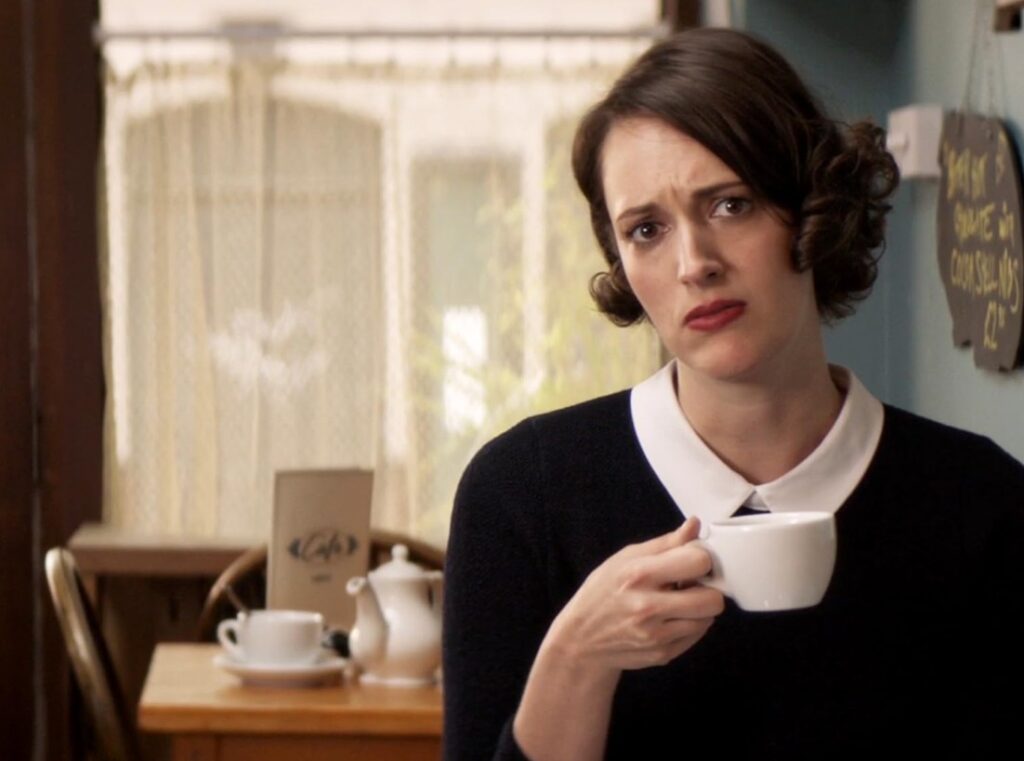
This example shows us that your antihero doesn’t even have to be mean or abrasive; they can simply be morally grey and off-putting, gradually becoming more endearing as we learn about their true values through their actions. Showing your antihero’s flaws at the beginning of your story can make for a more satisfying, engaging character arc.
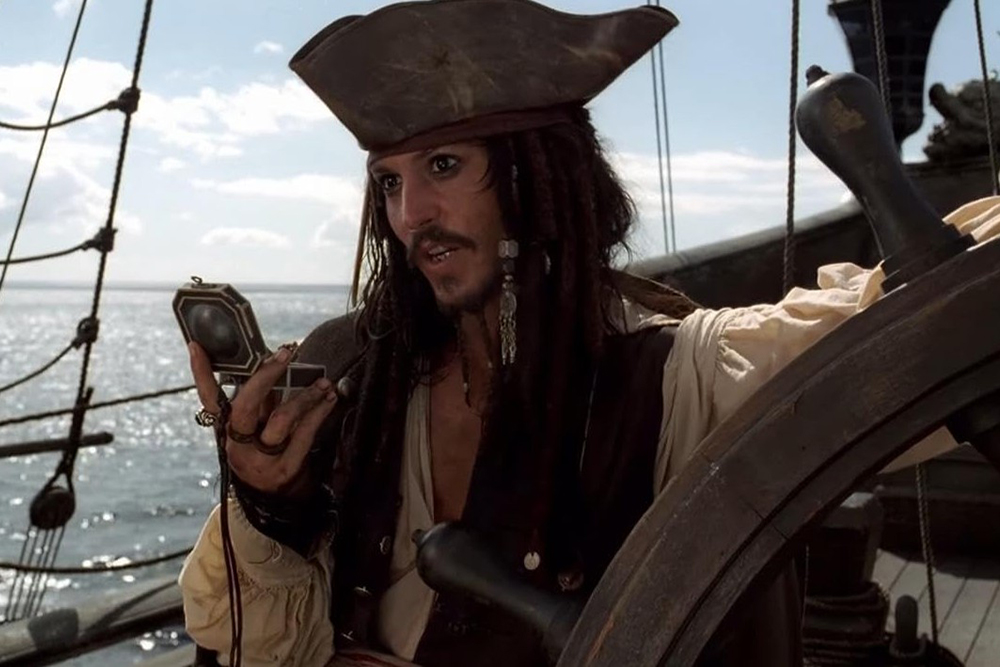
Captain Jack Sparrow in Pirates of the Caribbean
Jack Sparrow shows us how lovable antiheroes can be. His madness, drunkenness, and penchant for trickery make him silly and unpredictable. He rescues a wealthy woman even though it gets him arrested, and he makes several decisions demonstrating his willingness to help those in need. This combination makes him charming, and the audience roots for him even in his misdeeds. We need to cheer on the antihero for them to be effective; they go against the grain of a traditional hero but we shouldn’t hate them. Bestowing them with charming qualities can go far in making your character memorable.
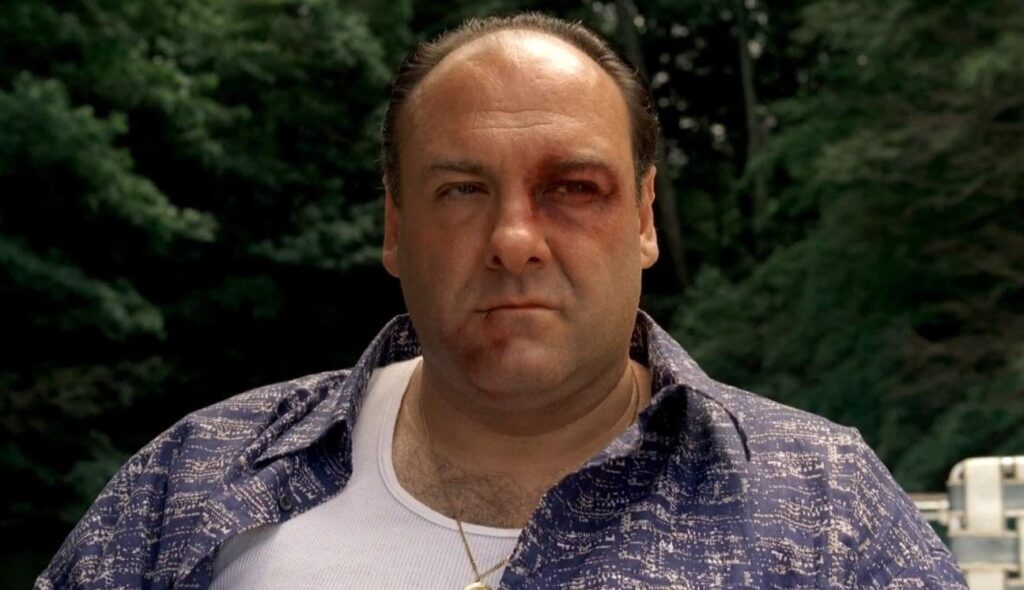
Tony Soprano from The Sopranos
Tony is self-aware enough to recognize his flaws and the damage he causes. There are several moments throughout the series where he has the opportunity to change through his therapy sessions, family interactions, and moments of guilt. And yet, Tony chooses power and self-preservation over moral growth as he moves up the mafia ranks. His loyalty to his own comfort and authority outweighs any desire to become better. Tony isn’t trying to destroy the world, but he also refuses to truly confront himself, making his rejection of redemption an active choice rather than a tragic impossibility.
Your story weapon: Tips for writing antiheroes
As you write your antihero, consider the lines they will not cross. Build the moral compass behind their actions to form their personal code, even if it’s warped, inconsistent, or only makes sense to them. This internal logic separates your antihero from a villain. They have to make sense within their own rules.
When they fail or make mistakes, make sure it costs them something tangible. Let their selfishness, cruelty, or reckless behavior lead to dire consequences. Antiheroes shouldn’t feel invincible or cartoonish.
Your readers don’t need to agree with the antihero, but they do need to understand the motivations that are driving them. Give us their backstory. Help us to understand the particular set of circumstances that led them to this place. Show their pride, fear, grief, resentment, a driving need for control. Embrace the conflict that comes when their values clash with their desires and they are pushed to make difficult choices.
Some antiheroes change to become more heroic, like Megamind learning to care for others beyond himself. Others reject the good path, doubling down on their flaws like Tony Soprano. Whichever path your antihero chooses, let their decisions push the story forward. The more consistently their flawed sense of morality collides with the world around them, the more compelling and unforgettable your antihero will become.
Curious how far your protagonist can fall and still be worth following? Join my next 90-Day Novel workshop and explore the power of the antihero.