
It is human to have blind spots, and often convenient to be in denial about certain aspects of ourselves. This is natural, or, at least, common. Humans are not logical, and stories both great and wild can emerge from this. By exploring the nature of our protagonist’s dilemma, our story’s structure reveals itself. This allows us to track specifically how a character gets from here to there.
How is this done? How can we know what we don’t know?
Structure is Centered on a Story’s Theme
In working with the structure questions, we have an opportunity to explore these blind spots. We can see how they affect our protagonist in relation to other characters. In doing so, we have a chance to widen our perspective on reality or, at least, on the nature of the dilemma at the heart of our story. When our protagonist understands their dilemma — not in an intellectual sense, but through circumstance — the blind spots begin to vanish. There is no longer a need to protect themselves. As a matter of fact, they may recognize that their blind spots have contributed to their current situation.
In story, the paradigm of winning and losing is often shattered because ultimately, there is only cause and effect, action and consequence. In fact, the single greatest blind spot is our tendency to take something personally. It is nearly impossible to separate the behavior from the person. By exploring this division, however, you will go a long way to building a more dynamic story. Look at the following examples to see how the protagonist’s journey led them to see their situation from a wider perspective.
MOVIE EXAMPLES:
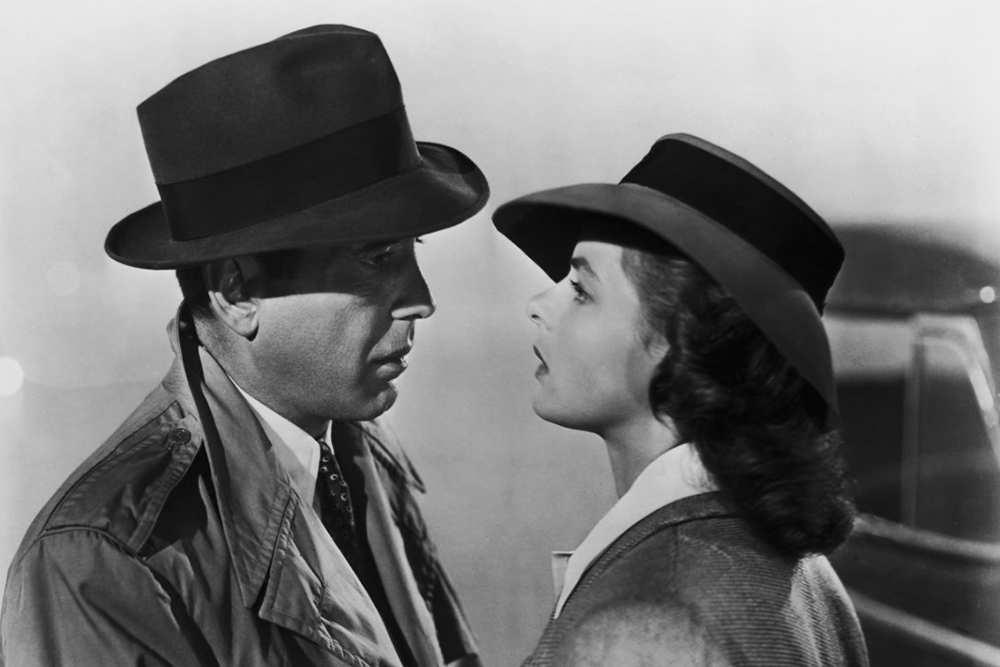
- Casablanca: Rick believes Ilsa snubbed him, thus destroying his belief in love. Through the story he understands that their love was real, that she thought her husband had died, and that circumstances beyond their control intervened to drive them apart. By the end of the story, he is open to love again.
- Raging Bull: Jake LaMotta believes that the world is out to get him. The boxing world won’t give him a shot at the title. He fears his wife is cheating on him. He takes everything personally. By the end of the story, he begins to understand that the world does not revolve around him. His wife loved him, but he drove her away with his suspicion. The boxing world was not out to target him personally, it was merely greed at work.
Just for fun, let’s be curious about the blind spots in our characters — not so that we can criticize them, or get anxious about our own fragile grasp on reality, but so that we can be excited about the true nature of the dilemma resolved as a result of our sincere inquiry.
Learn more about marrying the wildness of your imagination to the rigor of structure in The 90-Day Novel, The 90-Day Memoir, or The 90-Day Screenplay workshops.