

Without flaws, characters may be admirable, but they don’t feel real. Humans are complex and contradictory. We’re all naturally flawed in some way, so it makes sense that characters in stories are too.
In storytelling, a well-crafted flaw not only makes a character feel more lifelike, it can actively shape the plot, strain relationships between characters to build tension, and create opportunities for growth or failure.
In short, flaws are not weaknesses in writing, but engines that help drive your story forward.
In this article, I will define what a character flaw is, explore examples from books and film, and offer you a Story Weapon that will help you to write more dimensional characters.
Character flaws make stories feel real and dynamic by creating internal obstacles that drive conflict, shape relationships, and fuel growth or downfall. When flaws are tied to theme, backstory, and real consequences, they become powerful engines for transformation rather than mere imperfections.
What is a character flaw?
A character flaw is a personal weakness, limitation, or negative trait that interferes with a character’s ability to achieve their goals or make sound decisions.
These flaws may be emotional, moral, or psychological—such as pride, fear, insecurity, impulsiveness, or mistrust—and often cause internal conflict or lead to poor choices.
- Tony Stark’s arrogance leads him to make reckless decisions and underestimate the consequences in Iron Man.
- The Cowardly Lion’s fear prevents him from seeing his own bravery until he confronts it in The Wizard of Oz.
- Buddy the Elf’s naivety in believing everyone is kind, honest, and well-intentioned leaves him in awkward situations which then cues much of the humor in Elf.
Rather than simply being defects, character flaws help make characters feel realistic and relatable, and they frequently drive growth and change by challenging the character to confront and overcome their own shortcomings.
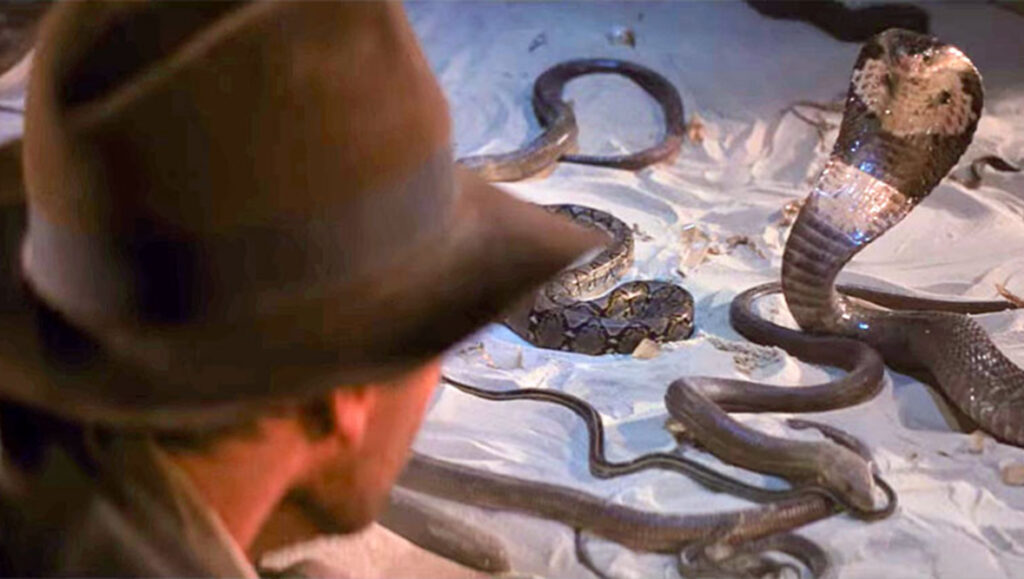
Key Aspects of Character Flaws
- Internal obstacle: the flaw is something within the character, not an external skill they can practice
- Major flaws help drive the narrative: they create obstacles and lead to opportunities for character growth and transformation
- Relatability: We all have flaws, too. Seeing characters exhibit real life flaws and navigate their everyday lives with them reflects something about ourselves and those around us that we can connect to.
- They can stem from wounds: a flaw might originate from past experiences, such as a character becoming a workaholic due to a distant father or mother.
Let go of perfection
When you’re developing the profiles or initial sketches of your characters, it can be very easy to fall in love with their innocence. However, not everyone is a black or white swan. This is especially important if you want to make your stories more realistic to your readers.
Having flaws does not make your character unlovable, it makes them relatable. Someone who overcomes a temptation or weakness of character is far more admirable and encouraging to your readers than someone who can do no wrong.
Disabilities ≠ flaws
It should be noted that disabilities are not character flaws. Disabilities are not moral failings and should never be treated as something a character must “overcome” to be valuable.
When portrayed thoughtfully, disabilities can shape a character’s experiences, challenges, and perspectives without defining them negatively. Separating disability from flaw can allow for more respectful, accurate storytelling and affirms that strength, agency, and complexity exist in many forms.
4 Types of Character Flaws
Not all flaws carry the same weight. Let’s look at some different types to understand them better:
- Minor flaws: These are small weaknesses or quirks that add personality to your characters. While these negative traits contribute to how your character interacts with the world, they do not normally have a huge impact on the story. For example: being messy, immature, socially awkward.
- Major flaws: These traits affect a character’s choices and relationships significantly. For example, jealousy or insecurity.
- Fatal flaws: It can lead to downfall and often appears in tragedies. For example, hubris or obsession.
- Psychological flaws: These flaws are deeply rooted in a character’s mindset and are often shaped by past experiences, fears, or unmet needs. They shape how characters interpret the world around them, and how they respond to conflict.

How to choose the right flaw for your character?
There are numerous flaws you can choose from, and in the next section I’ll list 20 examples you can take inspiration from. However, not all of them will be suitable for your characters or plot. So which ones should you pick and when?
Match the flaws to your themes
Your story’s theme explores an idea or a question. Validation, freedom, purpose, hope, ambition, — whatever it may be, your characters’ flaws can be used to reinforce that theme.
In Things Fall Apart by Chinua Achebe, Okonkwo’s fear of appearing weak as a man plays into the novel’s theme of how rigidly holding onto old traditions or customs can turn self-destructive.
Connect flaws to backstory
Character flaws feel most believable when there is an underlying cause rather than existing without explanation. Our upbringing, trauma, successes, or failures are all a part of what shapes our habits and fears, and the same is true of your characters. When a flaw grows out of a character’s experiences, it feels more meaningful instead of random.
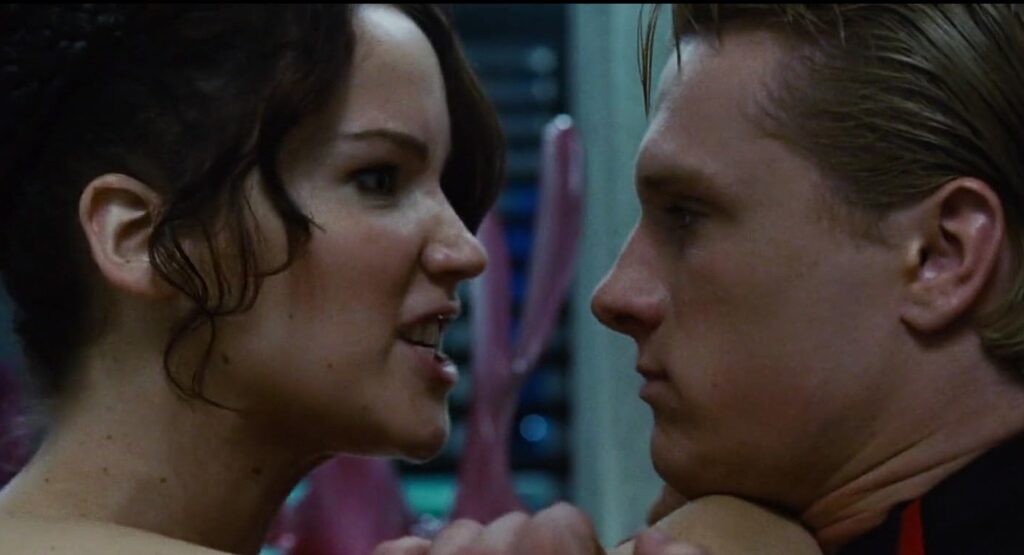
In The Hunger Games by Suzanne Collins, Katniss Everdeen’s emotional guardedness and mistrust stem directly from the harsh and oppressed life she’s born into. After her father’s death, she has to take on the role of provider for her family. Learning that vulnerability could lead to further loss or punishment, Katniss developed emotional distance as a survival mechanism.
Allow the flaws to create consequences
A character’s flaws should actively affect the story, not only exist as surface traits. When flaws influence decisions, they naturally lead to consequences. Your characters will miss chances, strain their relationships, or escalate conflict. These outcomes give weight to the flaw and show your reader that actions have meaning. Without consequences, a flaw is only decorative. It turns into hot air rather than being functional.
For example, an impulsive character might consistently rush into action without a plan, saving the day once or twice but eventually causing serious harm. Perhaps they end up endangering a friend or revealing secret information to an enemy.
A character with trust issues might refuse help and survive on their own for a time, until they just can’t any longer.
Consequences don’t always have to be catastrophic; they can be subtle, emotional, or long-term such as lingering guilt, regret, or lost trust.
Most importantly, consequences can build toward moments of transformation or tragedy. A character might learn from their mistakes and change, gradually reshaping the flaw into a strength, or they may double down and suffer increasingly severe outcomes. Either path deepens the narrative.
20 Character Flaws for Inspiration
Minor
- Impatience – Always rushing into things or wanting immediate results. Example: Tony Stark in Iron Man
- Over Talkative – Talks way too much and often says the wrong thing at the wrong time. Example: Michael Scott in The Office
- Messy – Has a chaotic or disorganized approach to life. Example: Jack Sparrow in Pirates of the Caribbean
- Forgetfulness – Easily forgets things, leading to neglected responsibilities. Example: Homer Simpson in The Simpsons
- Clumsy – Awkward; may cause minor mishaps. Example: Po in Kung Fu Panda
Major
- Jealousy – Feels threatened by the success of others. Example: Iago in Othello
- Stubbornness – Refuses to bend, listen, or change. Example: Creon in Antigone
- Pride – Overestimates their own importance. Example: Mr Darcy in Pride and Prejudice
- Overconfident – Underestimates risks/challenges. Example: Victor Frankenstein from Frankenstein
- Anger – Uncontrolled emotions that lead to violence or deep regret. Example: Achilles in The Iliad
Fatal
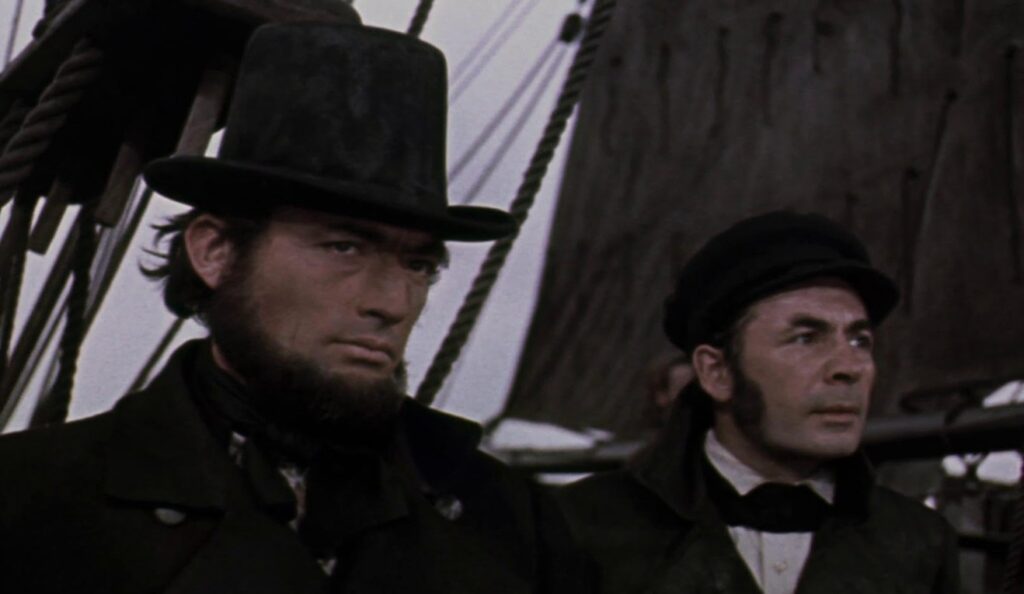
- Obsession – Unable to let go of a desire or goal (even when it’s destructive). Example: Captain Ahab in Moby Dick
- Hubris – Too much pride that puts a blind on their eyes and leads to danger. Example: Macbeth in the play bearing his name.
- Fear of failure – Missed opportunities or a disaster occurring due to avoidance of risk. Example: Peter Parker in Spider Man
- Greed – An over-zealous desire for more than what one has. Example: King Midas in Greek mythology
- Paranoia – extreme mistrust and fear that distorts one’s thinking. Example: Raskolnikov in Crime and Punishment
Psychological
- Insecurity – Constantly doubt themselves to their own detriment. Example: Piggy in Lord of the Flies
- Cynicism – Expects the worst in others. Example: Tyrion Lannister in Game of Thrones
- Lack of empathy – Struggles to care about the feelings of others. Example: Sheldon Cooper in The Big Bang Theory
- Anxiety – Worries more than the situation calls for. Example: Charlie in The Perks of Being a Wallflower
- Perfectionism – accepting nothing less than perfection, often paired with obsession. Example: Dorian Gray in The Picture of Dorian Gray
Your story weapon: How to write imperfect characters
Flaws make a character feel more human. But to truly express it, you need to show the context: why it exists and how it shaped the person.
When developing a flaw, ask yourself why the character behaves this way and what moments in their past may have taught them this response. The clearer the connection, the more realistic and compelling the character will feel.
It’s crucial not to define someone by a single flaw. Show strengths alongside the weaknesses to make the character more likeable.
It’s also never a good idea to overload characters with too many negative traits.
Allow the characters to recognize and own their flaws. These small moments of self-awareness slowly added up. Real life is messy and your readers will enjoy relating to flawed characters much more than they would a spotless angel who can never falter, or a complete degenerate with no redeeming qualities.
The most memorable characters are not perfect. So when you create your next character, particularly a protagonist, if you want to dramatize a compelling transformation, lean into their flaws.
Learn how to shape imperfections into unforgettable story arcs in one of my next workshops: The 90-Day Novel, The 90-Day Memoir, Story Day