



A flat character is one of the simplest yet most useful tools in storytelling. Unlike complex, evolving protagonists, flat characters are defined by a limited set of traits and they tend to remain consistent throughout the narrative.
At some point in your writing career, someone might have told you that if each of your characters isn’t undergoing a Herculean metamorphosis that changes their entire worldview, then it’s considered “bad” storytelling. But the truth is that if you gave every single figure in your story the round character treatment, you would be left with a major traffic jam. Readers wouldn’t know who to focus on, and would close the book in frustration. Enter: the flat character. Often dismissed as mere cookie-cutter entities, these one-dimensional characters are actually quite effective when used correctly.
While they may not be very detailed or undergo major internal change, they serve an important purpose: reinforcing the story’s themes, highlighting the growth of dynamic characters, or providing stability within the world of the story. When used effectively, flat characters can sharpen the focus of a narrative without distracting from the central arc.
In this article, I’ll describe what a flat character is, the role they play with some examples, and lastly, I’ll give you a Story Weapon to show how these characters can fit in your narrative.
Flat characters are consistent, one-dimensional tools that provide stability and support the narrative without distracting from the main plot. By serving specific roles like providing exposition or highlighting a protagonist’s growth, they prevent “character traffic jams” and keep the story’s focus where it belongs.
What is a flat character?
A flat or one-dimensional character is someone in a story who lacks depth and usually does not change much throughout a story. In fact, their purpose is to remain consistent.
These characters typically take the form of a classic stereotype. Think a rebellious teen, the strict librarian, a greedy businessman, or the stormtroopers in the early Star Wars films.
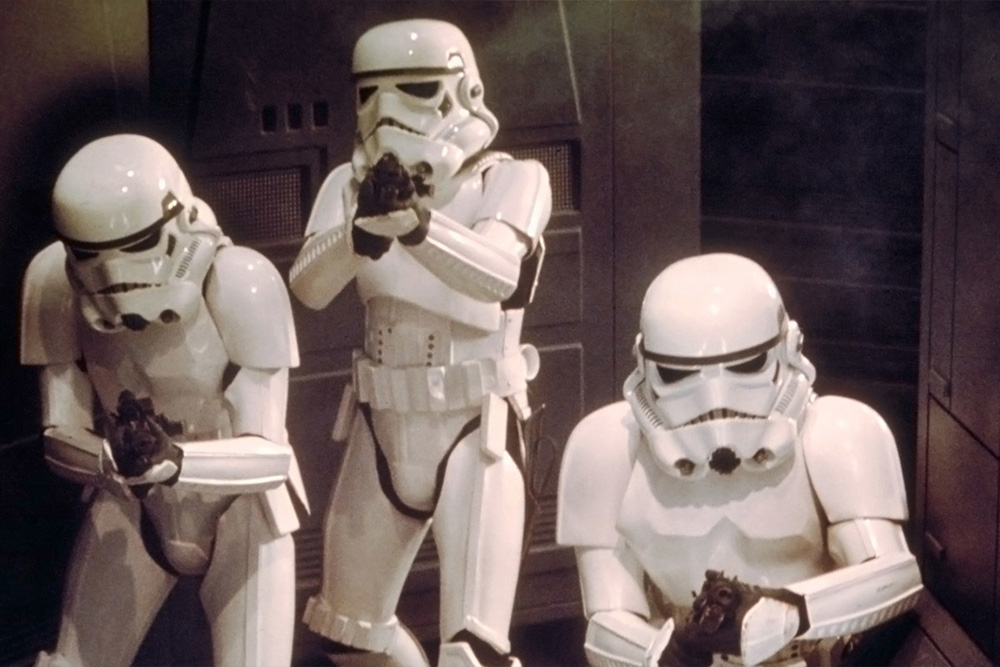
They are stock characters. There are no layers to pull back on these onions.A good pair of examples are Crabbe and Goyle from the Harry Potter series. They are Draco Malfoy’s loyal, dull-witted henchmen who help taunt and torment the Golden Trio. The pair isn’t given a complex backstory. Their repetitive behavior makes them predictable, but it’s their predictability that makes them memorable.

The role of flat characters
Flat characters are used to fill a specific role within a story. While your audience yearns for main characters with depth and dynamic qualities, they can immediately recognize and therefore connect with one-dimensional side characters without needing to dive deeper into their backstories.
When writing a one-dimensional character, they should meet at least one of these criteria:
- Pushing the story forward by sharing information or being a victim of the antagonist
- Adding depth to the world you’re creating. (The rude grocery store attendant, the old lady crossing the street)
- Highlighting traits of the main character, further showing the growth they are experiencing while the flat character remains the same. (That one guy at the fraternity reunion that never “grew up”)
- Acting as a sidekick or an aloof mentor, supporting the main character in some way (Karen Smith in Mean Girls, Miss Maudie in To Kill a Mockingbird)

When used properly, one dimensional characters can improve your overall story. However, if overused, your story will fall, well, flat.
Flat characters vs Static characters
Flat characters are defined by their lack of depth, while static characters are defined by their lack of development, or inability to undergo significant change.
Flat characters are usually also static, but not all static characters are flat.
Flat character examples
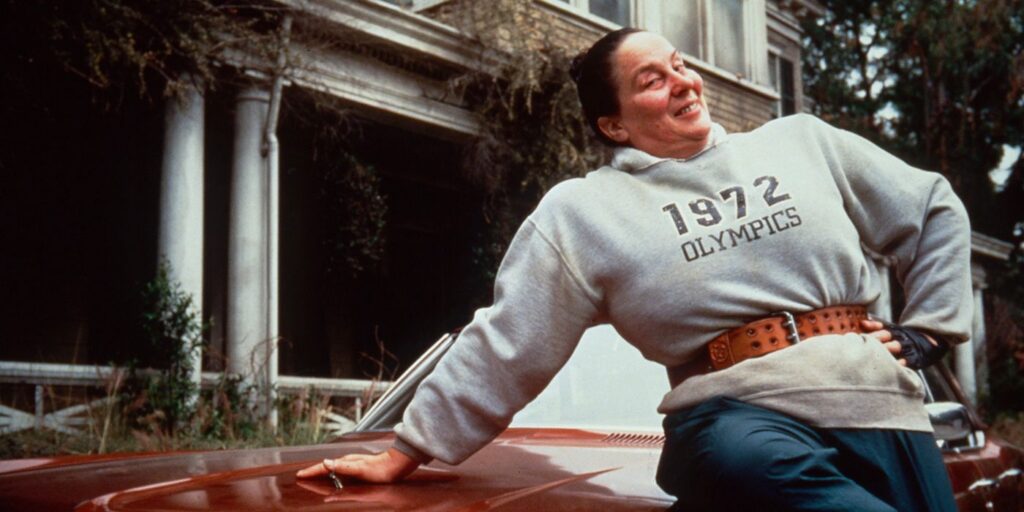
Miss Trunchbull from Matilda
Miss Trunchbull is the institutional terror. She’s a flat character because she’s 100% sure of who she is — an Olympic hammer thrower who rules the school with an iron fist. While we don’t know how she’s going to enact her evil, you know that she is. And that’s her only role throughout the story.
“M” from the James Bond franchise
Let’s also expound on M being the quintessential flat character. In all his films, Bond primarily answers to his boss whom we only know to be “M.” In every movie, the only thing that remains consistent is M’s role. They brief the spy on the current status quo, which would lead to an explanation of his next mission before sending him out to the field. M is the symbol of bureaucracy, and M rarely undergoes personal growth or change. In the narrative, M’s role is to establish stakes and deliver exposition.
Confusion with “flat-arc characters”
There’s another literary term that might cause some confusion between these two types: the “flat-arc character.” This actually refers to static characters instead of flat characters. The flatness here is not assigned to the characters themselves, but to the lack of transformation they undergo in their character arc.
Static characters can move along a flat character arc, remaining steadfast in their ways and beliefs, and still be round characters with complex feelings and goals. They are more than a stereotype, and would usually be one of the main characters who move the story along.
Flat-arc character examples
James Bond
Take James Bond, the unflappable spy. He’s suave with the ladies, intelligent in his missions, and prepared in any and all situations. But where we can really see his emotional complexity is when Dame Judy Dench’s M (also a very effective flat character) dies in Skyfall. He breaks the stoic mask and kisses her forehead while he cradles her dead body. But after that he’s the ‘same’ Bond that we know and love, only with a little extra baggage.
Cinderella
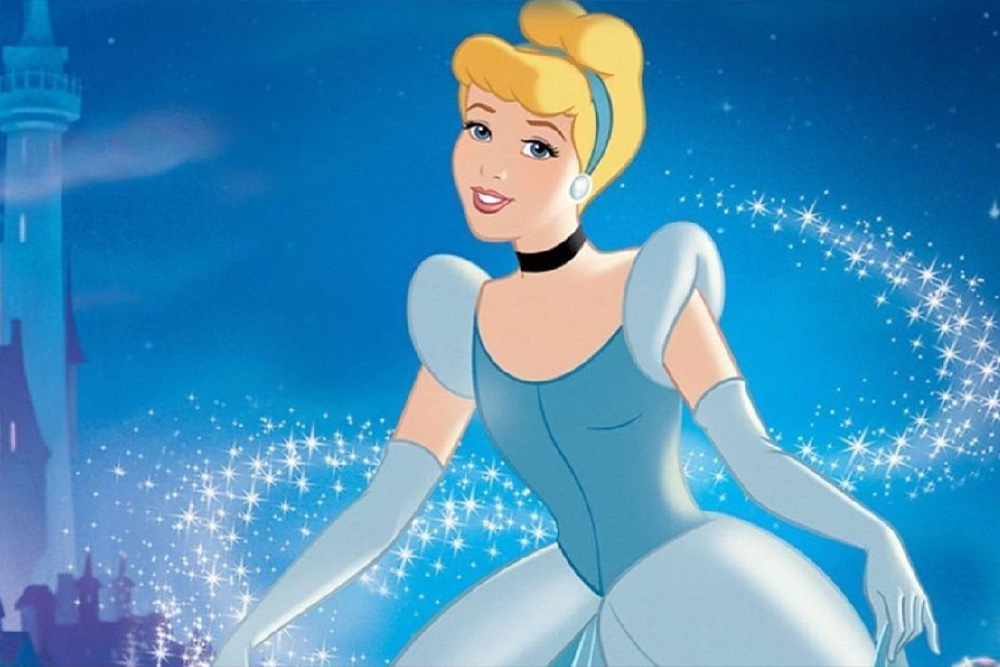
Another static protagonist example is Cinderella—the perfect heroine in a timeless story. Many people consider her character to be flat, but that’s mainly due to her flat arc rather than a lack of depth. She’s gentle and resilient, despite everything thrown at her by the plot. Even when she had a magical being at her beck and call, all she asked for was a chance to attend a ball. When she’s married to the prince, Cinderella ends her story with the same strength of character she possessed when the tale began.
Sometimes, the story is so simple
Fables and simpler children’s stories are filled with flat characters. In a story as simple and as short as these, you don’t have time for arcs that disturb the equilibrium of any character. You write about archetypes. These are characters that exist as living adjectives.A great example is the story of The Red Hen. She is the icon of a great work ethic. She doesn’t complain, she gets things done even when her companions have no interest in helping her. She’s consistent throughout the story, as are her “do-nothing” friends. They’re not just lazy. Rather, they have their own memorable quirks like the Cat’s sleepy nature, the Puppy’s energetic playing, and the Horse’s engrossment with “his shows.”
Your story weapon: Flat characters keep stories going
A narrative needs minor characters to help further the protagonists along their journey. These are characters who exist to provide a specific hurdle or a much-needed boost.
If it’s the character’s job to hold a door, get punched in a bar, or serve some breakfast at a cheap diner, keep them flat. We don’t need to know their secret dream of starring in their own Broadway show. If every character gets a fleshed out background, your plot will go nowhere.
Alternatively, you can make them either a foil, like Emily Charlton from The Devil Wears Prada, or comic relief like Karen Smith from Mean Girls. Both women function as memorable minor characters that both mirror the protagonists and give their stories some sparkle.
Where they don’t fit are in the places where your movers and shakers should be. If a protagonist is a flat character, they’re just like a tourist in their own story: someone who doesn’t belong. Flat protagonists make the story feel shallow and boring. Your main characters need to be deeper than a puddle in order for your whole story to work.
Having a flat character isn’t the end of the world. Not every extra needs a secret yearning or a three-year sabbatical to find a lost artifact. Rather, they are cornerstones to a good story; significant constants in worlds of constantly moving parts. If you’re struggling characterizing a character, maybe try to make them less complicated. Give them one good trait or a simple goal and hit the ground running.
In some cases, the choice to make a character flat is the most well-rounded choice you can make for your story.
When your next flat character is ready to push your narrative forward make sure you keep things tidy with my free guide to outline your story.
FREE DOWNLOAD—OUTLINE YOUR STORY! Are you struggling with your outline and looking for support? My FREE GUIDE will lead you through the process of marrying the wildness of your imagination to the rigor of story structure to unlock your story within.