
When you think of your favorite movies or books, what’s the first thing you think of? Is it the setting, the twist at the end, or the way the story made you feel? More often than not, it’s the characters — their wants, flaws, and choices that carry you from the first scene to the last.
It’s hard to think about To Kill a Mockingbird without thinking about Scout Finch. Through her perspective, we’re drawn into a story about justice, innocence, and moral courage as she witnesses her father, Atticus, stand against the prejudices of their town. Scout isn’t just observing events; her growth and understanding shape how we experience the story’s deeper meaning.
That’s the role of a protagonist. More than simply being the main character, the protagonist is the lens through which a story’s theme is explored, giving the narrative momentum and connecting to your readers emotionally. In this article, I will look at different types of protagonists, present you with some examples, and give you a Story Weapon to help you create an unforgettable lead with a dynamic and compelling story arc.
A protagonist is the central character through whom a story’s conflicts, themes, and emotional journey are explored, whether they are heroic, flawed, or even villainous. By grounding the narrative in the protagonist’s desires, choices, and transformation, writers create a powerful lens that gives the story momentum and meaning.
The protagonist defined
A protagonist is a character in the story who is involved in or affected by the majority of the conflicts throughout the narrative. They are the eyes of the audience, and tend to be the main character (though not always), and the one who experiences the biggest change from the beginning to the end.
This doesn’t necessarily make them “the hero” as characters like Madame Bovary or Walter White can attest. The fact that they are protagonists simply places them at the center of the story. Whether they are a positive or negative force, they typically gain the sympathy and support of the reader or audience in some way.
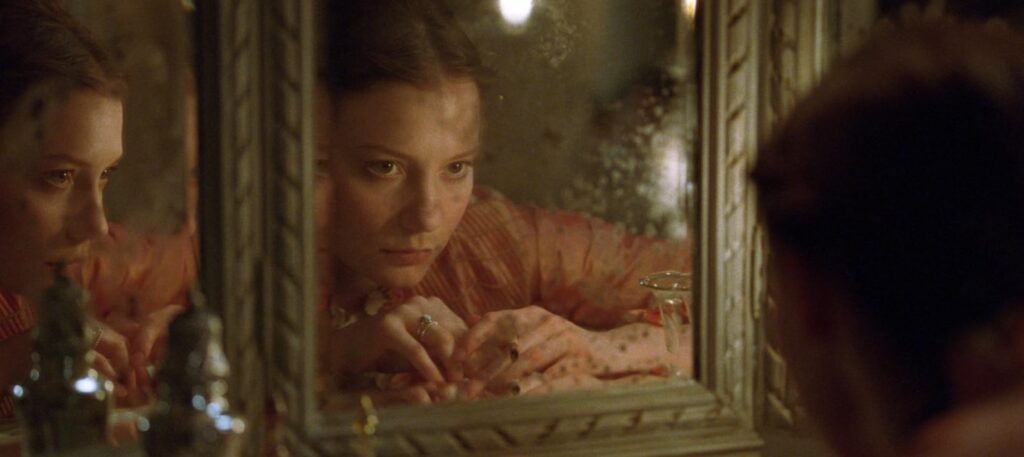
Protagonists are directly opposed by any antagonists throughout the story, big or small. That opposition plays out the central conflicts, dilemma, and themes of your story.
“Your protagonist is your reader’s portal into the story. The more observant he or she can be, the more vivid will be the world you are creating. They don’t have to be super-educated, they just have to be mentally active. Keep them looking, thinking, wondering, remembering.”
– Janet Fitch
Different types of protagonists
Protagonists can appear in multiple forms. When identifying the protagonist in the story, you are looking for the one who drives the narrative. This doesn’t always make them the person with the most “screen time,” especially in stories with multiple subplots, like Wes Anderson’s film, The French Dispatch.
One of my favorite films is Ordinary People, written by Alvin Sargant and directed by Robert Redford. While Timothy Hutton’s character has the most screen time, the protagonist is arguably Donald Sutherland’s character as he is actually the one who is driving the story, and has the most profound change by the end of the movie.
Here are some various types of protagonists.
The hero
The hero is your classic main character. They are the brave individuals who take conflict head on. The whole story ultimately relies on and points back to them. (James Bond, Beowulf, Jane Eyre, etc.)
The anti-hero
These are protagonists who are doing the right things, but sometimes for the wrong reasons. Or they are fighting the right battles but doing them in an unconventional way. They don’t have the same unwavering courage and determination of a hero but despite their flaws the audience still feels a connection and even sympathy toward these characters because they have a code that they live by. They are driven by the desire to achieve a good, even if their methods are flawed, and sometimes criminal.
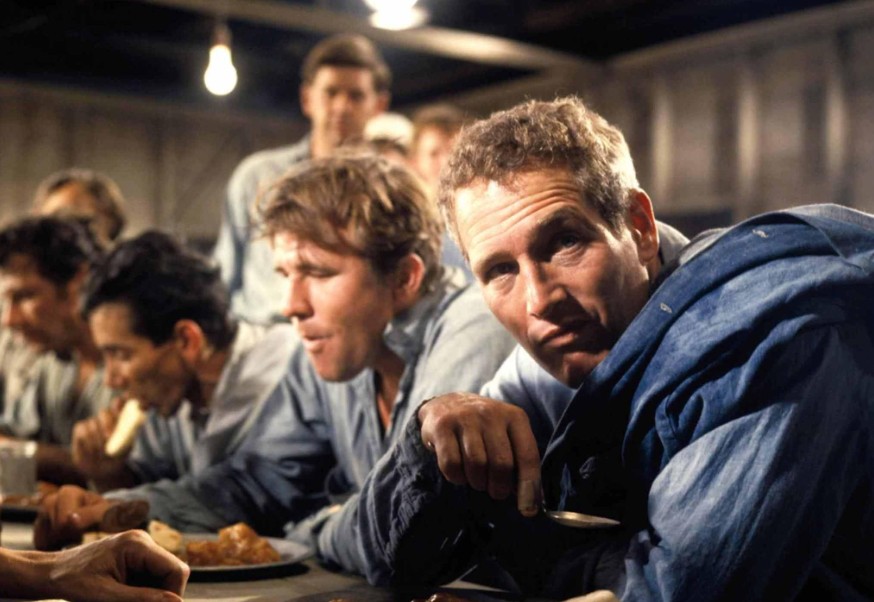
The Hustler, Cool Hand Luke, Butch Cassidy and the Sundance Kid, are all examples of films with an anti-hero protagonist. (and they all star Paul Newman.) Come to think of it, Harper, Hud and Hombre, are three more anti-hero films from Mr. Newman.
Multiple protagonists
Some stories have more than one protagonist. This is often found in sitcom styled TV shows or stories where two or more characters are equally carrying out the plot.
While many ensemble casts have one individual that brings them together, there are a few like we see in Friends or Avengers: Infinity War, that show us it is possible to have more than one main character moving the plot forward. While it can be argued who the “true protagonist” may be, each main character in the story is working towards their own end goal.
Dual protagonists carry equal weight in a story where the author may present two storylines intersecting each other or running parallel from different perspectives. In the novel All the Light We Cannot See, Anthony Doerr tells a story about World War II from the perspectives of Marie-Laure LeBlanc (a blind French girl), and Werner Pfennig (a German orphan boy with a talent for radio) with each character acting as the audience’s point of view.
False protagonist
This is a literary technique used when the author wants to challenge the audience’s expectations. They create a connection between the audience and character only to pull the rug out and remove the “main” character in some way to favor a new protagonist all together.
Psycho is a classic example of this technique, making the audience believe Marion is the main character until she is murdered midway through the film. George R. R. Martin used the same method in A Game of Thrones, when he unexpectedly killed off Ned Stark and redirected the story to other characters.
Villain protagonist
Writing a villainous protagonist can be a lofty goal as they are made to be morally ambiguous, even evil, while still maintaining the audience’s interest, if not their sympathy.
Tom Ripley, from Patricia Highsmith’s The Talented Mr. Ripley, is a villainous protagonist whose charm and intelligence mask a deeply amoral core. As the story unfolds, readers follow Tom’s desire for wealth, status, and belonging, even as he lies, manipulates, and ultimately murders to get what he wants. The unsettling power of Ripley as a protagonist lies in how closely we are aligned with his perspective. We understand his fears and ambitions, even when his actions are reprehensible.
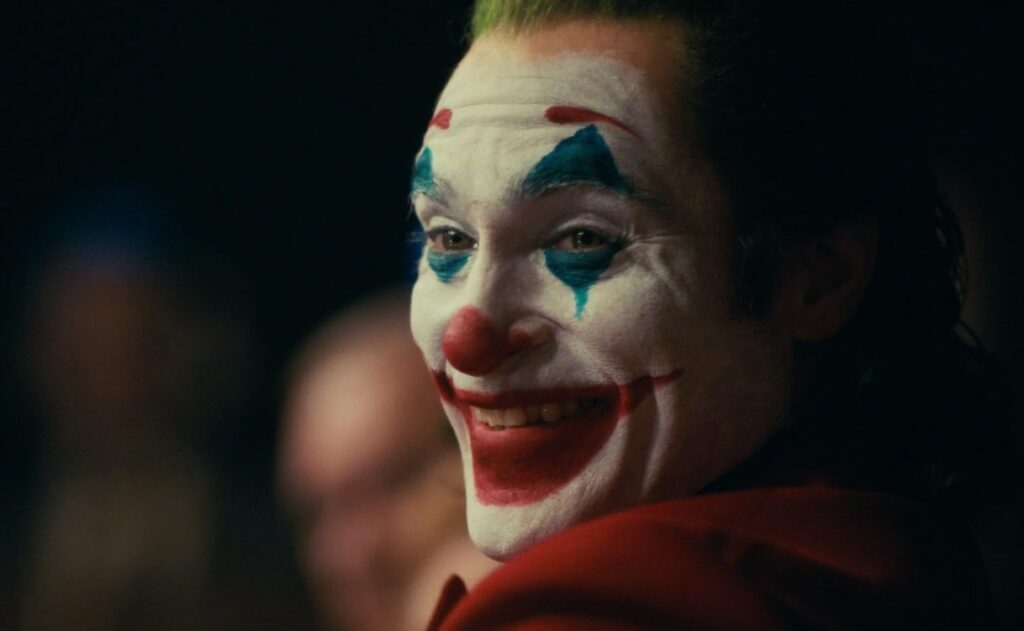
In Joker, we already know from the outset how it’s going to end for Arthur Fleck. The story connects the audience to him through his loneliness, mental illness, and social alienation as he struggles to survive in a city that repeatedly humiliates and discards him. As Arthur transforms into the Joker, his actions become increasingly violent and destructive, and the film never reframes those acts as heroic. Instead, the narrative forces us to witness how a desperate need for recognition and control curdles into cruelty, making Arthur both the emotional center of the story and its greatest threat.
Writing a Protagonist
Your protagonist is defined by the conflicts they face and how they overcome them. They are the driving force of your story. They need a depth of personality that reveals strong goals and a vulnerability that gives the opportunity to change, even if they choose not to.
Your protagonist brings cohesiveness to the story while also making it more compelling as the audience connects with them. In order to write a protagonist with depth, you need to consider their wants and needs. In my 90-day classes, I ask writers what their protagonist wants. Often, the answer is love. And while that may be true on some level, what we are really seeking is what we think love will provide. Is it security? Meaning? Status? Connection? Validation?
When you write your protagonists, you must remain curious, go deeper than what you believe they want on the surface level.
Your story weapon: Hold your idea of the character loosely
Throughout the story, allow your protagonist to struggle, to feel reluctance. This helps your readers understand what your protagonist is specifically struggling with. As you hit the key beats of your story, you can winnow away your protagonist’s misconception of the way things are, in order to lead them back to their true self and the way things could be.
Story is not about making moral judgements for your characters, though some will tell you it is. There is nothing more frustrating than reading a story where it feels like the author is pushing an agenda by telling you what to think and feel. A well-told story allows the reader to draw their own conclusions by following the protagonist’s journey from beginning to end through action and consequence, cause and effect.
The key is to hold your idea of your characters loosely, while staying connected to your impulses. You may be surprised how your story has a way of telling you where it wants to go. And if you are working from an outline, (which I highly suggest) you must simultaneously allow your protagonist free rein to stray from your preconceived idea of the plot.
Your protagonist is always making decisions and taking actions. They are the key to your story’s themes and deeper meaning for your audience. By connecting to their motives and allowing your protagonist to take the lead in the story writing process, you will discover that you are creating a story where the whole is likely greater than the sum of its parts.
If you want to dig deeper into crafting protagonists whose desires, flaws, and choices truly drive your story, join one of my next workshops: The 90-Day Novel, The 90-Day Memoir, Story Day. We’ll put these ideas into practice and I’ll help you discover the character at the heart of the story only you can tell.