




A redemption arc is where an immoral character atones for their wrongdoings and earns their forgiveness.
When humans first began telling stories, they were mostly tales of good and evil. Gathered around campfires, in villages and small towns, they told stories of justice, morality, and the promise of good triumphing over evil.
As storytelling progressed and humanity evolved, the gray area started opening up. Anti-heroes entered the picture. Turning from evil to good, from the side of the antagonists to the side of the protagonists, is no easy feat. Nor is it easy to write it convincingly.
To unpack what makes a great redemption arc, I’ll break down the process into three simple steps, using three characters who had powerful redemption arcs as examples: Severus Snape, Prince Zuko, and Megamind. Lastly, I’ll give you a Story Weapon on why redemption arcs matter and how to create one for yourself.
When authors write a great redemption arc for their character they offer both their audiences and themselves a chance to forgive. Follow three characters in examples I’ve written out for you to understand how this progression happens across different stories. In the process of making a flawed character who seeks penance and operates in many gray areas, you will confront some of your own biases and possibly find the heart of your story.
Starting off on the wrong foot
The first thing you need for a redemption arc is a character who requires redeeming. It doesn’t have to be your protagonist; side characters may also find redemption in the course of your narrative.
Redemption arcs belong to characters who aren’t already heroes and heroines of their world. They’re decidedly less moral and concerned about justice. They’re more selfish, more traitorous, more prone to the dark side. You’ll want to give the reader a reason to dislike the character in question. Just be careful not to push them too far in the evil direction. In other words, they are, in some way, conflicted about their allegiance to the dark side, which will become apparent as the story progresses.
Example #1
It’s easy to dislike Severus Snape when we first meet him. He bullies and humiliates the main characters. Snape favors the Slytherin House students and gives them points while penalizing the Gryffindors. We can sum up the relationship between Harry Potter and Snape in this excerpt from the first book:

At the start-of-term banquet, Harry had gotten the idea that Professor Snape disliked him. By the end of the first Potions lesson, he knew he’d been wrong. Snape didn’t dislike Harry — he hated him.
Example #2
We can say much the same for Prince Zuko. When Avatar: The Last Airbender first starts, he’s the main antagonist. Zuko represents the Fire Nation to the audience and all the evils that they perpetrate, though we come to see he cares about honor more than some firebenders. He hunts the Avatar and chases Aang around the world.
Zuko is a great example of how we don’t need to make characters outright cruel and villainous to earn a redemption arc. They just need to work against your protagonist, present obstacles, and give your audience a reason to root against them.
Example #3

Megamind starts off his story as a full blown cartoon villain. Though he’s presented as the protagonist of the story, we still root against him. After all, it’s hard to support a character who builds a sun-powered death ray. Worse still, he takes out the Superman parody character “Metro Man” early in the movie (or Megamind believes he does, at least). That’s definitely starting off on the wrong foot with the audience.
“In life, redemption was walking up the down escalator: stop to congratulate yourself, and back you slid.”
– Amy Waldman
An illusion is dispelled
Everyone has the capacity to change. For your protagonist or side character to seek redemption, something needs to incite that change. We can characterize this moment as the breaking of an illusion.
Your character might believe, at the start of the story, that crime pays and the dark side is worth the trouble. At some point, they come to a new realization and there’s a change in their perspective. They see a truth that contradicts what they previously believed.
Example #1
The illusion is dispelled in two ways for Severus Snape.
The first illusion shattered is actually for Harry and the reader, not Snape. It turns out in the end of the first novel that Snape was protecting Harry the whole time. When he was suspiciously casting a spell at the Quidditch match, he was trying to save Harry from Professor Quirrell’s attack.
The second illusion is shattered in the last book, mostly for the reader. We find out that Snape started secretly working for Dumbledore when Lily Potter was in danger. What’s the change in perspective here? Through Snape, we get a major theme of the series. We see how love triumphs over all other forces in unexpected ways.
Example #2
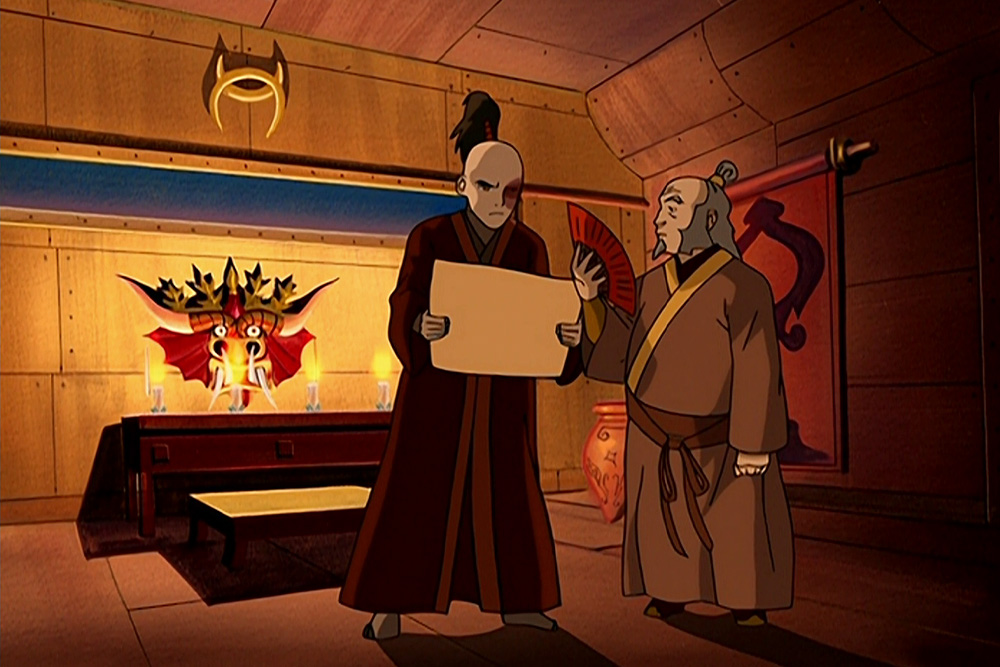
For Zuko, his triumph in the eyes of his father is his undoing. Season 3 opens with him getting everything he wanted. He’s been returned to his position as the prince of the Fire Nation. He gets back with his girlfriend, Mai. Things are looking up.
Despite all that, he feels uneasy. His uncle, Iroh, is in prison and the atrocities of the Fire Nation keep adding up. When he finds out that his grandfather on his mother’s side of the family was the previous Avatar, something in him snaps. He chooses to help Aang. For Zuko, the illusion that shatters is the possibility that he could be happy in the Fire Nation as things are. He needs to change in order to realize his destiny.
Example #3
After apparently killing Metro Man, Megamind grows incredibly bored by his success. There’s no fun anymore. He even goes so far as to create another hero, which backfires. The illusion of joy in evil is shattered.
Megamind is also visited by the specter of love, like Severus Snape. He falls for the reporter Roxanne and, when her life is threatened, he’s impelled to act. Megamind has glimpsed the truth and there’s no going back from that.
Penance

Now that your character is trying to change, the road to redemption is a difficult one. The more they’ve turned their back on the light, the harder it is to return to it.
The type of penance or effort that the character faces depends on what they’ve done. In a way, it’s a mirror to their previous actions. They can’t suddenly decide to be good and forget the past. The ghosts of their mistakes will visit them.
They have to feel a reflection of the pain they caused others.
Example #1
For Severus Snape, penance and redemption come in the form of a sacrifice. There’s no life for him in the redeemed world after Voldemort is defeated. For all the time he’s spent amongst the villains, he can’t find forgiveness in the Wizarding World. His story ends at the hands of Voldemort, who sends his pet snake Nagini to kill him.
Snape’s redemption arc ends with his character being redeemed in the eyes of the reader. We see visions of him trying his best to protect the one he loves. We see that he didn’t conspire against Dumbledore, but played a key part in a plan they hatched together. We learn about ways he tried to protect the students of Hogwarts when he was Headmaster.
Example #2
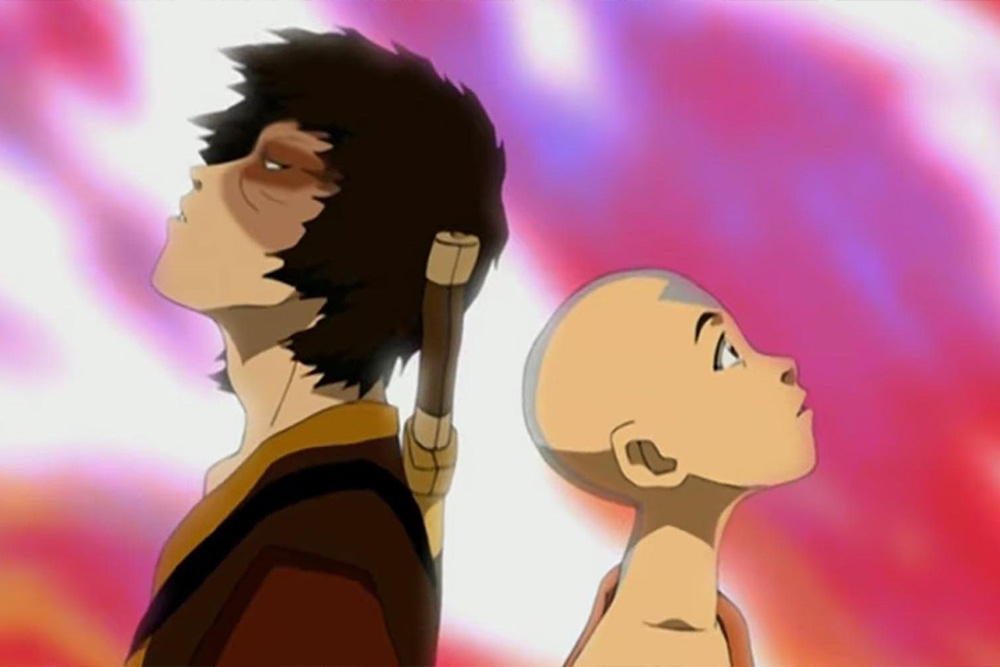
For Zuko, earning forgiveness from the Avatar gang proves difficult. They don’t trust him, for obvious reasons. Then when Aang asks to learn firebending, Zuko finds he can’t do it anymore. The hate and anger that fueled him has gone and he has to find a new way.
In his time of penance, Zuko earns the forgiveness of the Avatar gang one by one. He helps Sokka and Katara’s father escape from prison. He helps Katara track down her mother’s killer. He visits an ancient firebending temple with Aang to gain a new perspective on the craft.
Finally, Zuko faces his sister Azula, and earns the role of Fire Lord in the new world of peace. Because of what he’s learned, he can lead the Fire Nation on its own redemption arc.
Example #3
Megamind’s redemption comes from an act of heroism. He chooses to go to jail in a period of depression. When he sees Roxanne is threatened by the new villain Tighten, he chooses to risk his life and save her.
Megamind learns the heavy burden of being a hero. He puts it all on the line to defeat Tighten and earns his moment in the sun. It’s the first time Megamind has done something truly brave and dealing with the fear of that moment leads to his redemption.
Your story weapon: Why redemption arcs matter
Besides being interesting stories to watch, there’s a deeper reason authors choose to write redemption arcs. In helping a character see the error of their ways and earn forgiveness, we explore the idea of justice. We can see in these characters a fragment of ourselves. We’ve all done things that we regret, but luckily that’s not the measure of character. What matters is what we choose to do when we know better.
These stories resonate with audiences because, on some level, we can all relate. On some level, we are all seeking redemption. We love the style and swagger of a great villain. They are often more complex and interesting than the heroes who are good through and through.
As you write your redemption arcs, let it be an exploration of your own morality and sense of justice.
Here’s some things to consider in exploring the redemption arc for your own character:
- Would you forgive them for what they’ve done?
- How is penance served or measured?
- What do you judge them for?
- How does that match the appropriation they face in the world of your story?
Exploring the gray area between good and evil is a lot of fun. You may just find the heart of your story in a redemption arc.
Writing a compelling redemption arc requires more than transforming a character’s actions — it demands a clear understanding of morality, consequence, and the emotional truth behind change. If you are ready to explore these complexities in your own work and develop the tools necessary to guide your characters through meaningful transformations, join one of my next workshops: The 90-Day Novel, The 90-Day Memoir, Story Day.