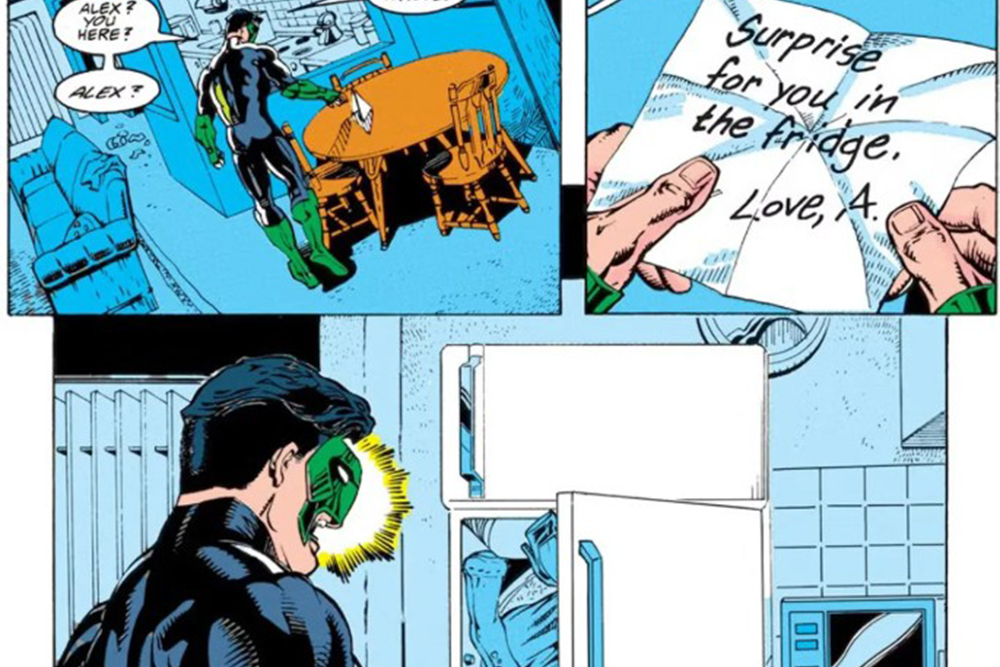

If you’ve ever fallen in love with a character who jumped off the page and felt so alive that you missed them after the book ended, you’ve experienced the power of a round character.
These are the characters who have the chance to grow, who even contradict themselves and surprise us. They feel human because they are written as humans on the page.
It doesn’t matter if you’re writing fiction or a screenplay. If you master the art of crafting round characters, it will transform your storytelling. In this article, I’ll break down what round characters are, why they matter, and I’ll show you how you can create them in your own stories.
Round characters are complex, emotionally layered figures whose contradictions, motivations, and inner conflicts make them feel deeply human. By grounding character behavior in desire, fear, and moral ambiguity, your stories will resonate long after the final page.
What are round characters?
Basically, a character is “round” when they have depth. There are multiple layers going on: a solid backstory, goals and motives, several traits to their personality that add to their psychological self, inner contradictions, flaws, and the capacity to change or surprise us in ways that still align with their character.
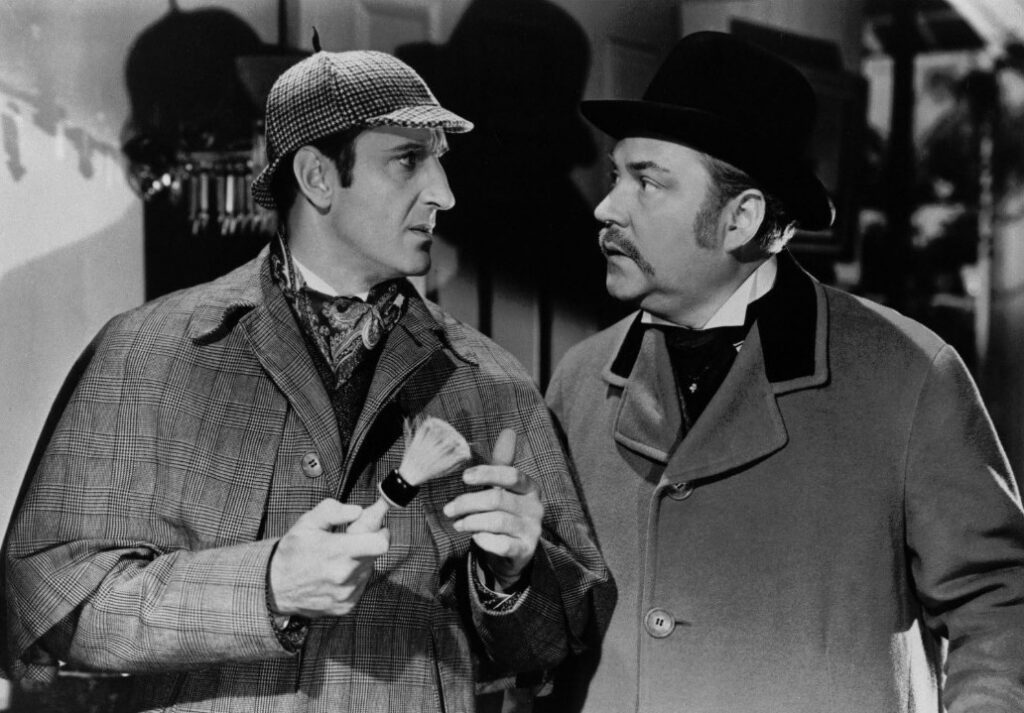
It’s not required that round characters do change. Some round characters don’t, such as Sherlock Holmes in Sir Arthur Conan Doyle’s mysteries, or Atticus Finch from To Kill a Mockingbird. These are complex characters with strengths and weaknesses who remain stalwart in their approach to different dilemmas and what they believe in. Supporting characters can also be round in this way.
Dynamic characters are marked by how they change over the course of a story. Most round characters are also dynamic, but there is a slight difference between the two classifications.
Flat Characters
Flat characters are more simple and often fulfill a specific function in stories. These characters:
- Have one dominant trait
- Do not change significantly
- Exist to support the plot or the main character
- Are easy to recognize
Flat characters are often necessary to keep stories focused, and support or provide greater contrasts to the protagonist. While flat characters serve the story, round characters often are the story.
Key characteristics of round characters
Let’s break down the building blocks that make round characters a little further.
Emotional complexity
“Tink was not all bad: or, rather, she was all bad just now, […] Fairies have to be one thing or the other, because being so small they unfortunately have room for one feeling only at a time.”
– J.M. Barrie, Peter Pan
As humans, we don’t experience one feeling at a time, and neither should your round characters. They can feel several different emotions at once, such as love mixed with resentment, confidence layered with insecurity, or hope shadowed by a sense of dread.
This emotional layering makes them more relatable and engaging.
Contradictions
One of the most realistic elements of round characters is contradiction. A character might be.
- generous, but jealous
- brave, but emotionally avoidant
- logical, but impulsive under stress
Contradictions help make your characters feel more authentically human. And this plays right into the next point.
Internal conflict
External conflict pushes the plot. Internal conflict builds character.
Internal conflict is dramatized as a dilemma for your character. Desire and fear. Belief and doubt. Your round characters have these sorts of struggles within them. When your character is pulled in opposite directions internally, every choice they make carries a greater emotional weight. The reader will better understand what it costs them to make decisions.
Your protagonist can fight villains, survive a storm, or chase after their goal, but the real drama often lies in what they’re afraid to admit to themselves along the way. As their external challenges escalate, they are tested internally as well, forcing growth, compromise, or collapse.

Powerful motives
Every round character wants something, even if they don’t fully understand it themselves. This desire leads into their decision making, their mistakes, and how they relate to other characters in the story.
When readers understand why a character acts the way they do, it helps to hold their interest even when the character makes poor choices.
Round characters are usually not the same person at the end of the story as they were at the beginning, whether that means success or failure for their goals.
Why round characters matter
The premise of your story’s plot may pull readers in, but the characters are what make them stay. Here’s why round characters are essential across all major storytelling formats.
They engage readers emotionally
Readers do not weep over story twists. They lament the people affected by them. Your round characters will help build connections with your readers. Defeats seem more terrible, and wins are all the more triumphant.
While a reader might forget some details of exactly what happened in a story, they will remember how characters made them feel.
Flat characters respond predictably. Round characters react with realistic emotions that raise the stakes. Remember, character suggests plot, not the other way around.
Round characters bring their fears, flaws, and any traumas or influences from their backstory into every situation. They may hesitate, overreact, make mistakes, or choose the “wrong” option for understandable reasons.
They reflect reality
Round characters resonate because they behave in a way that is so close to how real people would react. We don’t get clean fairytale story arcs, but messy, evolving emotional journeys.

For a great story, you don’t need to replicate your experiences in a literal sense. Instead, capture the emotional, universal truth. Readers will be able to recognize their own inner lives on the page, even in fantastical settings.
Because round characters are capable of growth and contradiction, they give you room to explore various topics that flat characters can’t grapple with, such as:
- Trauma and recovery
- Identity
- Regret
Instead of a single life-changing event “fixing” or “breaking” someone, you can show how experiences can linger, resurface, and reshape a person’s behavior. This leads naturally into exploring relationships — how people hurt each other, misunderstand each other, grow closer together, or even drift apart.
Through round characters, stories become less about what happens and more about what it means to live through it.

Examples of round characters
Elena
Elena is a confident bakery owner known for her calm leadership. Customers admire her, and her staff respects her. But that’s only one side of the story. Privately, Elena is terrified of failure after losing her first business in her twenties.
She overworks, avoids building deeper relationships, and panics whenever profits dip, even a little bit. Her confidence is real, but so is her fear. That contradiction makes her a brilliant round character.
Marcus
Marcus always shows up for his family. He works overtime and never complains, but beneath his loyalty is a quiet resentment. He feels invisible and unchosen because it doesn’t matter how much he cares for them. His family takes his efforts for granted and never returns that affection.
When he finally says no for the first time, the family explodes with rage. In this moment, the reader understands Marcus’ struggle as they are also connected with the character.
Guidelines to creating round characters
Start with the “want”

Your protagonist wants something. Without a powerful want, there is no story. Ask a few questions about your protagonist and other main characters:
- What do they want more than anything?
- What are they afraid of losing?
- What would destroy their self-image?
Until you have a sense of what your protagonist wants and the motivations that are driving them, you won’t have a clear direction for your story.
Backstory
You don’t need to include every detail of your character’s past, but hinting at the reasons behind your character’s desire and motivations can build a deeper connection with your readers. Backstory also helps explain why your characters behave and react the way they do. You can explore:
- Their childhood emotional environment
- Their biggest past failure
- A defining relationship
- And, most importantly, a false belief that they hold
Your protagonist’s desire is wrapped up in a false belief about what their goal actually means, which creates a dilemma for them.
Moral ambiguity
Round characters should not be either perfectly innocent or completely evil.
A kind character might act selfishly under pressure if their loved ones or their own safety is threatened. The normally ruthless henchman might show unexpected tenderness or guilt. These contradictions are not errors in writing, but essential aspects of more realistic characterizations.
People behave inconsistently depending on different circumstances. Layers of moral complexity add more realism to your work and make it more believable.
Track emotional changes
Natural growth happens incrementally, not all at once. Don’t try to rush the development of your character.
Here are some questions you can use as a checklist after every major scene:
- What did this scene mean to my character?
- Did their false belief strengthen or crack?
- How did this moment shift my character’s emotional state going into the next scene?
- Did this experience force them to make a choice or avoid one?
- What new fear, desire, or doubt did this scene introduce or intensify?

Common mistakes that flatten characters
Even some of the most experienced writers can fall for these traps:
- Using stereotypes, like the brooding artist or the manic pixie dream girl
- Explaining your character’s emotions instead of showing them
- Making your characters too perfect
- Giving characters no meaningful choices
- Letting the plot control the character instead of the other way around. If your character exists only to serve the plot, they’ll feel shallow and artificial.
Your story weapon: Trust your wild mind
At the heart of every lasting story is a character who feels alive. Plots may hook a reader’s curiosity, and prose may dazzle in the moment, but it’s the characters who stay with you.
Let them want something deeply. Let them be afraid. Let them make imperfect choices. When characters are allowed to struggle internally in ways that make sense for their character, your story builds in meaning.
Readers don’t just want to know “what happens next,” they want to know “Who will this person become?”
Characters are not secondary to the plot. They are the engine that’s driving it. Focus on their inner conflicts, motivations, and ultimately their transformation.
Writing round characters is about trusting your wild mind. Your job, as a writer, is to support what your subconscious gives you.
When I hear a writer come up with a wild idea, and they follow it with, “But my character would never do that,” I want to scream! Rather than dismissing your wild ideas, consider the possibility that your character just might do that. Afterall, isn’t drama all about characters behaving uncharacteristically?
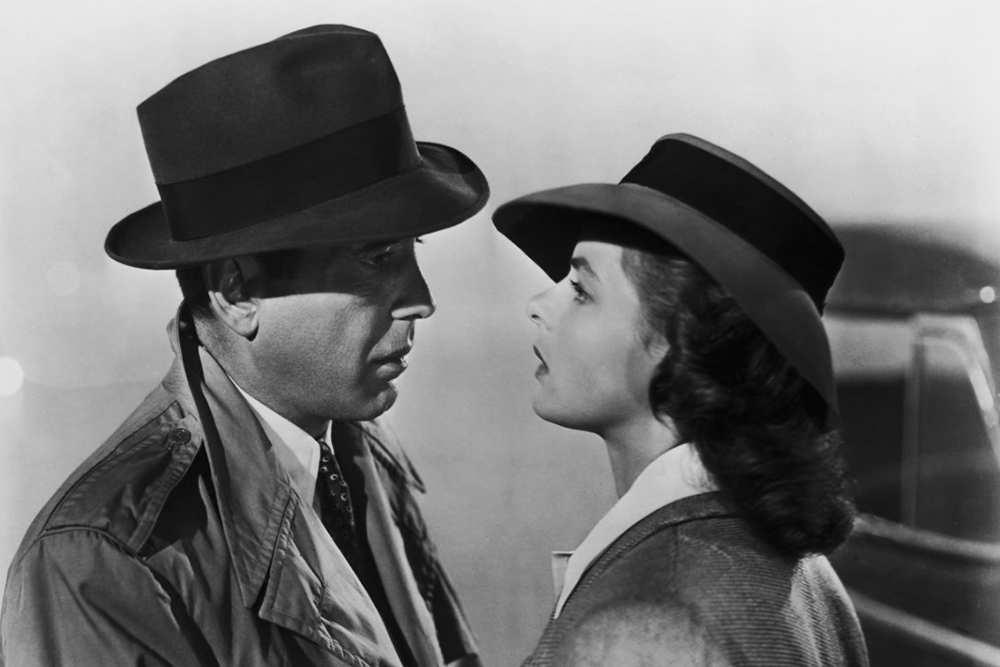
In spite of the fact that George Bailey hates Mr. Potter, he considers working for him. In spite of the fact that Rick loves Ilsa, he lets her go in the end. In spite of the fact that Harry and Sally are just friends, they finally sleep together.
Trust your wild mind. Your roundest characters live in the deepest recesses of your imagination.
Develop characters with psychological depth and emotional realism in one of my next writing workshops: The 90-Day Novel, The 90-Day Memoir, Story Day. Join me and learn how to craft round characters whose inner lives drive meaningful, memorable stories.