
Tragic heroes are like a falling star, burning, hurtling to their doom, but are a sight to behold all the same. They are one of the most enduring and interesting character archetypes. From Oedipus to Eddard Stark, there is a continuing thread that binds all these diverse characters together: tragedy.
The reason tragic heroes have had such a long-lasting presence in our collective imagination is that we can all relate to sorrow and how it colors our fortunes. In this article, I’ll look at characteristics of tragic heroes, and offer you a Story Weapon to write your own tragic tale.
A tragic hero is a flawed but noble character whose own choices and inner weaknesses drive them from success to inevitable ruin, evoking pity and fear in the reader. By disguising flaws as virtues and letting fate tighten only after the hero acts, writers can create powerful, cathartic tragedies that reflect the human condition.
What is a tragic hero?
Aristotle wrote on the concept of tragic heroes in several of his works. Essentially, a tragic hero evokes pity and terror as they are relatable with sympathetic traits and ambitions, but they are also flawed. In Poetics, he defines a tragic hero as “a man who is not eminently good and just — yet whose misfortune is brought about not by vice or depravity, but by some error or frailty.”
A tragedy has a much greater effect if the protagonist is imperfect but moral. If tragedy befell a perfect and innocent character out of nowhere, Aristotle argued we wouldn’t feel pity or fear, simply shock. And if it struck a villainous character, we wouldn’t care much at all since they deserve it. For the tragic hero archetype to work, the character has to experience a change from happiness and joy to misery and loss due to their own personal failing or error.
“The best tragedies are conflicts between a hero and [their] destiny.”
– Aristotle
Tragic heroes have the potential for greatness, but are doomed to fall. Their story arc exemplifies the human condition and the consequences of personal flaws.
Nevertheless, the tenacity and persistence of the tragic hero in attempting to fight their fate and pursue hope in hopelessness is why they tug at our heartstrings in the first place. Despite misfortune marking their journey, we want to see them succeed and overcome their doom. It can be a cathartic experience for readers when such a character is written well.
While witnessing the struggles and downfall of the tragic hero, readers can gain insight into their own lives and the burden they must carry.
The difference between a tragic hero and an antihero
While there are some overlaps, these characters are quite different from one another. While both are often morally complex and make decisions that might not seem outright heroic, the similarities basically end there.
An antihero is someone who makes up their own moral code, and strays into questionable methods to achieve their goals. However, their ambitions are often noble, and they end up saving the day. In essence, they embody opposite traits of an actual hero, representing rebelliousness and unconventional thinking.
A tragic hero is often more noble, at least at the beginning of their story, and is brought down by a flaw in their character. They are defined by their suffering and tragedy.
Let’s look at two different examples from the same story.

In The Song of Ice and Fire, Jon Snow is a sympathetic tragic hero because of his unwillingness to compromise his deeply held beliefs and principles. This leads him to being murdered by his sworn brothers in the Night’s Watch.
Conversely, Lord Varys is an antihero who will go to any lengths to accomplish his goals of securing his people. He trades in secrets, manipulates kings and councils, engineers betrayals, and is willing to sacrifice others if he believes it will serve a greater purpose. He accepts evil as a necessary tool.
Common traits of tragic heroes
Most tragic heroes have the following characteristics in common, which define them and their place in their stories.
- Position of respect. Even though they are not traditionally heroic, these characters are talented, respected, and claim to have high morals.
- A fatal flaw (or “hamartia” as Aristotle called it). This is their defining weakness, such as pride, ambition, obsession, or stubbornness, and it will lead to their downfall
- Personal responsibility. The outcome of their story is largely the result of their own actions or decisions, and not random.
- Significant downfall. Their story moves from success to loss, ruin, or even death.
- Inevitability. Their fate becomes unavoidable once their flaws have set things in motion, no matter how they may fight it.
While tragic heroes differ considerably across time and stories, any combination of these traits and characteristics can qualify a hero as tragic. The important thing is to maintain the fundamental ideas of flaw, failure, and futility.
Examples of tragic hero characters
Here are three examples of tragic heroes from classic and modern fiction.

Achilles
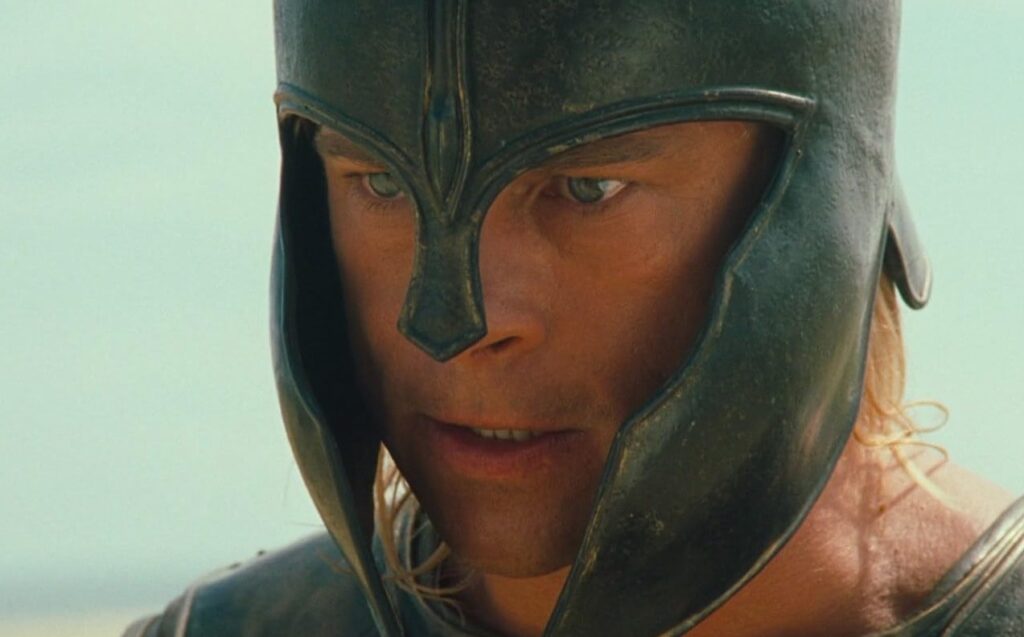
Achilles is one of the protagonists of the Greek epic, The Iliad. Despite being brave, powerful, and “best of the Achaeans,” Achilles was prideful and lacked control of his emotions. To many, he was a god-like being who was the epitome of heroism and courage. In his haste to be immortalized in legend, however, he lost everything.
While some might claim his fatal flaw to be his heel, which brought his death, his real flaw was his pride and uncontrollable rage. When pressed, he does not see the consequences of his actions, but acts on impulse. The conflict with Agamemnon and the death of Patroclus were partly of his own making, which makes his tragic downfall all the more heartbreaking.
Anakin Skywalker
For this example, I will focus only on the prequel Star Wars films, Episode 1-3, which truly depict Anakin as a tragic hero. He grows up on a backwater planet as a slave, but his connection to the force and superhuman abilities lead him to be accepted by the Jedi.
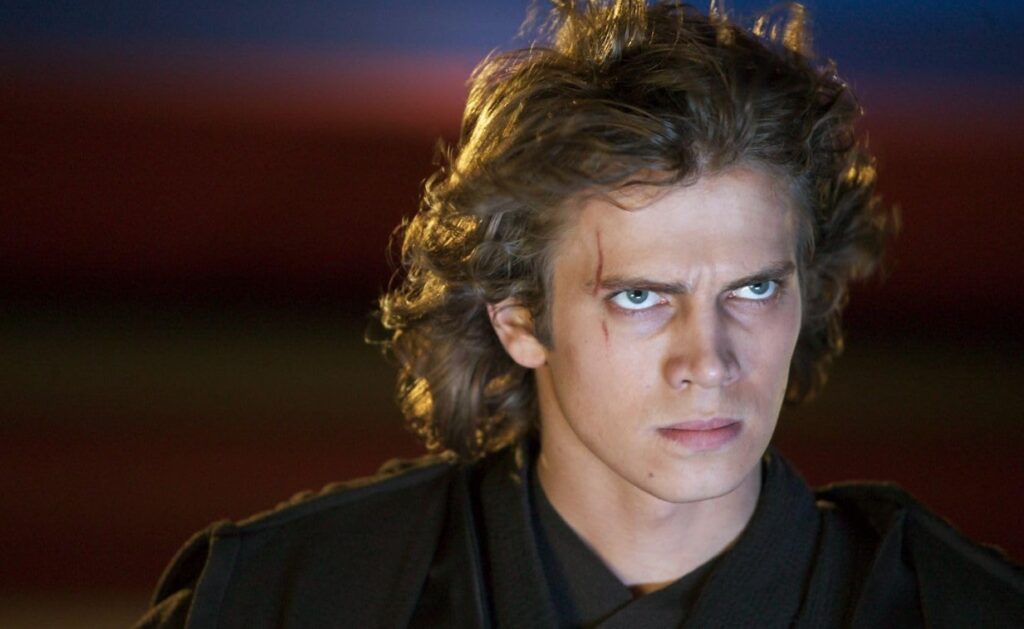
Despite being a courageous war hero, his pride, ego, and love for Padme break him away from his prophesied destiny to defeat the Sith once and for all. In trying to save his wife from death, he not only dooms the entire Jedi order, but also plays a part in her death himself. His actions create a dark cloud over the whole galaxy as the Emperor takes complete control over the Republic.
Oedipus Rex
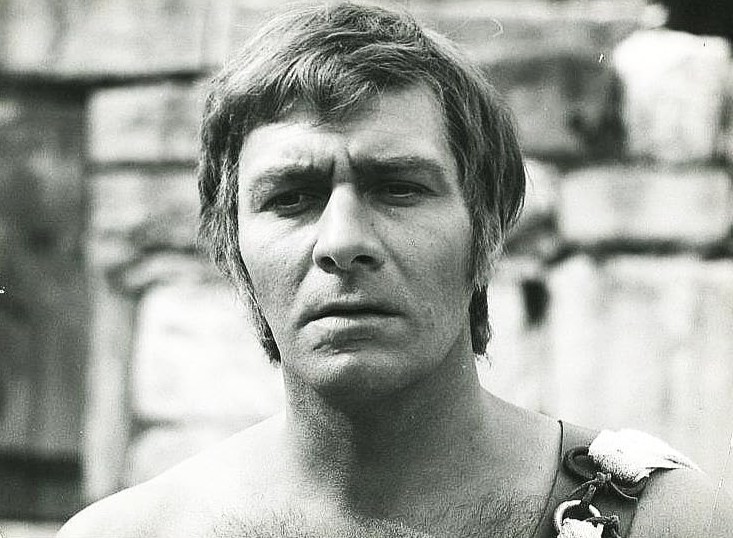
Oedipus is perhaps the most commonly cited example of a tragic hero. In Sophocles’ play, Oedipus Rex, he is written as a king with excessive pride and hubris who is unable to escape his fate. The play involves him seeking an end to a plague that ravages his city. A prophet tells him that the only way to banish the plague is to punish the man who killed the previous king. Oedipus hunts for the killer, only to discover that he himself is the culprit. He had inadvertently fulfilled another prophecy that he tried to escape in his youth by killing his father and marrying his mother. His downfall is not caused by evil intent, but by his inability to see his own limitations. When the truth is revealed, Oedipus blinds himself and goes into exile.
Your story weapon: Writing exercises to develop a tragic hero
To write a compelling tragic hero, begin by identifying the flaw that will undo them—and then give that flaw a virtue-shaped disguise. Pride may look like confidence. Obsession may look like devotion. Honor may look like stubbornness. The most effective tragic flaws are not obvious weaknesses, but strengths taken too far. Your hero should believe their flaw is necessary, even righteous, and the story should give them enough early success to justify that belief.
Just as important is choice. Tragedy does not come from misfortune alone, but from decisions made under pressure. Each step toward the hero’s downfall should feel understandable, even inevitable, given who they are. Let fate tighten its grip only after the character has set events in motion themselves. This is where tragedy earns its power: the reader sees the fall coming, longs for it to be avoided, and watches it unfold anyway.
✒️ Writing Exercise #1
As your tragic hero, in a word or a phrase, fill in the blanks.
I want ___.
I need ___.
In tragedies, what the hero wants is often noble, ambitious, and deeply human, but it is also the source of their downfall. It is something external and tangible in most cases.
What they need, however, is usually internal. Things such as self-awareness, humility, forgiveness, and acceptance are all common. The real tragedy is that they either never realize this at all or realize it far too late.
✒️ Writing Exercise # 2
Identify the dilemma that is strangling your tragic hero’s soul. (Take another look at the want and the need, and you will likely notice their dilemma.)
A dilemma will typically include a powerful desire and a false belief. For instance, in Oedipus Rex, Oedipus desires to protect his city and uncover the truth. His false belief is that he can outmaneuver his fate and that truth will bring salvation, not ruin. The tragedy occurs when these two collide.
You cannot hammer this dilemma by force, however. Take care to ensure that tragedy emerges not from characters making logically sound decisions, but from them behaving with intensity and stubbornness. Their actions in the heat of the moment can lead to an inevitable and unfortunate end.
Tragic heroes remind us that downfall is not reserved for monsters or fools, but for people who reach too far, love too fiercely, or refuse to bend.
Want to shape a tragic hero whose rise and fall will stay with readers long after the final page? Join one of my next workshops: The 90-Day Novel and Story Day.