
Sometimes, when we’re first assembling our cast of characters, they feel static or formulaic. This happens when we approach our characters as simply functions of the plot rather than living breathing humans who are inhabiting the world of the story.
You might think of your characters in standard categories such as the hero, the sidekick, the bad guy, the love interest, etc. But to connect with our readers, our characters must embody facets beyond their apparent role in the story.
Characters are living representations of the central dilemma. Each character who comes into contact with the protagonist serves as a catalyst that tests their view of reality.
Understanding how a character’s inner workings drive the development of the narrative can dramatically alter your manuscript. Instead of seeing your characters as “types” to check off a list, see them as individual moving pieces in an interconnected web of conflicting forces.
In this article, I will break down each of the psychological types of characters found in narrative storytelling. And then, I will give you a Story Weapon to help you identify relational tensions in your writing.
Understanding the types of characters in a story means seeing them as psychological pressure points rather than plot functions. This breakdown covers four categories: the round, dynamic protagonist at the core; the inner circle of deuteragonists, confidants, foils, and love interests; archetypal instruments like the sage, trickster, and revolutionary; and static, symbolic, or tertiary characters who build the story’s world. Each type exists to test or reveal the protagonist’s central false belief.
1. The core (round & dynamic characters)
Every story worth reading has at least one protagonist the reader experiences it through. For that character to carry the emotional weight of the narrative, they should be both fully realized and capable of change. In literary terms, that means being:
- round, which is to say genuinely complex, with a psychology and a history that feels earned
- dynamic, meaning the story actually does something to them
If a protagonist transforms merely because it serves the requirements of the plot, it feels shallow. It’s more meaningful when they evolve from a dilemma, an unendurable psychological conflict that is, in some way, universally relatable.

A compelling protagonist is driven by a powerful desire, while simultaneously beset by an equally entrenched false belief.
Examples
Michael Corleone from The Godfather is a perfect example of a round and dynamic character. Michael has an incredible desire to lead a morally legitimate life independent of his family’s illicit business. He believes that he may remain detached as an outsider to his father’s actions, while simultaneously protecting his father. Ultimately, Michael’s false beliefs collide and shatter, which leads to Michael’s tragic, irreversible transformation.
The anti-hero is another type of protagonist who may lack many of the typical heroic qualities. The dynamic nature of Walter White, from Breaking Bad, transforms negatively. The overwhelming drive of Walter White to have complete control over himself and his ego takes away the typical hero’s journey and turns it into a tragic fall of morals.
✒️ Writing Exercise 1: The core conflict
Instead of just making a list of characteristics about your primary character, define their internal struggle. What is the strong desire that your protagonist wants to achieve, and what is the specific false belief that prevents them from reaching that goal? What do they actually need that they can’t see yet?
2. The inner circle (deuteragonists, confidants, foils, & love interests)

Characters surrounding a story’s protagonist serve to bring out their internal struggle. In addition to being the central figure of a narrative, a story’s characters support each other through various means.
The deuteragonist: They can be thought of as the secondary lead in the story. The deuteragonist can also have their own internal struggle that parallels the protagonist’s, but usually on a smaller scale.
The confidant: This person serves as the “safe place” where the protagonist can express themselves openly without fear of judgment. When a protagonist expresses themselves to their confidant, it allows the reader to see how vulnerable they really are.protagonist
The foil: This is a character that contrasts everything that the protagonist believes in or stands for. By showing the exact opposite of the protagonist, the foil character will emphasize their strengths and show the readers their weaknesses.
Love interest: While romance is typically thought of in affectionate terms, a love interest is also a catalyst for vulnerability. If the protagonist wants to develop a relationship with their love interest, they will need to open up and expose themselves to rejection and/or their own feelings of inadequacy.
Examples
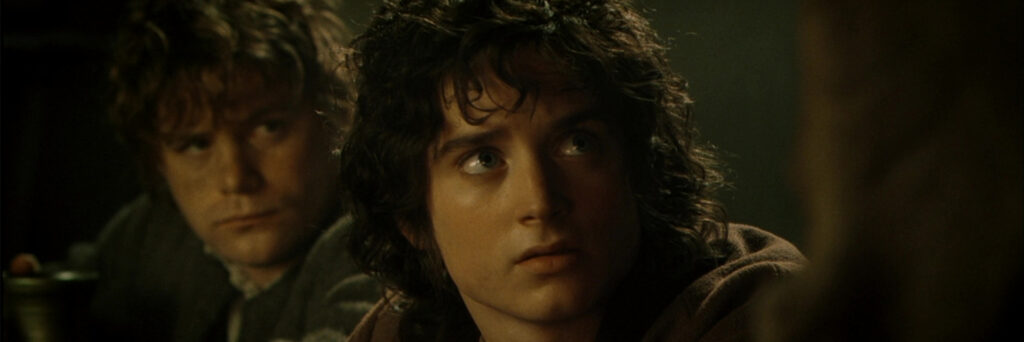
We can see this layering of roles in J.R.R. Tolkien’s The Lord of The Rings. Frodo is the protagonist and carries the mental burden of the ring. Sam Gamgee functions as both a deuteragonist and confidant, providing a steady source of encouragement for Frodo while serving as a sounding board for his despair. On the other hand, Gollum serves as Frodo’s foil. Gollum represents what Frodo could become if he gives in to the temptation of the ring. It is between Sam’s unwavering optimism and Gollum’s tragic fall from grace that Frodo’s internal struggle is continuously pushed to extremes.
✒️ Writing Exercise 2: The vulnerability test
Consider taking a closer look at your protagonist’s closest friends/support system. What would you do to create a confidant, foil, or love interest that would force your protagonist to drop their protective barrier?
3. Archetypal instruments (the sage, the trickster, & the revolutionary)

For centuries, storytellers have been utilizing classic archetypes. These archetypes represent different types of psychological pressure.
The Sage (the mentor) — This character is a source of wisdom, insight, and experience. However, the Sage will rarely fight the battles with the protagonist. Instead, the Sage gives the protagonist the tools to find their own answers.
The Trickster (the jester or fool) — This character is there not just to create humor but to speak uncomfortable truths about the world. They are able to point out the protagonist’s hypocrisy or systemic contradictions in their society.
The Revolutionary (the rebel or outlaw) — This character rejects all social conventions. If the protagonist believes they should follow “the rules” of their society, the Revolutionary shows them the real nature of freedom may involve rejecting those very same “rules.”
Examples
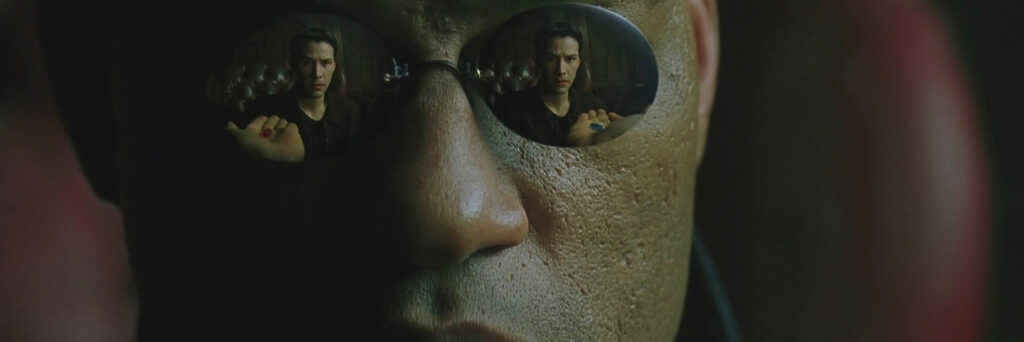
In the film, The Matrix, Morpheus exemplifies the Sage perfectly. He never forces Neo to “wake up” but instead provides him with choices. Morpheus questions the false beliefs Neo has about what constitutes reality and guides him to take the terrifying step toward change.
As for a Trickster, Donkey uses his comedic nature in Shrek to break down the walls created by Shrek’s deeply held false beliefs regarding his status as an unloveable monster. He would have had no success with quiet wisdom. Through the use of relentless humor and refusal to back down from intimidation, the Trickster can penetrate the protagonist’s defenses.
Jack Sparrow serves as the Revolutionary in Pirates of the Caribbean. He thrives on creating chaos and constantly undermines Will Turner’s expectations. By placing Will in an untenable dilemma, Jack Sparrow illustrates how a person may need to violate their own rules to achieve their goals.
✒️ Writing Exercise 3: The uncomfortable truth
Consider using an archetype character in a scene where your protagonist has no doubt regarding their false belief. Can a Trickster tell a joke to bring to light the ridiculousness of your protagonist’s hypocrisy? Would a Revolutionary try to convince the protagonist to break free from what they’re hiding behind? Use the archetypes as voices to express the uncomfortable truth your protagonist doesn’t want to hear.
4. The world builders (static, stock, & symbolic characters)

In a deep and abiding way, static and tertiary characters (in particular those who refuse to change) provide a very important, powerful function in creating the thematic world in which your story takes place.
Static characters: These are characters that remain entirely the same from beginning to end of the story. A static character might be someone with an unwavering sense of right and wrong, or someone stuck in their own false belief. Since they are unwilling to bend, they provide a contrast to the main character.
Symbolic characters: These characters exist to represent concepts greater than themselves. In this manner, these symbolic characters steer the reader toward the story’s overall thematic ideas.
Tertiary characters: Tertiary characters are minor characters that show up at various points in the story. Although they typically don’t play a major role (usually just showing up for one scene), they often help reinforce the day-to-day realities and social pressures of the main character’s world.
Example
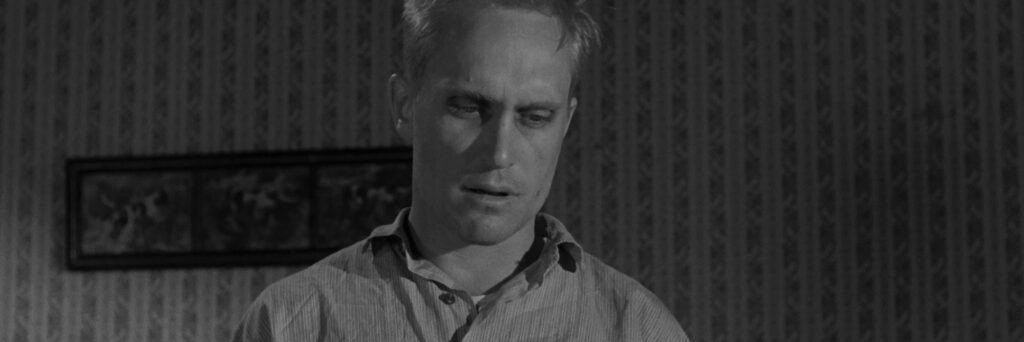
Take Harper Lee’s To Kill a Mockingbird. Boo Radley is an excellent example of both a symbolic and static character. Boo does not experience a typical character development arc; he also doesn’t have many lines of dialogue. Rather, Boo functions as a tangible representation of a misunderstood outcast. As such, Boo works as a static, silent presence in the background of the story. He provides an unmoving thematic object against which Scout’s view of the world is challenged and changed.
✒️ Writing Exercise 4: The unmoving object
Do you have a character in your story that represents an inflexible rule or law, an unbreakable tradition, or an unstoppable force? If so, consider how their refusal to change could put pressure on your protagonist and how it affects their dilemma.
Your story weapon: The character web framework
Story is alchemy. Your protagonist can only be transformed under pressure. That pressure often comes from the protagonist’s surrounding cast. To enhance your narrative, consider testing how your characters interact using this three-step framework.
In practice, let’s apply it to Christopher Nolan’s The Dark Knight.
Step 1: Identify the powerful desire
Bruce Wayne (dynamic protagonist) wants to save Gotham City and retire from crime fighting.
Step 2: Assign the false belief
Bruce operates with the belief that he can defeat darkness through order and morality by following his own strict code.
Step 3: Orchestrate the dilemma
Enter the surrounding cast. Enter the Joker (static force), an unyielding agent of chaos whose entire purpose is to show that rules are a joke.
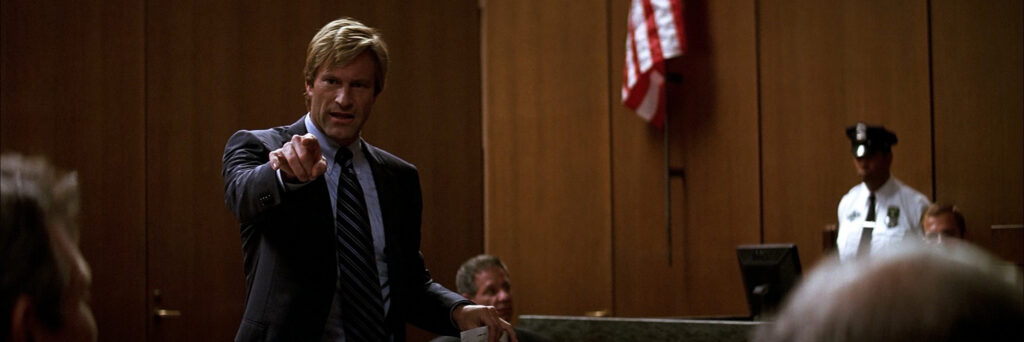
Meanwhile, enter Harvey Dent (foil & deuteragonist) as a mirror for Bruce. Both stand for justice, but eventually they break down under pressure. Harvey Dent ultimately exposes what Bruce may become if he loses hope. At the climax, these characters create an impossible dilemma for Bruce. In order to save the city, Bruce sacrifices his own reputation and becomes even more of an outcast.
To develop a compelling story, think about your different types of characters in terms of connected points of pressure on your protagonist.
Begin at the center. Once you’ve established the inner conflict within your protagonist, you can populate their world with confidants, foils, and other archetypes whose main purpose is to reveal those specific false beliefs.
Next, utilize static and symbolic characters as immovable obstacles, forcing the main characters into an impossible situation during the climax of the story.
When you strip away the labels and look at the deep psychological function of your cast of characters, your narrative has the chance to become more than just a sequence of events.
Do you have a protagonist caught in an impossible bind? Do you have a love interest pulling down their emotional walls? Or do you have an archetypal sage creating a moment of truth for your protagonist? Regardless of how you do it, the goal remains the same: to reveal human truth under pressure.
Use this framework to populate your world with different types of characters while allowing your story’s magic to emerge naturally.
FREE STORY DILEMMA GUIDE: Every great story begins with a dilemma. If your plot feels unfocused or your tension falls flat, this FREE Dilemma Guide will help you identify, explore, and sharpen your protagonist’s central dilemma to reveal the most dynamic version of your story.