If you’re wondering how to get an ISBN, let me help you.
The ISBN is one of those publishing steps nobody thinks to mention until you’re already at the door.
But once you understand what it is and where it comes from, it won’t look so overwhelming.
In this article, I’ll clarify what an ISBN is, explain how to get an ISBN according to your global location, discuss whether or not you actually need one, and give you some ideas on the best route for your book. Lastly, I’ll give you a Story Weapon to make the process as stress-free as possible.
Learning how to get an ISBN starts with knowing whether you actually need one — ebooks published exclusively through Amazon KDP use an ASIN instead, while print books sold through bookstores or distributors typically require one. In the US, ISBNs are purchased through Bowker starting around $125 each, with cost per unit dropping for larger blocks, while countries like Canada offer them free. Each format — paperback, hardcover, ebook, audiobook — needs its own ISBN.
Breaking down the ISBN
The International Standard Book Number (ISBN ) is a numerical identifier used to identify books. It is a unique thirteen digit number which will identify your book for that particular edition and format. It’s like your book’s fingerprint in the publishing world.
Booksellers use it. Libraries use it. Distributors use it. Readers and sellers both want to be sure that they have the right book in the correct format.
The hardcover version of your book would have a different ISBN than the paperback version of your book even though they have the same content. The epub version and the print version have different ISBNs as well. They are considered separately within each format.
That distinction matters more than a lot of first-time authors expect. It can be helpful to remember early on before assigning numbers, so you don’t get them mixed up later.
Do you need to buy an ISBN?

If you are publishing exclusively through a platform like Amazon Kindle Direct Publishing for ebooks, you may not need to get your own ISBN at all. Amazon assigns its own identifier called an ASIN to ebooks on their platform. It is not an ISBN, but it serves a similar function within their system. Many writers publish ebooks without ever touching the ISBN question.
If you are publishing a print book and want it available in bookstores, libraries, or through a distributor beyond Amazon, an ISBN becomes much more relevant. Most retailers and distributors require one. Without it, your book is harder to order, harder to catalog, and harder to find through traditional book industry channels.
Some self-publishing platforms like IngramSpark and Barnes and Noble Press offer to assign a free ISBN to your book if you first publish through them. This is a convenient option. But there’s a catch worth noting. A free ISBN assigned by a platform typically names that platform as the publisher of record, not you. For some writers, that may not matter. For others, it matters a great deal, particularly those who want their own publishing imprint to appear as the official publisher.
Buying your own ISBN means you control who is named as the publisher. That is the main practical difference.
How to get an ISBN in the United States

If you are based in the United States, the process to get an ISBN runs through one organization. That organization is Bowker, the official ISBN agency for the United States and the only place you can purchase ISBNs that are officially registered to you.
You can find them at myidentifiers.com. The process is straightforward. You create an account, choose how many ISBNs you want to purchase, pay, and the numbers are assigned to you. You can then register your book’s information through their system so the number is linked to your specific title.
The cost is something writers often find surprising. A single ISBN from Bowker costs around $125. A block of ten costs around $295. A block of one hundred costs around $575. The per-unit price drops significantly the more you buy. If you are planning to publish more than one book, or publish the same book in multiple formats, buying a block tends to be more economical over time.
Once you have your ISBN, you can assign it to a specific edition of a specific book. That number stays with that edition permanently. If you change the content slightly, then you don’t need to assign a new ISBN. However, you would need one when there is a significant revision of the book, or a new edition is published.
How to get an ISBN outside the United States
Understanding how to get an ISBN looks a little different depending on where you live. The process and costs may vary significantly from one country to another, because each country has its own official ISBN agency.
- In the United Kingdom, the official agency is Nielsen.
- Canadian writers go through Library and Archives Canada, where ISBNs are actually free to Canadian publishers.
- In Australia, the agency is Thorpe-Bowker.
- In most other countries, there is a national agency that handles ISBN registration, often connected to a national library or government body.
If you are unsure which agency covers your country, the International ISBN Agency website maintains a directory of all official agencies around the world. It is worth checking before you purchase anything, because buying through the wrong channel can create complications for your registration.
The process through most national agencies follows a similar pattern to what you find in the United States. You register as a publisher, apply for a block or a single number, pay where a fee applies, and then register your book’s metadata so the ISBN is properly linked to your title.
Barcodes and the ISBN connection
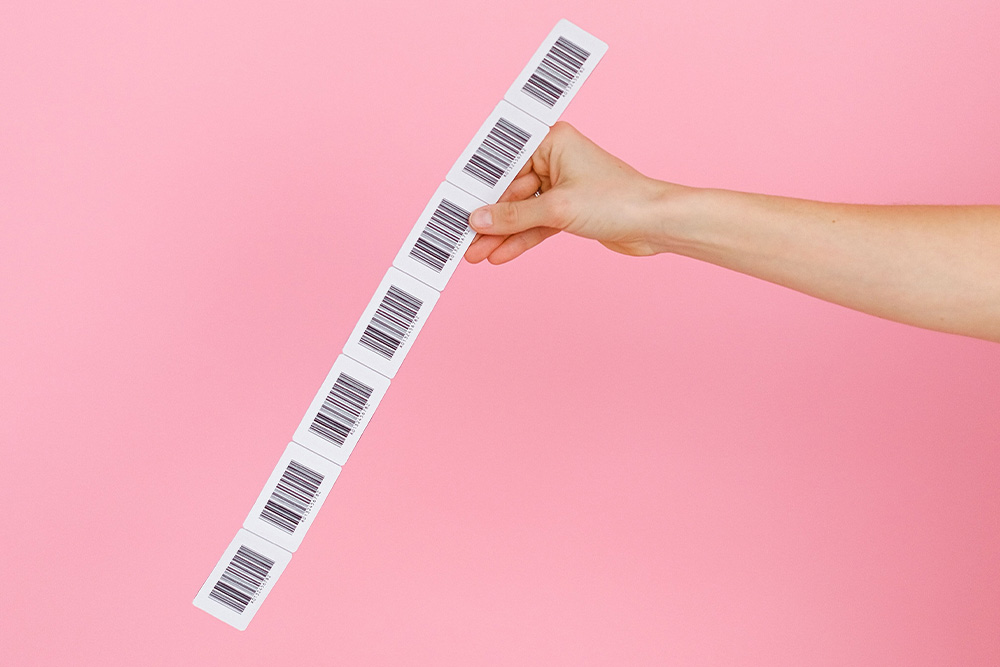
Many writers are surprised to learn that ISBNs and barcodes are not quite the same thing.
The lined image that can be read by an optical scanner on the back of a printed book is called a barcode. It contains the ISBN for the retail scanner. The barcode is directly related to the ISBN, but not exactly the same.
Something worth noting is that you don’t need to buy a barcode separately. If you’re uploading to a platform like Amazon KDP or IngramSpark, they typically offer to generate the barcode from your ISBN during the cover setup process. If you’re working with a cover designer, you can give them your 13-digit ISBN and they’ll handle the rest. There are also free online barcode generators where you can enter your ISBN, add a price code if needed, and download a print-ready image that you can add to your book jacket. The barcode is just the final step, a scannable version of the ISBN number you already have.
For ebooks, no barcode is required. There’s no physical product to scan, so it’s even easier to distribute digitally using the ISBN number.
Your story weapon: The format first rule
Before you buy anything or sign up for anything to do with ISBNs, consider every format you plan to release. Remember that there is no expiration date on ISBNs, so think long-term. If you plan to publish multiple books, or a series, you can burn through them faster than you think.
Paperback. Hardcover. Ebook. Audiobook. Each format that you intend to distribute through traditional channels typically needs its own ISBN. Writing that list first gives you a clear number to work from before you spend anything.
If you are publishing only one format through one platform and you are not concerned with bookstore distribution, a free platform-assigned ISBN may be all you need for now. If you are building something longer-term, perhaps a series, a publishing imprint, or a catalog of titles in multiple formats, buying a block of ISBNs early can save you money and paperwork down the road.
Knowing how to get an ISBN is really just knowing what you are building first. The number is just a number. What matters is understanding what it connects to and what it names. Get clear on those two things and the rest of the process tends to follow naturally.
How to get an ISBN does not have to be a mystery. It is a practical step to getting published. And like most practical steps in publishing, it gets easier the more you do it.
A well-revised book is easier to format and better prepared to meet the practical requirements of the publishing process. If you’re ready to strengthen your manuscript before taking the next step toward publication, join the waitlist for my next Rewrite Master Class.