



The desire to write is, at its core, the desire to evolve. To dig deeper into something you’ve experienced in order to find truth and transformation. This is the heart of a memoir. Uncovering the truth of your own life, beyond the simple facts of what happened.
In this article, I will look more closely at what defines a memoir, explore different types, and offer you a Story Weapon to help you get started in writing the story you have always wanted to tell. Plus, there’s a link at the bottom for free resources such as story structure worksheets and outline examples from some well-known memoirs.
Memoir goes beyond recording events; it uncovers the deeper truth and transformation behind your lived experience. This article breaks down what memoir is, how it differs from autobiography, the main categories of memoir, and offers a practical exercise and resources to help you start writing your own.
What defines a memoir?
Memoir comes from the French word “mémoire,” meaning memory. It is a narrative written from the author’s perspective, focusing on a specific moment from their life or exploring an overall theme from their personal experiences.
Memoirs are often considered synonymous with autobiographies, but they can differ in intent and the scope of life.
- Autobiographies are more of a broad reflection covering a person’s whole life, typically following a chronological structure. They also tend to be more anecdotal, and to adopt a more observational tone, which can appear more objective or detached than a memoir, though the story is still told from the author’s eyes.
- A memoir digs a little deeper into the author’s life as it goes beyond facts into the meaning the author attaches to them. It is more of an emotional truth following a theme than an objective record. It’s not what happened but why it matters.
Some works might blur the line, like The Diary of Anne Frank. It is considered an autobiography in that it is a factual and chronological account of her time in hiding, but it is also like a memoir as Anne’s coming-of-age story covered in that short two year span.

Different types of memoir
While memoirs are all stories about people’s experiences, they tend to fall into one or more of the following categories.
Transformational
This type of memoir shows meaning in the challenges the author has been through, and how different events — perhaps both good and bad — have changed them.
- In Between Two Kingdoms, Suleika Jaouad reflects on her battle to survive through leukemia and navigating how to live again after remission. She reflects on the challenges of both fighting cancer and learning how to enter back into the world, showing how she has been changed through the unexpected.
- Becoming by Michelle Obama is a reflection on identity, purpose, and growth, as she traces her life’s journey from childhood in Chicago to executive mom to First Lady in the White House.
Travel
Travel memoirs include reflections on the author’s travels. Usually the story centers on what they have learned from various cultures they experienced or challenges they faced throughout their journey.
- Wild by Cheryl Strayed is a popular example of this category as her memoir recounts her journey of self-discovery and healing on her solo hike of the Pacific Crest Trail. It reveals both a physical and mental experience of being lost and found.
- Travels with Charley: In Search of America by John Steinbeck tracks his road trip across the U.S. with his poodle, Charley, as he explores American identity in a time of upheaval. He treks across the nation in his camper-truck named after Don Quixote’s horse, Rocinante.

Confessional
This kind of memoir unveils an honest meditation on the life the author has lived and the regrets they hold on to. It is a self-reflection filled with vulnerability, often revealing intimate parts of that person’s life.
Some may believe this type of memoir only appeals to those who watch reality TV, as these works sometimes reveal a scandalous life. However, confessional memoirs offer more than just a shock factor. They are written by real people with real problems that show us we are not alone.
- In Prozac Nation: Young and Depressed in America, Elizabeth Wurtzel writes honestly about depression, suicidal thoughts from a young age, and drug use. Her story is intimate and candid as she questions the reason behind increasing rates in depression and prescription drug dependency. It is a graphic account of depression and anxiety that connected with a generation wrestling with mental illness and normalized having open conversation about people’s struggles.
- Lit by Mary Karr gives a brutally honest chronicle of her battle with alcoholism, motherhood, and faith.
Coming-of-Age
Exploring the transition from youth to adulthood, here the author lays out their journey of self-discovery and growth in a coming-of-age story.
- Jeannette Walls in her memoir The Glass Castle, recounts her childhood in a dysfunctional and unique family. With nomadic and inconsistent parents, she tells the resilient story of how she and her siblings learned to care for each other. It is a powerful account of her life, overcoming an unconventional childhood and transitioning into a successful adulthood while maintaining love for her parents that failed to raise her.
- Brown Girl Dreaming by Jacqueline Woodson is a uniquely lyrical memoir told in verse about growing up as an African American in the 1960s and 1970s.
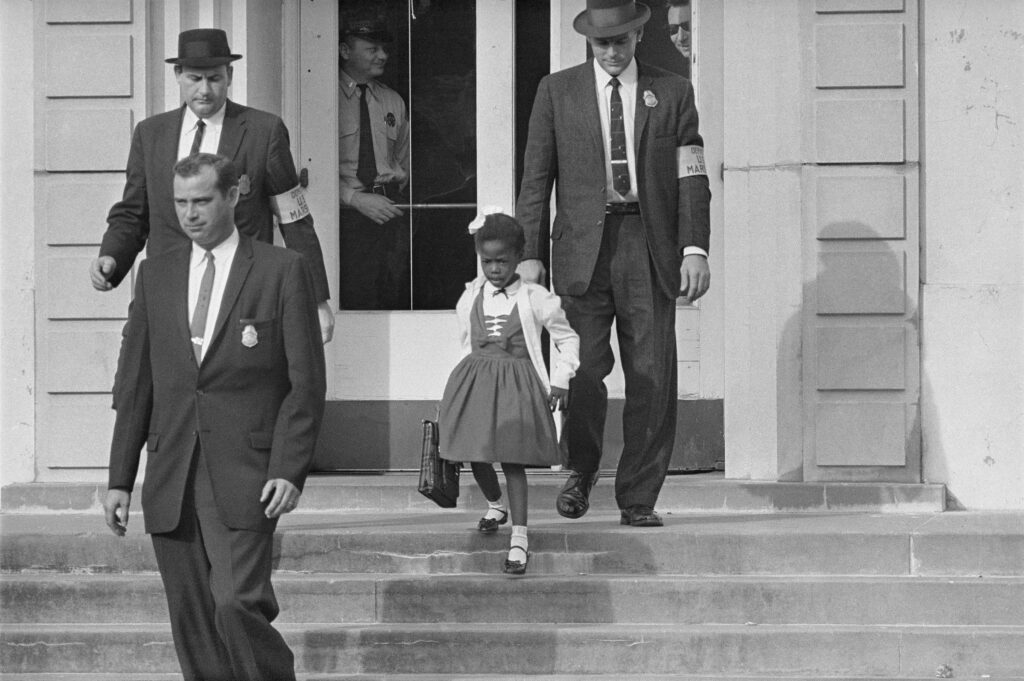
Not even three years have passed since a brown girl
named Ruby Bridges
walked into an all-white school.
Armed guards surrounded her while hundreds
of white people spat and called her names.
She was six years old.
– Jacqueline Woodson, Brown Girl Dreaming
The goal of a memoir
You’re not just pulling pages out of your journal. A memoir weaves the tale for your readers, and develops a coherent narrative of your life or an event within it. Your goal is to make the whole greater than the sum of its parts.
Not sure where to start? Such stories often begin with a tugging at your heart, a quiet voice telling you that you are shouldering a weight you weren’t meant to carry.
It’s then you begin your journey to the truth. Leading you here. To the desire to write it all down.
You are uniquely qualified, through the life you experienced, to shed light on our common humanity and set us free. The journey you go on has the power to meet other people in their own hurt or confusion surrounding their lives. In being vulnerable and honest about your life, you become a tour guide to your readers, to our collective inner lives.
Your story weapon: Writing exercise for memoir
The purpose of any story is to reveal a transformation. The challenge with memoir is that you already know the facts of what happened, but sometimes we can be so attached to our idea of our story that we fail to see the truth of the story — that thing that makes our story universal to others.
This is the goal of memoir, to make the personal universal. Through this process you are going to create a dynamic and compelling narrative by distilling events from your life to their nature.
It is important to understand that memoir is not simply journaling. Journaling is typically an attempt to understand, while memoir is written from a place of understanding. As a memoirist, you are the wise one on the hill. Your story is building in meaning as it progresses. You are not simply relaying a series of random events from your life, Your story is amounting to something.
The key is to begin with the end in mind, by exploring why you are telling this story.
Here’s an exercise that will quickly take you to the heart of it.
✒️ Writing Exercise
Write for five minutes, beginning with: “What I want to express through this story is . . .”
The goal with this exercise is to write as fast as you can and see what emerges. Remember, you are not the author, you are the channel for the story that wants to be told through you. Creating a memoir is a process of moving from the general to the specific. You don’t have to have the story all worked out in the beginning. You begin by connecting to this ineffable thing that wants to be expressed.
As you begin to connect to what you want to express, you will notice that memories return.
Take twenty minutes each day and scribble down memories that feel germane to what you want to express. As you do this, you will begin to notice a narrative taking shape. At this point you can do an outline and this will lead you to writing your first draft.
For free resources in writing your memoir, such as videos, story structure worksheets, and outline examples from famous memoirs, check out my memoir resources page.
Your idea of your story is never quite the whole story. It isn’t incorrect, but only incomplete. Find out more in The 90-Day Memoir workbook or join my next 90-day workshop here.