


“There are three rules for writing a novel. Unfortunately, no one knows what they are.”
– W. Somerset Maugham
There may be no clear rules for writing a novel, but there are definitely ways to make it easier. Apart from a few exceptional cases, writing a novel is not simply a matter of writing the first page and continuing steadily until you reach the end. There are twists and turns along the way, certainly a few rewrites, and often several detours. Luckily, you’re not going in blind.
In this article, I’ll give you a method for writing a novel yourself. Let’s get started.
Learning how to write a novel is a process of balancing imagination with structure — first exploring your story’s world, then shaping it through outline, drafting with discipline, and revising with clarity. By approaching the novel in stages, you transform a vague idea into a finished manuscript.
Step One: Imagining the World of your Story
Writing a novel starts with giving yourself room to play. Before you commit to the specifics of your story, you need time for your subconscious to explore the idea. If you allow your subconscious time to play without imposing limitations, you give your characters a chance to surprise you and take the story in directions you might not have otherwise imagined.
At this stage the key is to simply get curious. There are no rules to limit where the story could go. It can be hard to play on the page, especially when the responsibilities of life weigh down on us. Your inner child might enjoy taking the reins for a little while.
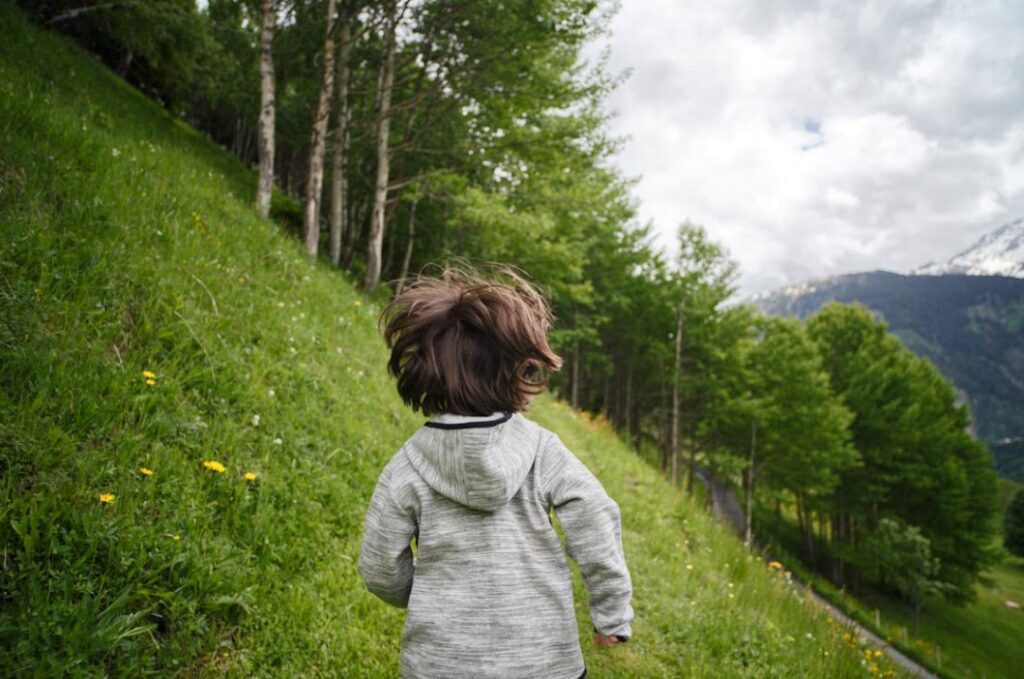
The first draft is primarily a right brain activity. You can scribble all your wild ideas down. You can draw pictures of the castle where the dragon sleeps. You can write a series of haikus that your robot samurai would have composed. Write fast and don’t concern yourself with grammar, spelling or syntax. You are just exploring.
As you’re imagining the world of your story, take the approach of receiving the story rather than dictating it. Ask a lot of questions and go with the answers that feel satisfying. Questions about your characters are especially helpful. Knowing who they are informs the choices they make, which come together to build their character arcs and help bring together your plot.
Ask yourself:
- what your characters want
- what dilemma is besetting your protagonist
- how the world of the story has hurt them or rewarded them
- how they relate to each other
Have faith that your subconscious mind is working on the story even when you’re sleeping, puzzling over the questions you’ve posed.
Step Two: Story Structure and Outline
Okay, you’ve got some raw material to work with from the first step. This next stage is all about coaxing that energy into an outline.
Why write an outline before writing the story? Think about it as a road map. You might still reach the end of the story without using an outline. It’s just a lot easier when you have a sense of where you’re going. Committing to an outline takes you from the general to the specific. It takes you from the subconscious mind, where nothing is real and everything is possible, to the conscious mind, where the story surrenders part of its infinite freedom to become real.
Your outline is based on how you structure your story. I recommend following the Three Act structure (example below), though there are other story structure models out there like the Snowflake Method, the Hero’s Journey, the Story Circle, and more. You can choose the one that feels like the best fit for your story. This is the blueprint for the house you’re going to build.
Story structure in three acts
Here’s a quick rundown of the blueprint I teach in my writing classes. (For each of these sections, jot down a few notes about how they manifest in your story.)
Act One
- Opening: Establish the world of your story. Where are we and who is this story about? What is unresolved in this world? Where is the tension?
- Dilemma: There’s a dilemma at the heart of every story. You might also call it the theme or the dramatic tension. A dilemma is a problem that can’t be solved without creating another problem. It means our protagonist can’t ignore the call of the quest.
- Inciting Incident: Something sets the story in motion. Our protagonist has to respond.
- Opposing Argument: How does the antagonist respond to the inciting incident or to the protagonist? What’s the specific challenge our protagonist will face in achieving their goal?
- End of Act One: We’ve met most of the main characters and set up the story. The protagonist has made a decision they can’t go back on. The quest begins.

Act Two
- False Victory: There’s a moment where it seems the journey won’t be too hard. The protagonist wins their first fight and gets a false sense of hope.
- Midpoint of Act Two: There’s no going back now. Some event or new information has pushed the protagonist further. There may be a moment of temptation where our protagonist measures their desire against the apparent cost of achieving their goal.
- Protagonist Suffers: The protagonist runs out of beginner’s luck and starts to apprehend the difficulty ahead. They waver. The weight of responsibility may be too much.
- End of Act Two: The protagonist surrenders. The quest may well be impossible. This is the moment the protagonist awakens and recognizes the nature of the dilemma. It’s the death of their old identity. It’s a loss of innocence. Something must change.
Act Three
- The Protagonist Accepts the Situation: Surrendering doesn’t mean giving up. It means reframing the approach. Our protagonist couldn’t possibly achieve this goal as the person they were at the start of the story. They’re not that person anymore.
- Action: Having changed, new possibilities emerge. The protagonist acts differently.
- Battle Scene: The protagonist makes a new choice, now awake to the dilemma. They give up what they want to get what they need. This part of the story involves some external conflict to mirror the internal conflict.
- New Equilibrium: The protagonist has returned home. The dilemma is resolved.
Step Three: Writing the First Draft
Now that you have a structure for your story, you can make a schedule. Turn a series of events in the plot to a series of scenes. Try to give yourself soft deadlines for each section so you have a measure of your progress. It’s okay to be a little behind or a little ahead. The deadline itself motivates you to write more than you would otherwise. This is time to plow ahead and get your first draft down one word at a time, one page at a time, one act at a time.
A key part of writing your first draft is keeping blinders on. With your road map, you know where to go. Now you just have to resist the distractions.
Avoid editing what you’ve already written at this stage. You can always polish the prose in the second draft. You don’t need to find the perfect word for each idea, just one that works.
The first draft is mostly telling the story to yourself so you know what needs fixing. Your next drafts are for telling the story to an audience.
Step Four: Celebrate!

Seriously! This is important. Your subconscious has just accomplished an enormous task on your behalf. Go take yourself out for a fancy meal. Buy some cashmere socks. Go for a walk in nature. When you celebrate yourself, you grow as an artist.
You have a complete first draft. Yes, it’s messy and there are narrative holes, but you are no longer staring at a blank page. You’ve taken a nebulous dream from your subconscious and brought it into reality.
After celebrating, you can begin the rewrite process by asking yourself two questions:
- Have I said everything I set out to say?
- Have I said it in the most effective way?
The first question will lead to an inventory, and the second question will lead you to a new outline. Write your new outline as if you did not write a first draft. In other words, now that you know your story better than you did before you set out to write it, ask yourself, “what is the most dynamic and compelling way to tell this story?” And be open to what emerges.
Here’s a free guide below to help you get started.
FREE STORY STRUCTURE GUIDE! Are you struggling with your outline and looking for support? My FREE Story Structure Guide will lead you through the process of marrying the wildness of your imagination to the rigor of structure to unlock your story within.