We use the word novel casually, as if it simply means “a long story,” but a novel is defined by more than length alone. It’s a distinct literary form with its own history, purpose, and set of expectations — especially for writers trying to shape meaningful, lasting stories. Understanding what makes a “novel” can help clarify how they are built, experienced, and remembered.
In this article, I will take a closer look at what a novel is, and what makes it such a powerful vehicle for storytelling.
A novel is a distinct literary form—long-form fictional prose—that uses plot, character, setting, and theme to explore human complexity over time. Understanding its history, structure, and purpose can help you see how novels differ from other literature and why they remain such a powerful vehicle for storytelling.
The novel defined
In short, a novel is a fictional book written in prose and is typically longer than 50,000 words. It contains the literary elements of setting, plot, character development, and theme.
Novels are not a genre of book, but their own literary form. They are known for how they tell a story by weaving a character through a series of events within a narrative world. The purpose behind the novel, compared to a nonfiction work, is to capture human complexities or explore themes of emotional and societal experiences.
History of a novel
The term “novel” originates from the Italian term novella which means “new” or “news.” Novellas referred to new short stories being told. Over time, the stories got longer and became more complex, leading to the rise of the modern novel.
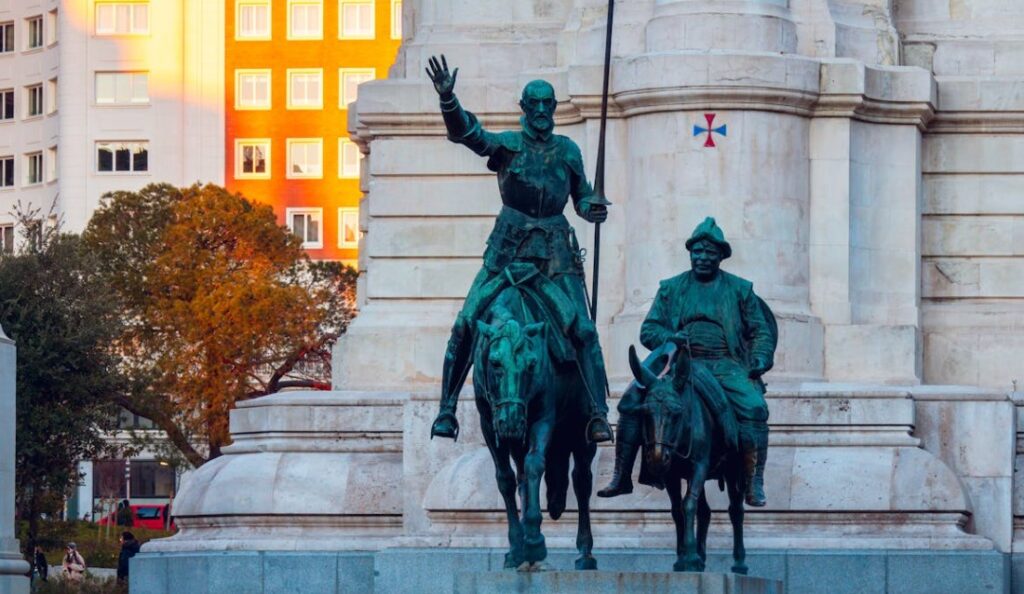
While literature has been around since humans created language, the modern novel as we understand it, didn’t take form until the 17th century. Historians recognize Miguel de Cervantes’s Don Quixote (1605) and Daniel Defoe’s Robinson Crusoe (1719) as the foundations of the novel as its own literary form.
One thing that made these books stand out was their use of prose — the flow of language that mimics everyday speech. While narrative stories were being written before, they were typically written in verse — a structure dependent on meter, rhyme, and line breaks.
This new form of writing allowed authors to dive deeper into their stories, creating opportunities for true character development and dialogue to occur. These books were among the first to truly explore human nature and its relation to society.
Here are some other early examples:
- Gulliver’s Travels (1726) by Jonathan Swift – A satirical novel critiquing politics, human nature, and society.
- Clarissa (1748) by Samuel Richardson – A monumental psychological novel exploring virtue, power, and social constraint.
- Tom Jones (1749) by Henry Fielding – A comic epic in prose, influential for its narrative voice and structure.
- Tristram Shandy (1759–1767) by Laurence Sterne – A groundbreaking, experimental novel that played with time, narration, and form.
- Candide (1759) by Voltaire – A philosophical satire confronting optimism, suffering, and reason.
- The Vicar of Wakefield (1766) by Oliver Goldsmith – A sentimental novel exploring family, morality, and resilience.
- Les Liaisons dangereuses (1782) by Pierre Choderlos de Laclos – An epistolary novel about manipulation, desire, and social power.
Over time, authors began to broaden the boundaries of novels, writing for the purpose of entertaining an audience and commenting on social standards of the time. The use of a fictional world and storyline became a powerful tool to convey an author’s intended theme.
4 key characteristics of a novel

The four key characteristics that make novels distinct from their literary counterparts are: Plot, Character Development, Setting, and Themes.
Plot
A sequence of events that moves a story forward. It is the structure of the story that creates the framework for themes and character development. When done well, the audience feels engaged in and moved by the story.
Character development
This refers to how the characters interact with the created world and the other characters around them. Characters are the heart of every novel. Without quality characters, the audience is disconnected and any theme you’re trying to convey will fall flat.
Characters come in all forms: protagonists, antagonists, static, dynamic, the list goes on. They are each written with a unique purpose in mind to support, emphasize, or become the conduit for the themes you explore.
Setting
A novel setting is the time and place the story occurs. This can be a real-world location or a fictional world like Oz, Dune, Berk, etc. The time of a novel can be modern day, a specific era of time like the 50s, or a time set in the future. The world created sets the scene for the readers and its features are often revealed throughout the novel rather than all up front.
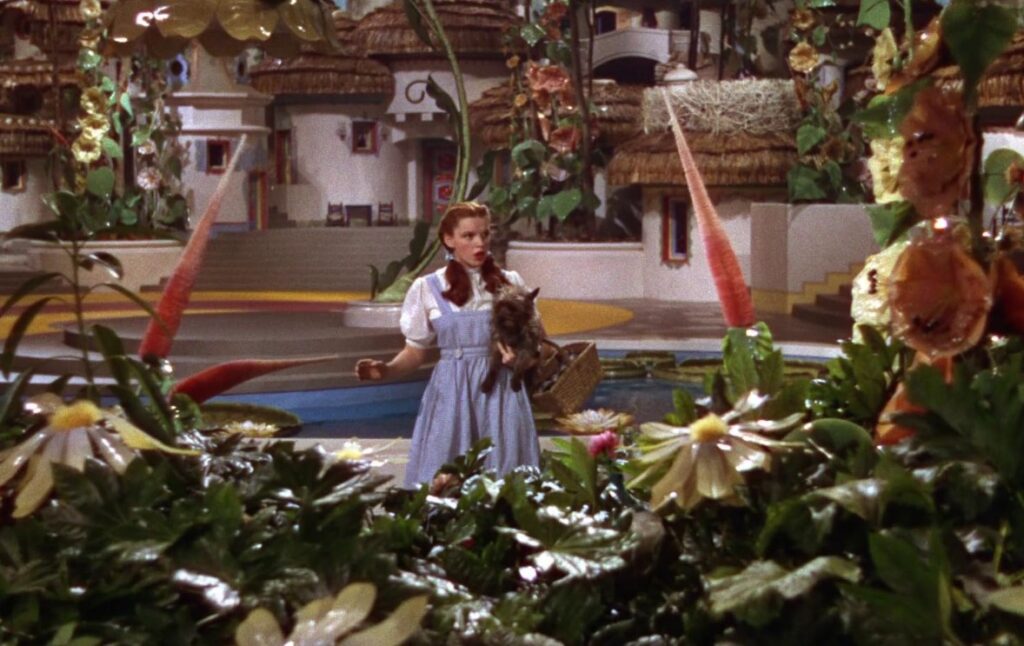
The unique purpose setting plays in a novel is to shape the mood of the story, creating space for your characters to develop. The way the characters interact with the world deepens the emotional tone and connection the readers have to the ultimate theme of the work.
Theme
The theme is essential to what sets novels apart from other works of literature. The way the characters, setting, and plot work in conjunction to convey a certain message to the audience gives it a greater depth. It is the underlying message throughout the work that the author is seeking to explore. It isn’t meant to be an idea that jumps off the page but rather a message woven throughout the work itself.
Here are some examples of themes:
- Isolation and belonging
- Identity and self-discovery
- Freedom vs. control
- Innocence to experience
- Finding one’s place in the world
- Guilt and redemption
- Truth vs. self-deception
- The nature of justice
- Responsibility and choice
- Revolution and reform
- The rewriting of history
- Humanity vs. technology
- What it means to be human
Issue versus theme
It’s important to not confuse theme with issue. These are two very different things, though the term theme is often used when the person means ‘issue.’
A theme is connected to your protagonist’s primal desire, as seen in the list above — this desire is universal and connects us to our common humanity.
An issue is a topic through which your theme is explored.
Some examples of issues are:
- Homelessness
- Child welfare
- The education system
- The opioid epidemic
- Gun violence
- The economy
- Depression
- Social media
If you gave ten writers the same issue, such as homelessness for example, they would likely write it from the perspective of many different themes such as belonging, identity, or freedom.

Novel genres
While a novel is itself a literary form rather than a genre, novels are commonly grouped into genres based on the kind of story they tell and the expectations they set for readers.
Genres help readers understand what emotional experience or narrative focus a novel will offer, whether that’s romance, mystery, horror, fantasy, science fiction, historical fiction, or literary fiction. Many novels blend multiple genres — such as romantic fantasy or historical mystery — showing how flexible the form can be. You can see my breakdown of different novel genres here.
Although your chosen genre can shape plot conventions and tone, the novel’s defining feature remains its ability to explore character, theme, and human complexity over an extended narrative arc.
Your story weapon: The purpose of a novel
All the elements discussed above can, and often are, found in other works of literature. Yet only in a novel do they work together in a unique form of storytelling to explore a diversity of voices and perspectives. Modern novels have begun to test the boundaries of this form of literature by introducing innovative formats to tell their story. This could be the use of a nonlinear timeline or including multiple narrators from diverse backgrounds to tell a deeper story.
Novels come in many genres, however their core elements of long form prose, use of fictional characters and plot, and their focus on exploring complex themes is what sets them apart from other works of literature.
Have an idea for a novel but don’t know where to start? Learn how to write a novel here, or join my next 90-Day Novel workshop.