
Try to recall your favorite story. How did it begin? What were the first words? If the first lines of a book or the opening scene of a movie is still cemented in your mind, then the hook did its job very well.
The hook is a literary device that captures your audience’s attention and makes them want to know what comes next. It can spark your reader’s curiosity by posing a question, presenting an intriguing moment, or hinting at the coming conflict. A good hook gets your reader or viewer to feel emotionally invested in some way. In this article, I will discuss different types of hooks, we will explore some examples, and I’ll offer you a Story Weapon to help create a more gripping narrative.
A hook is the opening element of a story designed to immediately grab attention by sparking curiosity, emotion, or tension, making the audience want to keep going. Effective hooks set tone, introduce stakes or conflict, and promise a meaningful payoff that aligns with the story to come.
The purpose of a hook
A strong hook should do the following:
- Invest the reader: by creating engagement and incentivizing your reader to stick around to find out what happens next.
- Make a promise: A strong hook creates anticipation by making a promise with your reader that a major payoff is in the offing.
- Set the tone: For example, a dark tale would most likely have a mysterious hook that lets readers know what they are in for.
- Introduce conflict or stakes: You can naturally set the stage of your story, and introduce the conflict right from the beginning. It gives important information at a glance, making for a seamless and immersive reading experience.
Different types of hooks in storytelling
Action Hook
An action hook starts in medias res, in the middle of the action or a conflict. It can be a chase, a fight, an argument, or any other high-stakes situation. These hooks immediately engage the audience and throw them right into the middle of the action.
Star Wars: Episode IV – A New Hope opens with a small rebel ship being pursued and fired upon by a massive Star Destroyer that fills the screen. There is little setup or explanation as to what is happening, and the viewers are pushed into the chaos and tension that define the universe.

Mystery Hook
While all hooks rely on intrigue, mystery hooks create it specifically by withholding key information and prompting questions. Their primary purpose is to make the reader think “Why?” or “What’s really going on?” and press on to uncover the truth.
Here’s an example from The Trial by Franz Kafka:
“Someone must have slandered Josef K., for one morning, without having done anything truly wrong, he was arrested.”
This is a classic mystery hook because it immediately presents an unexplained event and withholds crucial information. The reader is compelled to keep reading to discover who, why, and how—the intrigue comes directly from unanswered questions rather than mood, action, or emotion alone.
Emotional Hook
This type of hook starts with a strong feeling such as sadness, empathy, fear, joy, or any other powerful emotion. It can also depict a relatable situation, instantly connecting readers to the experiences of the characters.
A deeply emotional hook that strongly connects with readers appears in A Monster Calls by Patrick Ness:
“I was seven years old the first time the monster came.”
This immediately suggests fear, vulnerability, and childhood trauma. Readers instinctively empathize with a young narrator facing something frightening, creating an emotional bond that encourages them to keep reading to understand what the “monster” is or represents, and how the child will cope.
Statement/Concept Hook
A statement hook makes a clear and sometimes striking declaration. It conveys the narrative voice, theme, or perspective right away, often revealing something important about the narrator or the story’s focus.
The Catcher in the Rye by J. D. Salinger perfectly showcases this:
“If you really want to hear about it, the first thing you’ll probably want to know is where I was born . . .”
This doesn’t pose a mystery or describe action; instead, you’re introduced to the narrator’s voice and attitude. The direct, conversational tone draws the reader in by creating a taste of personality and a sense of intimacy.
Atmospheric Hook
An atmospheric hook draws readers into the story with the setting or mood. It sets the tone for the story and immerses the audience into that world right away.
Here are the opening lines from Wuthering Heights by Emily Brontë:
“1801.—I have just returned from a visit to my landlord—the solitary neighbour that I shall be troubled with. This is certainly a beautiful country! In all England, I do not believe that I could have fixed on a situation so completely removed from the stir of society. A perfect misanthropist’s Heaven—and Mr. Heathcliff and I are such a suitable pair to divide the desolation between us.”
This instantly lays bare a bleak, isolated mood. The mention of solitude, distance, and unease establishes a harsh, windswept atmosphere, signaling that the setting itself will play a part in shaping the story’s tone and conflicts.
Using sensory language [link to imagery blog] that describes the sights, sounds, textures, tastes, and smells your character experiences can also help you pull off this type of hook.
Character Hook
Introduces your protagonist or other characters in an intriguing or unusual way to catch people’s attention. These hooks typically show the character doing or saying something that instantly represents who they are and what role they might play in the story. If you can make your character interesting from the get-go, readers will have a tougher time putting the book down as they have someone they can latch onto.
A great example of this can be seen in Pirates of the Caribbean: The Curse of the Black Pearl. In one of the opening scenes, we see Jack Sparrow making a grand entrance at Port Royal. He stands tall, unbothered, and smoothly jumps down from the sail into a pathetic, water-filled boat.

He salutes the hanging bones of fallen pirates, confirming where his own sympathies lie. Moments later, he deftly steps onto the pier as the boat sinks completely behind him. The brief scene perfectly depicts his confidence, recklessness, and his role as a humorous rogue character.
And you’ll note this is not the opening shot of the movie, but comes several minutes into the story. The first Pirates of the Caribbean movie begins with a mysterious and atmospheric hook as it introduces the characters of Elizabeth Swann and Will Turner and the Black Pearl itself, but the most memorable of the character introductions definitely belongs to Jack Sparrow.
This example shows how you don’t have to limit yourself to using only one kind of hook. You can weave them throughout your story to continue guiding the reader along.
How to create your own engaging hooks
Crafting a compelling hook can be difficult for even seasoned writers. To write a compelling hook the drama cannot exist separate from the larger narrative. It must be germane to the story you are telling. Here are some things to consider in creating a memorable hook:
Build a sense of urgency
Drop the reader into the middle of a problem. Perhaps secret police are crashing down the door, or your protagonist is running late to a job interview. Make it clear that something bad will happen soon if the character doesn’t act now.
Introduce a thought-provoking question
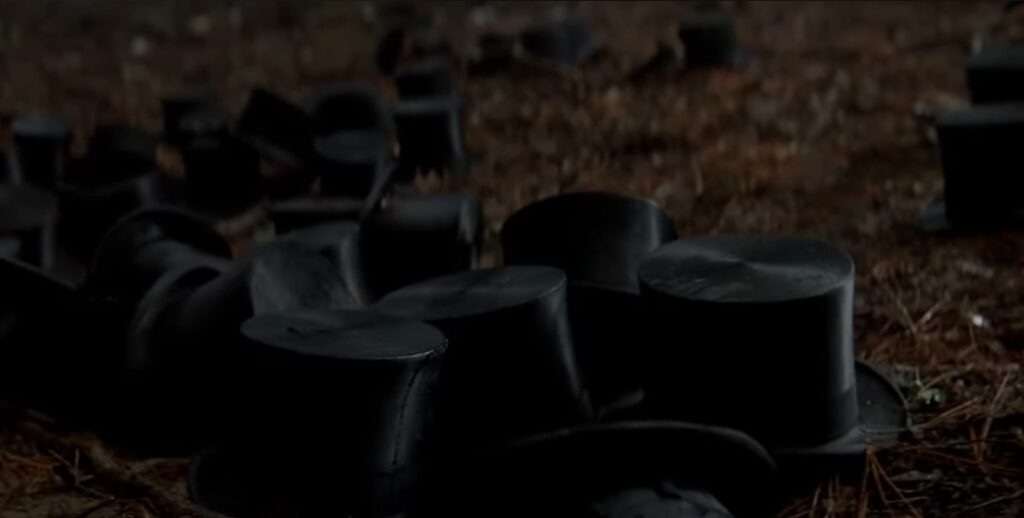
Ask something that challenges the reader’s assumptions or hints at a deeper mystery. The question should hint at the story’s theme or central conflict, like the opening line of The Prestige: “Are you watching closely?”
Give context, but briefly
Creatively set the scene while maintaining intrigue. Keep the details focused so the reader understands where and why the story matters without slowing the momentum.
Build an emotional connection
Here’s an example: “Every night, she set two plates on the table before remembering she lived alone now.” You can instantly sense her grief, and start to feel sympathy toward this woman.
When we recognize ourselves in a character’s thoughts or feelings, we become invested in what happens next.
Hint at what’s already happened or what is yet to come
Stories don’t exist in a vacuum. They are all about change, and the past, present, and future are connected. In your hook, you can allude to your character’s backstory or invite speculation about their future.
Common mistakes to avoid
- Avoid info dumping. Be short and succinct. Explore creative ways to dramatize or disguise exposition.
- Beginning too slowly or too far from the main action should be avoided. The hook needs to flow naturally with the rest of the story.
- Don’t mislead the reader. The hook should match the story you are telling. You can subvert expectations, but be sure to set the right tone. There is a big difference between creating mystery and simply confusing your reader by withholding necessary information.
- Don’t lay it on too thick. Excessive drama without substance will quickly turn away readers.
Your story weapon: Creating an effective hook
Remember, a hook isn’t necessarily limited to a single striking sentence or even a paragraph. It can unfold over a page, a scene, and be rooted in the central concept of the story itself. Some writers layer their hooks, using various kinds in different chapters to re-engage the reader and keep momentum moving forward.
The most effective hooks come from understanding the kind of story you’re telling. A mystery would rely on unanswered questions, while a character-driven story might open with an emotional moment or an action sequence to drive home what’s at stake.
Whatever form it takes, your hook should match the tone and pacing of your story, drawing readers further into that world.
“The first sentence cannot be written until the final sentence is written.”
– Joyce Carol Oates
Finally, the key to creating a compelling hook is to understand that the hook is in service to the story as a whole. This means that you may not fully understand your hook until you have completed your first draft — so don’t panic.
Creating an effective hook is an iterative process. I have seen too many writers languish in their first acts indefinitely, trying to create a compelling opening before moving forward. Don’t make this mistake. This is why my 90-Day Novel and Memoir workshops focus on getting the first draft down quickly. It is only after completing your first draft that you will gain clarity on how to write the most powerful hook.
Ready to craft openings that grip readers from the first line? Join one of my next workshops: The 90-Day Novel, The 90-Day Memoir, Story Day and learn how to build hooks that will pull your audience headfirst into your story.