




Some people think writing journals are only for recording your feelings, venting frustrations, or documenting daily life. But for creative writers, a writing journal can become something far more powerful: a laboratory. It’s a place where stories begin before you even realize you’re writing them.
In this article, I’ll show you how writing journals can sharpen your observation skills, deepen your characters, generate ideas, and help you become a more disciplined writer regardless of your chosen medium. Lastly, I’ll give you a Story Weapon that can transform your journal from a passive notebook into an active storytelling engine.
Writing journals are one of the most underutilized tools in a writer’s practice — not for recording feelings, but for capturing the fragments of observation, dialogue, memory, and curiosity that great stories are built from. The writers who develop fastest are the ones who journal consistently enough to begin seeing patterns in their material, because those recurring themes and obsessions point directly toward the stories only they are equipped to tell.
What is a writing journal?
While a typical journal or diary tends to focus on feelings and experiences, a writing journal can serve many different functions. It’s a place to gather your observations, story ideas, scene snippets, lines of dialogue, inspiring quotes, and work through writing exercises.
You can think of it as a little workshop station.
Some writers keep small notebooks with them at all times, others use voice recording apps, and still others jot down scattered thoughts on nightstand notepads or in their phones after waking from a dream at two o’clock in the morning. It doesn’t matter which method you use, but it’s important to have something nearby to capture those random thoughts.
It comes down to one simple idea: writers are great at observing things. Writing journals assist you in retaining those observations. Trust me, if you don’t write that thought down today, you’ll likely forget it tomorrow.
Why writers need journals
Great ideas don’t come fully formed. They usually begin as fragments.

Maybe it was a weird conversation you overheard in the grocery store. Or perhaps something odd happened to you, and you can’t get it out of your head. A journal lets you hold on to these fragments until they become ideas.
And you have to catch those fragments fast!
“I had an idea yesterday, but it slipped my mind.” How many times have you had this happen to you? It’s like a photographer spotting a unique moment and deciding not to snap the picture.
Patterns in the pieces
There is another reason why journals play an essential role in creative writing: self-discovery.
You begin to see patterns in your ideas.
You spot themes, like betrayal, revenge, loneliness, and family feuds. Why is it crucial? Because your most successful stories tend to spring from your personal obsessions.
The best things to put in a writing journal

Certain kinds of entries tend to produce stronger story material over time.
Observations about people
Writers are students of behavior. The smallest details can tell us something about a person. It could be a person laughing too loudly at a joke, fidgeting while talking, twisting their wedding ring in an argument, or the way a teenager pretends they aren’t crying.
Real people have contradicting features. Journals allow you to capture those contradictions and create more realistic characters.
Dialogue fragments
Conversations in real life rarely sound like those found in movies. People will start saying one thing and switch to another. They will evade answering questions and sometimes repeat words.
If you hear a great line of dialogue from someone, note it. Not because you are going to use it word for word, but because it trains your ear to recognize good dialogue and verbal patterns.
Memories
Memories are powerful tools for creative writers of both fiction and non-fiction. Not because of their accuracy, but because of their emotional truthfulness.
A feeling of being ridiculed as a child. An olfactory reminder of a particular individual. A difficult conversation with a friend. A feeling of sitting idly in the waiting room of a hospital. These and many similar emotional moments offer material to build stories upon.
Dreams
Dreams are powerful machines for generating stories. Most dreams are worthless in their initial form. However, dreams often carry an emotional charge, potent fears, and images of transformation.
There have been cases when some novelists created an entire book based on a singular image from a dream. Dream journals are important since they help capture fleeting moments as you awaken; otherwise, dreams disappear into oblivion quickly.
Questions
Questions are underrated story tools. Try exploring questions in your writing journal, such as:
- What kind of person lies to protect someone else?
- What does success actually cost?
- Why do families repeat destructive patterns?
- What happens when someone gets exactly what they wanted?
Stories begin with curiosity. A journal gives your curiosity a permanent home.
How journaling improves your writing skills

There is a difference in the approach you take to a journal vs. a manuscript, but the act of journaling can still help to develop several essential storytelling muscles simultaneously.
It strengthens observation skills
The majority of people live their lives in a semi-sleep state. Keeping a journal is helpful to note body language, emotions, scenery, and people’s behaviors in a different light.
Observation enriches the world. Observing enriches your writing.
It reduces fear of the blank page
A big problem for most writers is their tendency towards perfectionism.
It prevents them from writing anything at all. With a journal, however, there is no need to be perfect from the beginning. This kind of thinking takes away a lot of pressure and allows the writer to relax.
It helps you discover your voice
Writers fret about discovering their unique voice, but it generally comes automatically through repetition. The advantage of a journal is that it provides room to test out formal writing, emotional writing, stream-of-consciousness, and descriptions.
Patterns will eventually develop in your style, vocabulary, humor, and point of view. Your voice begins to emerge slowly.
It builds consistency
Writing journals generate momentum. Even if you only do one writing exercise, you’re still keeping the creative ball rolling. That’s more important than most people think.
It’s not that writers have difficulty writing due to a lack of ability; it’s that many of them disappear into themselves for long stretches of time.
Writing journal prompts for story ideas

Sometimes writers stare at a blank journal page and freeze. Prompts help. Here are a few you can use to get started:
Character prompts
- Write about someone hiding anger behind politeness.
- Describe a person who desperately wants approval.
- Write a scene involving jealousy without mentioning it outright.
Memory prompts
- Describe your first experience with failure.
- Write about a moment you felt completely out of place.
- Recall a time you misunderstood someone badly.
Observation prompts
- Describe a stranger in detail.
- Listen to a conversation in public and record speech patterns.
- Describe a room that reflects its owner’s personality.
Emotional prompts
- Write about guilt without using that word.
- Describe fear through physical sensations only.
- Explore what loneliness looks like in daily behavior.
Writing prompts train storytelling instincts quietly in the background. You may never use that exact material in your manuscripts, but the practice itself sharpens your creative reflexes.
Common mistakes writers make with journals

Journals should support creativity, not suffocate it. Here are a few traps to avoid.
Trying to sound impressive
There’s nobody marking your journal. Don’t try to write beautifully. Try to learn something. Let your journal be messy. In fact, let it be really messy.
Overthinking structure
It doesn’t have to have well-thought-out categories, complicated design, and strict formatting. While it might help to organize the fragments sometimes, it’s not required. The essential thing is quite simple: observe and write down what you notice.
Only writing about plot
Ideas for stories usually come unexpectedly. A seemingly irrelevant thought recorded right now might transform into a plot point six months later.
Waiting for inspiration
Here comes the most important part. Without a regular practice of journaling your observations and snippets of story ideas, you won’t get most of the advantages it provides.
It’s not only about creativity, it also takes discipline. Some days you’ll feel bored writing in your journal. Sometimes it won’t make sense at all. And that’s OK.
How famous writers used journals
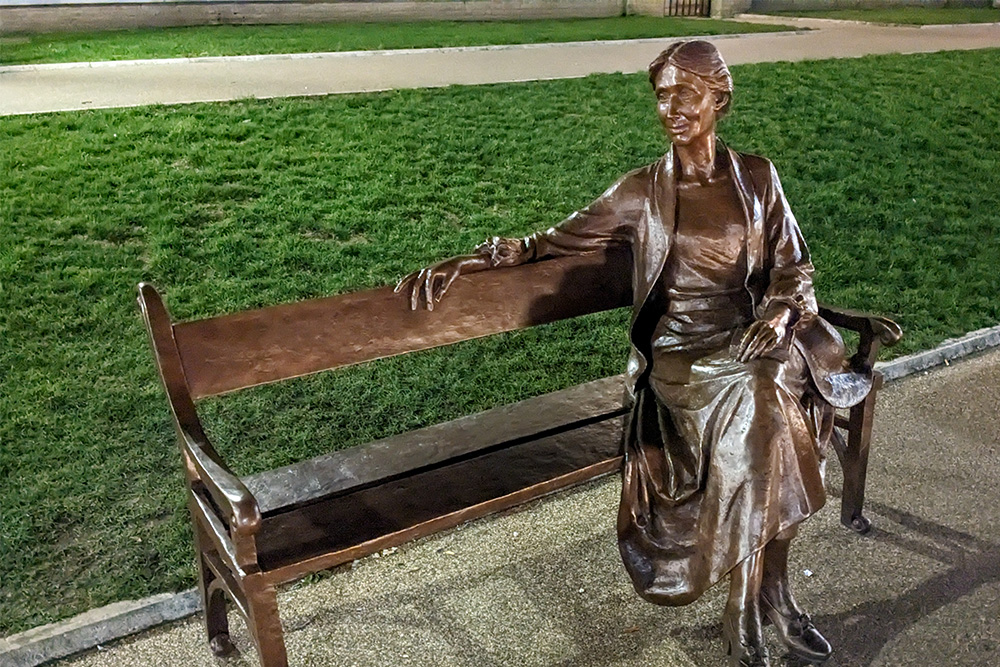
Many great writers kept journals obsessively.
Virginia Woolf used journals to process ideas, emotions, and observations that later shaped her fictional works.
Joan Didion, considered one of the pioneers of New Journalism, kept notebooks filled with overheard conversations, impressions, and emotional fragments.
Franz Kafka filled journals with dreams, anxieties, philosophical reflections, and unfinished story concepts.
What’s interesting to note here is that their journals weren’t polished. They were exploratory spaces. Messy thinking spaces. That’s exactly what makes journals valuable.
Turning journal entries into stories
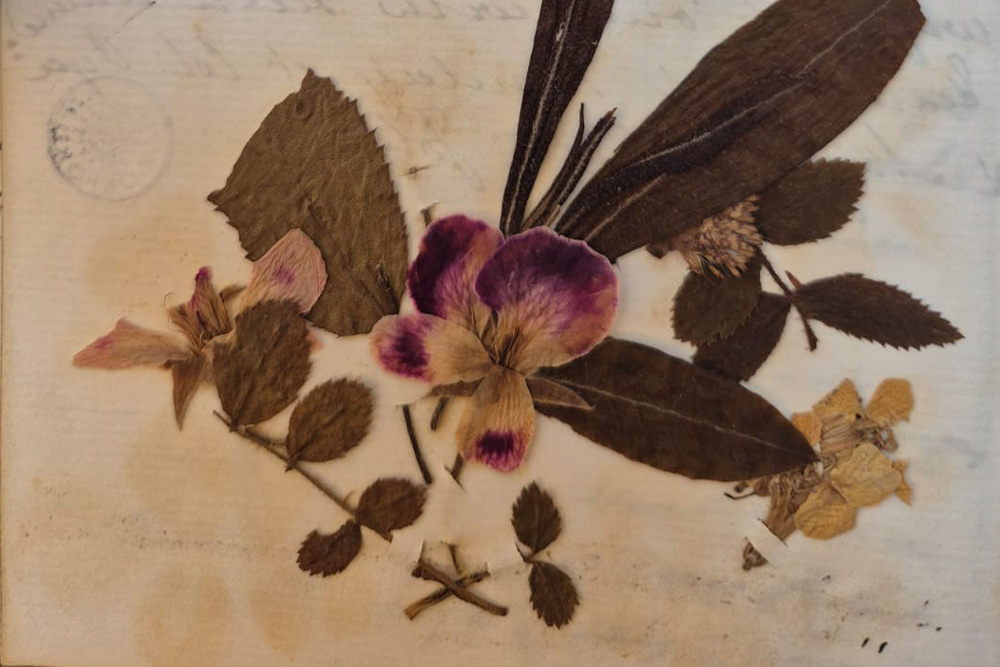
A journal entry becomes useful material when you begin asking deeper questions. Let’s say you write down this observation:
A man sits alone in a restaurant pretending to read while repeatedly checking the door.
That’s not a story yet, but now you can ask:
- Who is he waiting for?
- Why are they late?
- What happens if they never arrive?
- What secret is he hiding?
- What emotion is underneath the waiting?
Storytelling begins when curiosity expands. A journal captures sparks. Your imagination builds the fire.
Your story weapon: The “emotional echo” journal method
Most writers record events. I’d like to encourage you to record emotional echoes instead. Here’s how it works.
At the end of each day, write down:
- one moment that stayed with you emotionally
- the exact feeling attached to it
- the physical details surrounding it
- why you think it affected you
For example:
- A cashier avoiding eye contact
- A tense silence during dinner
- A child trying not to cry in public
- A strange feeling while driving home at night
Then ask yourself: “What story lives underneath this moment?” This method trains you to think like a storyteller instead of merely a recorder of events.
And that shift is powerful. Great stories rarely come from dramatic plots alone. They need to speak to universal emotional truths to connect with your audience. Your writing journal is where you learn to recognize it.
A writing journal can help transform your observations, memories, and curiosity into compelling stories. To build a sustainable creative practice and develop your craft alongside a supportive community, join one of my next workshops: The 90-Day Novel, The 90-Day Memoir, Story Day.