


All stories have some magic in them. On one end of the spectrum, you have stories spanning across galaxies with space wizards and swords made of light. On the other, you have gritty detective stories, where the magic is less in the weapons they use and more in the way that kindness suddenly appears in the dark alleys of the city.
Literary critics have debated and defined these types of stories into different genres and sub-genres. Let’s see if we can simplify some of those today by looking at the differences between high fantasy and low fantasy. In this article, I will go over the basic elements that make a fantasy story considered to be high or low, give examples of both, and offer you some tips on how to create a compelling high or low fantasy story of your own.
High fantasy takes place in entirely invented worlds with their own rules, physics, and magic systems, while low fantasy grounds magical elements in our real world or one very much like it. The key difference lies in scale and setting: high fantasy offers total escapism through new realities, while low fantasy heightens the familiar by letting the magical intrude on everyday life.
Definitions of high fantasy and low fantasy
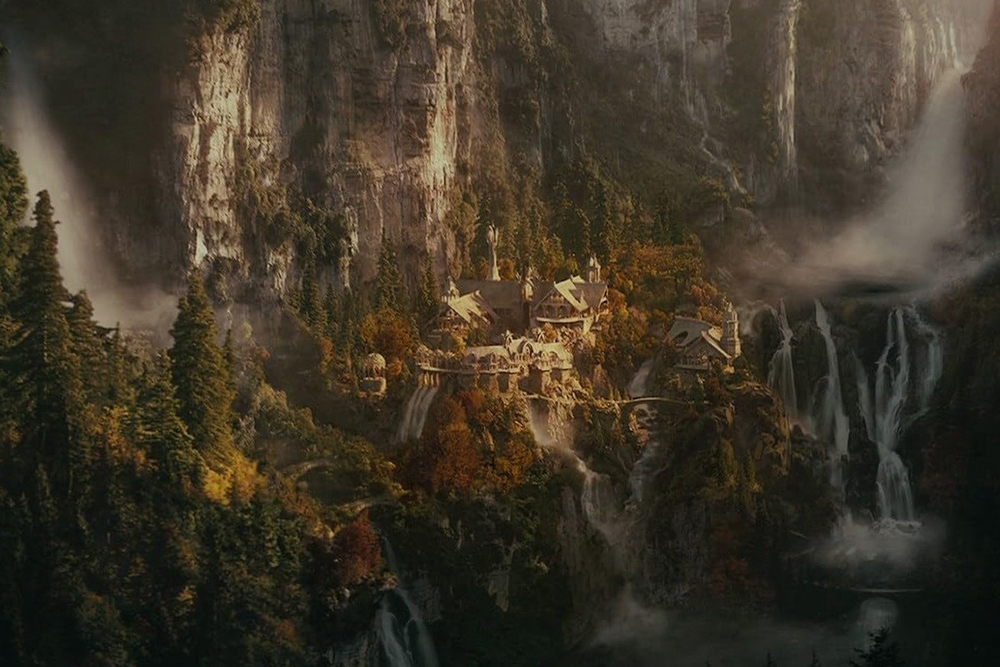
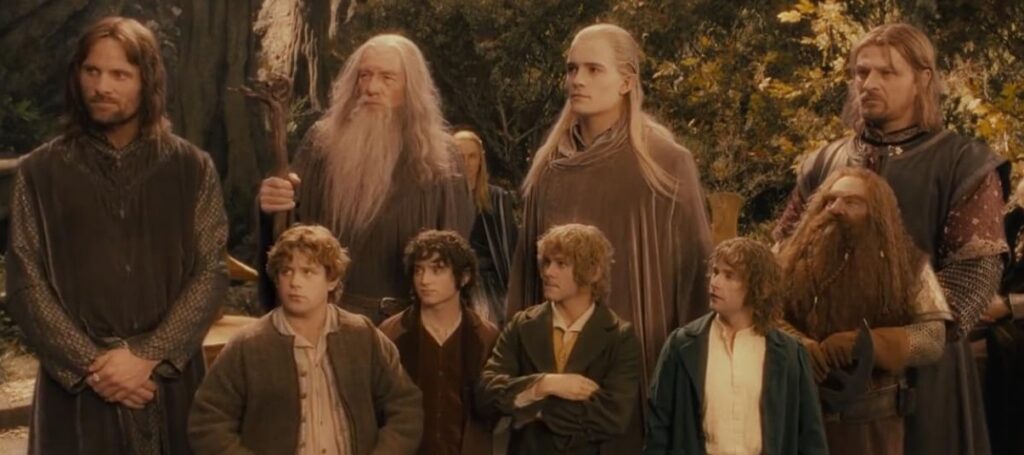
High fantasy is a sub genre of fantasy stories that is set in a fictional world different from our own with its own rules and logic. (For example, Mistborn, The Lord of the Rings, A Song of Ice and Fire). These stories often involve world-altering conflicts, heroic figures, powerful magics, and distinct races. J.R.R. Tolkien’s works have been credited as the foundation upon which all other modern high fantasies are modeled. Not all high fantasy stories hit those marks, however, and can include some low fantasy elements.
Low fantasy (sometimes classified as urban fantasy) takes place on Earth with fantasy elements intruding on or influencing the world we know, or a world very much like Earth. (For example, Stranger Things, Supernatural, The Lightning Thief). These stories tend to have more grounded characters with realistic struggles as they maneuver between the magical and mundane.
To better understand how writers approach these ideas, let’s unpack what makes a high fantasy reach its heights and what makes a low fantasy tap into the deep roots of the Earth.
“Fantasy, abandoned by reason, produces impossible monsters; united with it, she is the mother of the arts and the origin of marvels.”
– Francisco Goya
Tips for high fantasy
A new set of rules
One of the hallmarks of the high fantasy genre is a logic unique to that world.
As we approach our own understanding of reality, we can come to appreciate that there’s a way things happen in our own world. If you plant something, it takes time to reap what you’ve sown. If you throw something up, it’s sure to come down. We share these insights with each other in the form of common sayings, proverbs, and reminders to use common sense. When you open the pages of a fantasy book, you’re given the delight of appreciating a place where your Earthly common sense might not get you very far.
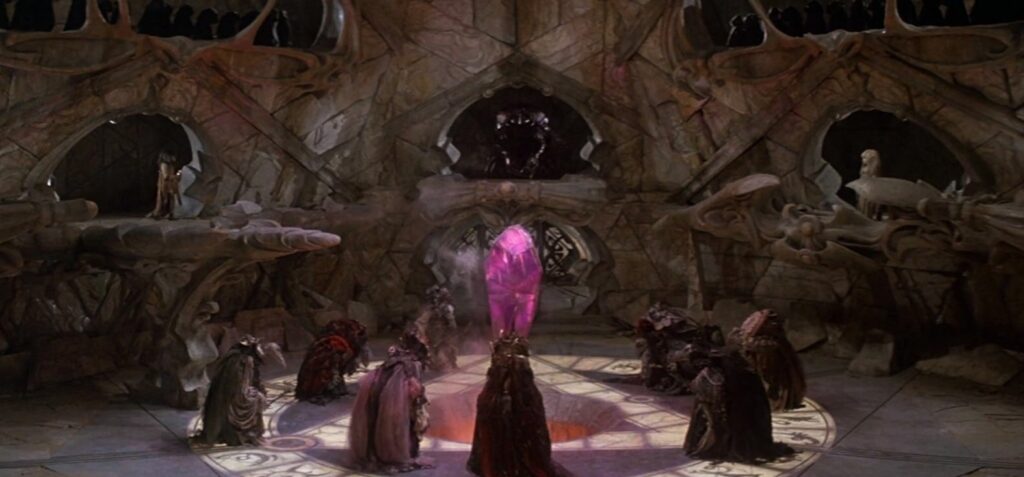
In the best high fantasy stories, there’s a completely unique set of rules to the way things work. It might be a new sort of physics, an interesting set of customs, or a system of magic. It’s a great joy to experience this sort of altered reality through the eyes of your characters.
For example, in the Stormlight Archives series by Brandon Sanderson, Gravity itself can be manipulated through magical “lashings,” allowing characters to walk on walls or “fall” sideways. In The Goblin Emperor by Katherine Addison, court etiquette is extraordinarily complex, and social missteps carry real consequences.
Learning through the eyes of the main character
The protagonists of these sorts of stories are often young students or outsiders, and it is through their learning of these rules and customs that the reader gets to learn them as well.
Once we understand how things work in a high fantasy story setting, we get to experience moments of insight without the author holding our hand. For example, knowing what it means when Bilbo’s sword Sting glows.
High fantasy example: The Kingkiller Chronicles by Patrick Rothfuss
Set in the fictional continent of Temerant, there are two main types of magic in this series. There’s Fae magic, which humans don’t normally get to access. Then there are the arcane arts, which can be taught and learned by people. The story’s protagonist, Kvothe, spends a lot of the first book exploring and learning arcane arts. To make this happen, Patrick Rothfuss had to come up with a consistent ruleset for Kvothe (and the reader) to learn, test, and break. It gives us some great story moments that flesh out Kvothe’s character.
Here’s an excerpt in which he has to go through mental strengthening exercises to learn sympathy, a type of arcane magic that bends the rules of reality:
He also taught me a game called Seek the Stone. The point of the game was to have one part of your mind hide an imaginary stone in an imaginary room. Then you had another, separate part of your mind try to find it. Practically, it teaches valuable mental control. If you can really play Seek the Stone, then you are developing an iron-hard Alar of the sort you need for sympathy.
Coming up with a magic system (though few are as detailed as Rothfuss’ work) is like building the playground that your characters will get to play in. The bigger the structures, the more they’ll have to climb and the higher they might fall. The more varied the structures are, the more your characters can find creative ways to explore the world. That’s a few hundred pages right there alone.
The system also gives us character arcs and twists, like a reveal that certain characters are only pretending to do magic. By setting up these rules and letting his characters try to break them, Rothfuss makes the heroes and villains unique.
We can think of high fantasy stories as a chance to leave the heavy gravity of Earth. A big part of the fantasy genre is escapism; it’s nice to step into the shoes of a character who can levitate when the real world is full of dishes to wash and forms to fill out. The beauty of high fantasy is that, despite the wild and magical elements, the best stories are still mirrors of our real, lived experiences. We can easily forget about magic wands and spells, but love, courage, and adventure keep us coming back for more.

Tips for Low Fantasy
Takes place in or starts from our world
Here you have the advantage of a premise that you know well: the story takes place on Earth. Though magic and fantastical elements are a welcome part of the story, the setting is familiar. The “normal” parts of the world serve to make the magical parts more interesting. After all, being able to fly isn’t a superpower unless everyone else is walking.
You know the rules of this world and you’ll have an idea of how the existence of these new magic elements would upset, challenge, or change the world that the characters inhabit.
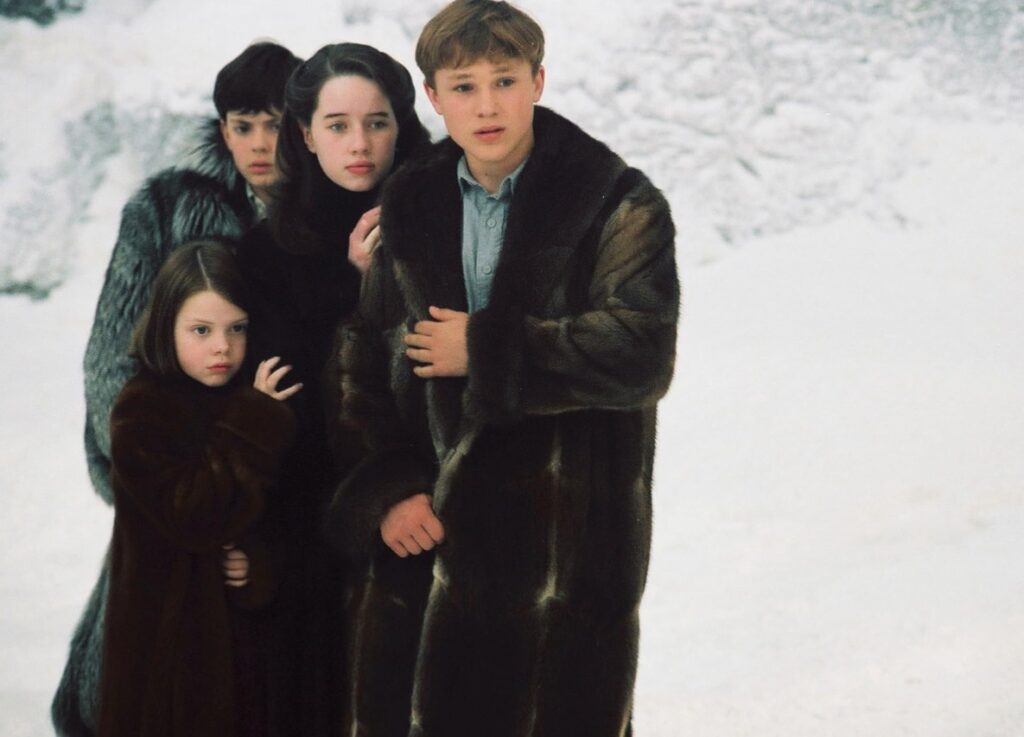
Low fantasy stories can also include situations where someone begins the story in our world and is transported to a more high fantasy setting, such as The Chronicles of Narnia series. We see the new world through the eyes of characters who came from our reality, and this sets it apart from a high fantasy story where everyone is a natural inhabitant of Middle Earth or wherever the story takes place.
Difference between low fantasy and magical realism
A low fantasy introduces magic as an unexpected intrusion or a hidden system within our world, and often requires learning how to use or access that magic such as we see in the Harry Potter series. This is slightly different from magical realism, in which magical or supernatural elements such as ghosts are assumed to be part of our reality. Magic is treated as something mundane in magical realism.
Magic is a relatively small element in magical realism, like the remote in the movie Click starring Adam Sandler. Everything about his world is normal, except the magical remote that he encounters. It doesn’t require learning any new skills to use the remote, and it’s never explained where it came from. It’s just there. The way he uses this new magical item provides the mechanism for the story to unfold. All of the mistakes he makes with the remote and the moments of bravery are all very human.

Low fantasy example: The Skulduggery Pleasant series by Derek Landy
Here you’ll find a rich world of sorcerers and monsters just underneath the surface of our normal world. The main character, Stephanie Edgley, goes from being an ordinary girl lost in both worlds to becoming the powerful sorceress Valkyrie Cain.
The low fantasy elements play into several plot arcs, like protecting her family from the dark mystical forces in this secret world and creating a doppelganger to live her normal life (obviously, that backfires). It also gives the story a grounded sensibility, which helps us understand a character like the titular Skulduggery Pleasant. He may be a living skeleton, but he also dresses like a noir detective and carries a revolver. Because we’re familiar with those elements, we can more easily entertain the fantastical parts of the story.
Ready to decide where your magic belongs? Join my next 90-Day Novel workshop and learn how to shape high or low fantasy worlds that feel vivid, intentional, and impossible to forget.