


If you’ve found yourself enchanted by tales of a bygone era, you’re likely a fan of historical fiction.
In this genre, the imagination of the present meets the romance of the past. Whether you’re writing an ancient Egyptian tragedy or a murder mystery set in Soviet Russia, there are a few guidelines you should know to help bring your story to life.
In this article, I’ll explain the key steps to crafting compelling historical fiction, guide you through the research process and how the limitations of the past are your best friend. Finally, I’ll give you a Story Weapon to help unlock the potential in your own work. Let’s get started.
Writing historical fiction is about being a “time-traveling explorer” rather than a historian, focusing on the specific details and social silences that affect your characters’ lives. By embracing the limitations of the past and letting character dilemmas drive the narrative, you can transform dry facts into a compelling, lived experience.
Approaching the research
For some, the research required for writing historical fiction is an exciting invitation. For others, it’s just intimidating. If you’re in the latter group, don’t worry. It’s more fun than it might seem.
When you’re researching an era that serves as the setting of your story, it’s important to understand it’s not your job to be a historian. Even if that’s your day job, it isn’t your primary responsibility when writing historical fiction.
Instead, think of yourself as a time-travelling explorer. Follow your curiosity like a field researcher, roaming the dusty streets for any details you’ll need later. You don’t have to know the intricacies of the plumbing systems, unless that excites you or features directly in your story — which is the key.
Focus on the parts of the world that your story will touch
The way the buildings look, or if there are any, is important. The way people lived, the things they believed, the stories they told each other, etc.

With the right attitude, this won’t feel like a homework assignment so much as a vacation in the past. You’re fleshing out the possibilities for your imagination to soar through as you research.
Where to start
Make a list of basic questions relevant to your chosen era, and answer those first. Then let your curiosity guide the rest.
Here are some examples:
- What did people eat, and how did they get their food? Who prepared it, and what did a meal together look like?
- What did people wear, and what did clothing signal about who they were? What could you tell about a person from across the street before they ever opened their mouth?
- What did people fear? Not in the abstract, but specifically. Disease, famine, war, their neighbors, the government, something supernatural?
- What did people believe about the world, the afterlife, and their own place in the order of things? What happened to those who believed differently from the majority?
- How did people travel, communicate, and conduct their ordinary business? What was difficult that we now take for granted?
- What did power look like, and who had it? What happened to the people under them?
- What were people not allowed to say out loud, and how did they say it anyway?
That last question is worth lingering on. Every era has its silences, the things that were felt but not spoken, the arrangements that everyone understood and nobody named. Those silences are often where the most interesting stories live. A character navigating what cannot be said openly in their world is a character with a dilemma (and the dilemma is the engine driving your narrative.)
“Historical fiction is not only a respectable literary form; it is a standing reminder of the fact that history is about human beings.”
– Helen Cam
Creativity in specificity
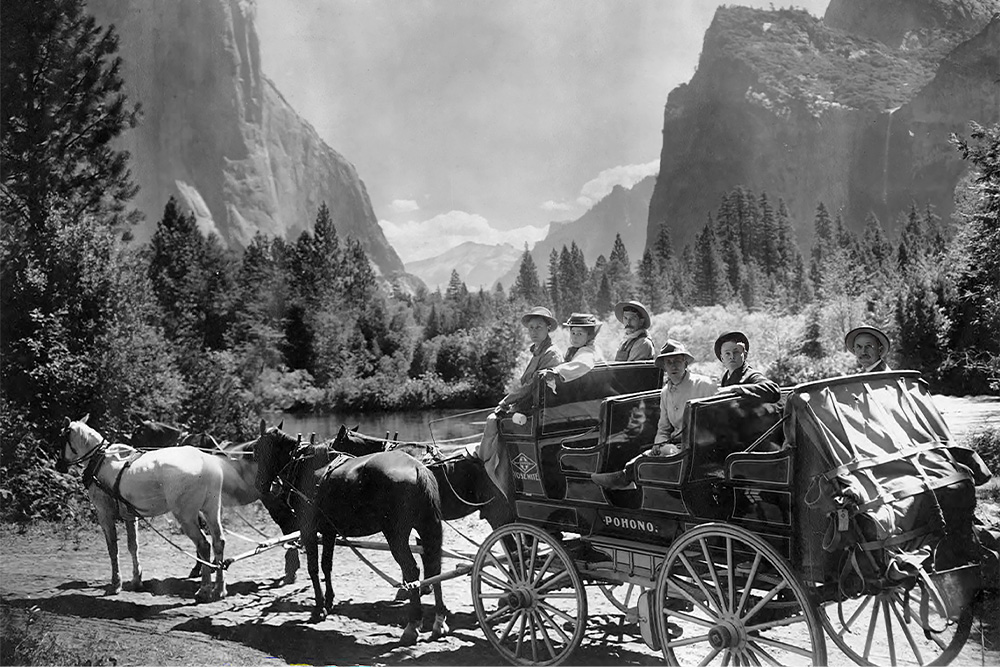
The limitations of the world in your chosen time period will provide structure to your work.
We go to the airport to travel and that’s where dramatic pronouncements of love often happen in stories. What’s the equivalent of that in your era?
Voyages by steamship or rail are more than just backdrops for the story. They are vehicles (no pun intended) of action in the plot. A caravan breaking down in the frontier is an opportunity for something interesting to happen. Your characters can’t just call for roadside assistance. They’ll need to get creative.
Try to imagine how your life would translate to the era of your choosing. If you’re a middle-class office worker, for example, what would your day look like in Ancient Egypt? If you work on cars in a garage all day, what would that translate to in the American Gilded Age?
These details are opportunities to enter the world of your story rather than simply observe it from the lens of a textbook. It informs the characters your protagonist meets, as well as the ones they can’t easily meet. Give them a reason to need someone from the latter group and you’ve got the makings of a potential plot.
The goal of this step in the process is to narrow the lens.
Your research and imagination have given you a number of possibilities. The limitations of the world and the choice of where your characters fit into it will help focus the story into something you can write.
This is the main work of the writer. Open to infinite ideas, you channel and simplify the ones you can catch. Through your voice, your perspective, and your style, the idea finds meaningful expression.
Your story weapon: Trust your characters
Okay, you’ve done lots of research, but you still feel like you aren’t quite ready. That is normal. But here are two things to remember:
- Your imagination knows far more than you think.
- Your story is not about research, it is about characters in relationship to each other.
In other words, you don’t need to know every detail about the world in order to write your first draft. You’ve given your characters the means and the motives for their actions. Their station in society and the opportunities that call to them are all you need for the story to take place. With the structure around them clear, you can set your characters loose.
While historical fiction often seems to impose a burden of realism, the imagination and freedom you would find in fantasy is perfectly at home here. In fact, it’s why people read historical fiction. There are textbooks for the rest.
Plot is a consequence of character, not the other way around. The premise of your story gives you the ingredients to craft their dilemma. The central dilemma of the story is a problem that can’t be solved without creating a new one. That might be a burning ambition, a pending conflict, or an irresistible invitation to high society.
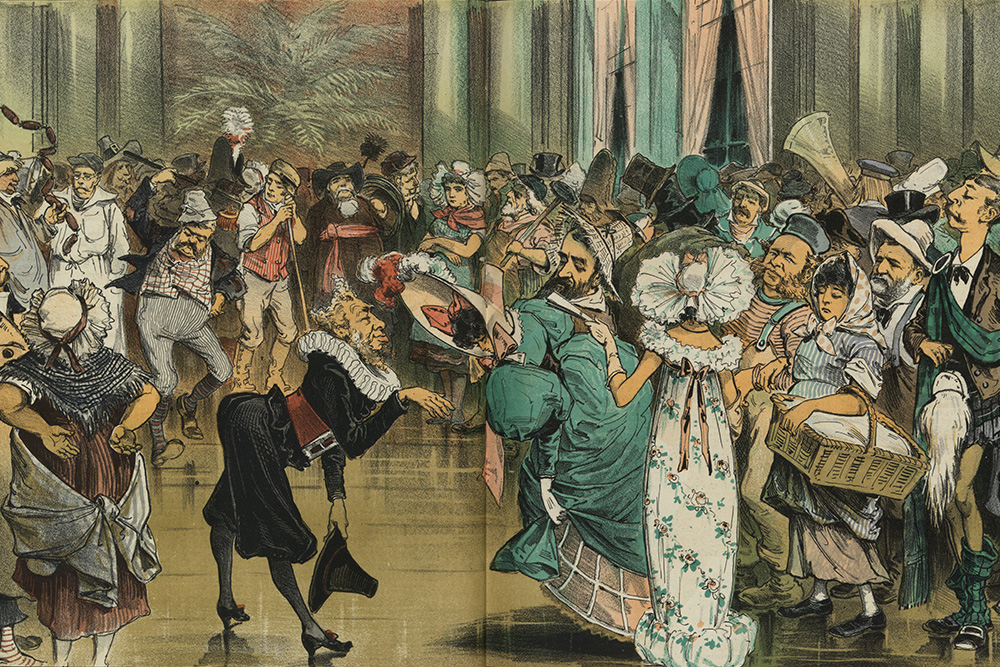
Make sure you know your characters well and let them lead you to the parts of the world that need them. Though it’ll feel different, this is pretty similar to letting your curiosity guide you in the research step. Dressed in the clothes of your characters, your curiosity can take on different forms and explore the nooks and crannies of this era.
If you run into a dead end, you can always take a break to do more research or retrace your steps. A great story has events that seem inevitable, thanks to the choices the characters must make as a consequence of their dilemma. There may be an aspect of the era that needs more detail in your imagination. There could be a path not taken along the way that will lead to more growth for your character.
Remember that character suggests plot, and that once you have a first draft down, you will have an opportunity to rewrite it, and will be armed with more clarity on what needs to be researched to make your historical fiction as accurate as possible.
Historical fiction demands both imagination and discipline. It takes the ability to balance research with storytelling and transform facts into lived experiences through your characters. To develop stories that feel both grounded and alive, join one of my next workshops: The 90-Day Novel, The 90-Day Memoir, Story Day.