
Humor in Writing

Humor in Writing
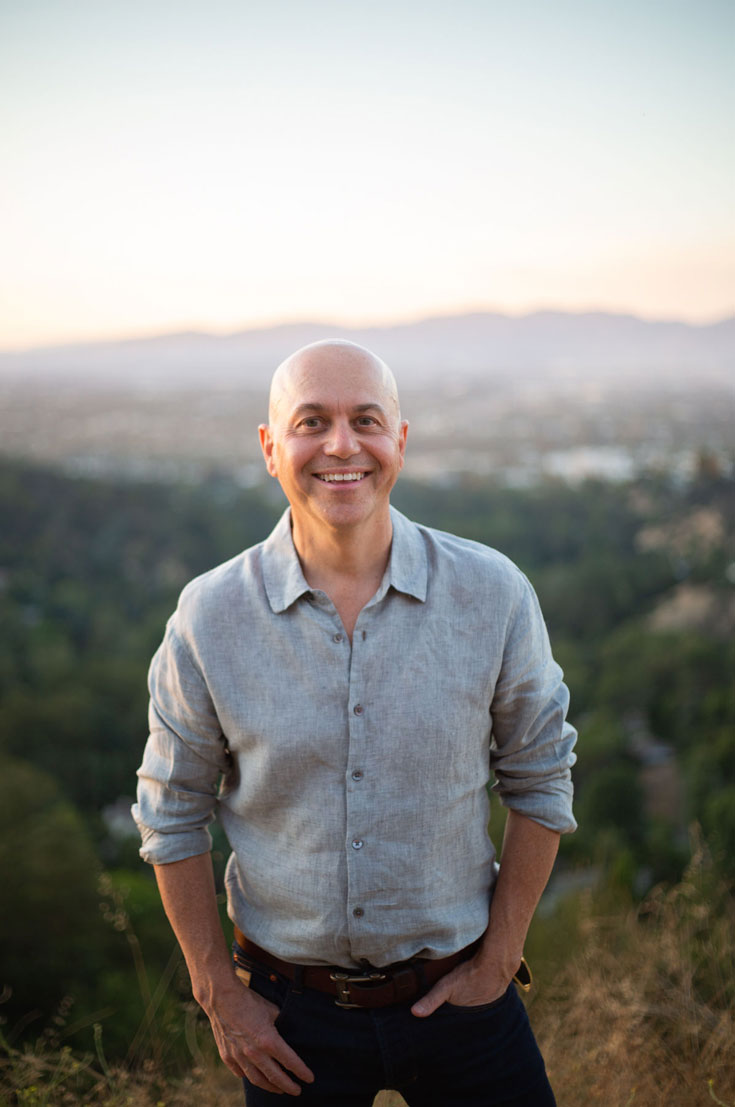
Alan Watt with L.A. hills behind

Alan Watt

Table of Contents

write 100 words a day
win a Tuscany retreat

explore upcoming
writing workshops

finish the day with a completed outline

There is nothing less funny than writing about humor. I was a standup comic for years. Every once in a while after a show, some dude would come up to me wanting to discuss my act. I’d cringe while listening to the person attempt to intellectualize the mysterious process of getting laughs. And now, here I go.

Humor isn’t about telling a funny story. It’s not relegated to a genre, but is about finding the irony and the contradictions inherent in the human experience.  

It is the sign of a curious and insightful writer. I don’t mean one-liners. I’m talking about having a emotional sense of your story, of appreciating the madness of life and approaching it with a certain detachment. If the story is grim and the voice is entirely grim, playing the same haunting note, we are unlikely to be moved. We need air. Humor connects us and ironically allows us to plunge deeper into the drama. Shakespeare was vitally aware of this. Humor opens our hearts and draws us in so that we can truly be affected by the story. 


Learn more about marrying the wildness of your imagination to the rigor of structure in The 90-Day Novel, The 90-Day Memoir, or The 90-Day Screenplay workshops.

 

Alan Watt with L.A. hills behind

Alan Watt

Writing Coach

Alan Watt is the author of the international bestseller Diamond Dogs, winner of France’s Prix Printemps, and the founder of alanwatt.com (formerly L.A. Writers’ Lab). His book The 90-Day Novel is a national bestseller. As Alan has been teaching writing for over two decades, his workshops and the 90-day process have guided thousands of writers to transform raw ideas into finished works, and marry the wildness of their imaginations to the rigor of story structure to tell compelling stories.

unlock the story within

Join my newsletter for writing ideas and news on upcoming workshops.

Related posts

extended metaphor

Extended Metaphors: Turning Simple Comparisons into Lasting Impact

Metaphors are one of the first additions to our writing toolbox, usually paired with the simile in our high school...

Prologue

What is a Prologue? How and When to Use One

Occasionally, tucked somewhere between an introduction, epigraph, and dedication, a book might have a prologue. This is the story before...

theme in literature

Theme in Literature Explained (With Examples & Tips)

Theme is a mysterious and often misunderstood term. Simply put, a theme is a unifying or dominant idea explored in...