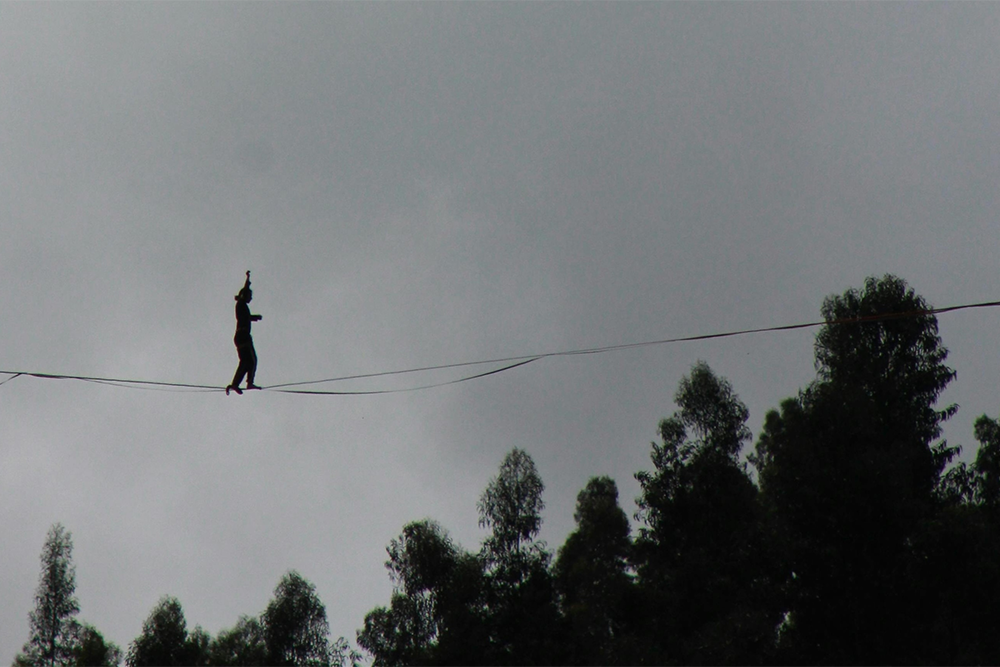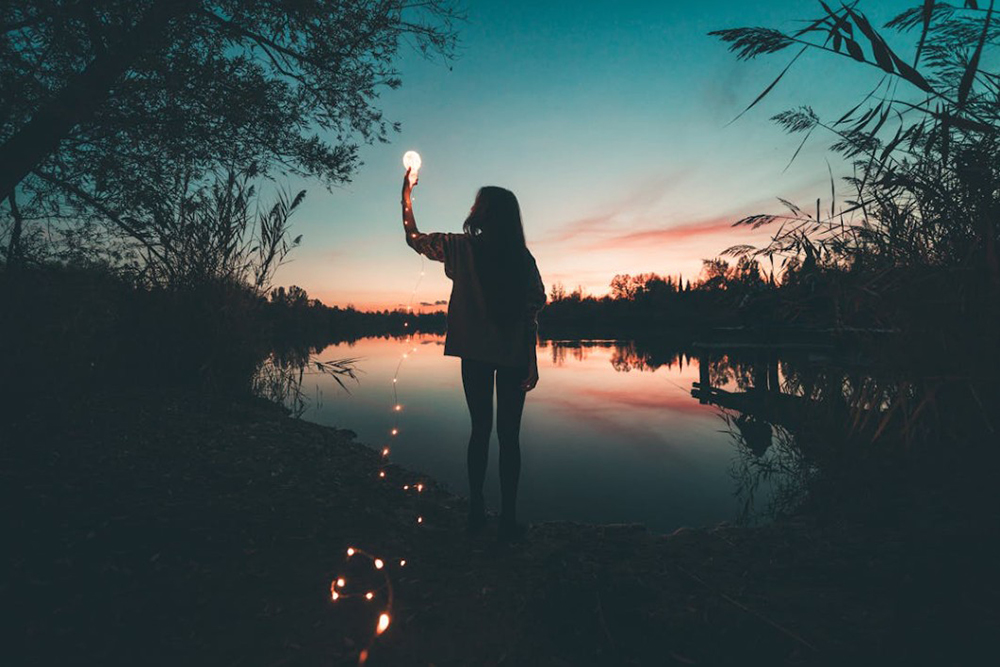
Magical realism invites the impossible into the ordinary. This genre asks us to accept the fantastical without question. The supernatural appears alongside the everyday not as a spectacle, but as fact. Here, you might find ghosts sharing space with the living, time bending, and miracles arriving with no explanation. Rather than escaping reality, magical realism deepens it through more subtle magic to reveal something about us.
All of us, at some time or another, witnessed a bit of magic in the mundane. That moment might’ve come in early childhood, when you swore you could see fairies by the brook or heard things moving about in the night. Maybe you had a dream that came true, or experienced a memory that didn’t seem to belong to you. For some, this continues into adulthood. The phone rings and you know someone has died before you answer the call. Something you lost suddenly randomly appears where it couldn’t possibly have been.
In this article, I’ll explore what lies at the heart of magical realism, give you some examples, and offer you a Story Weapon to discover how to create magic realistically!
Magical realism blends the ordinary and the impossible, presenting subtle supernatural elements as an unquestioned part of everyday life to reveal deeper emotional, cultural, or psychological truths. Rather than escaping reality, it uses quiet magic to illuminate the mystery already hidden within it.
Definition of magical realism
Magical realism blends realistic settings in an otherwise normal world with minor magical or supernatural elements.
A German art critic named Franz Roh originally coined the term to describe a rising form of art in 1925. He celebrated the return to realism with fantastical or dream-like subjects over more abstract art. Roh defined magical realism as a type of art form in which “the mystery does not descend to the represented world but rather hides and palpitates behind it.”
Magic is not intruding here so much as quietly co-existing with it. This magic is never explained or even highlighted, simply accepted as a natural part of the world by the narrator and characters living in the story.
“When people use the term magic realism, usually they only mean ‘magic’ and they don’t hear ‘realism’, whereas the way in which magic realism actually works is for the magic to be rooted in the real. It’s both things. It’s not just a fairytale moment. It’s the surrealism that arises out of the real.”
– Salman Rushdie
Key characteristics of magical realism
- Realistic setting: Grounded in recognizable, contemporary reality.
- Magical elements: The supernatural or impossible occurs seamlessly.
- Unconcerned tone: Characters often don’t question or explain the magic; it just is.
- Social/Political commentary: Frequently used to critique society or explore identity, especially in postcolonial contexts.
Not Quite Fantasy
Although the existence of magic here might remind you of a high fantasy or low fantasy story, magical realism has some fundamental differences.
In fantasy and science-fiction, we’re often transported to a place that is very different from our own seemingly mundane reality. The action takes place in the halls of Hogwarts or on the streets of Mars.
In the words of Luis Leal, a writer and critic, magical realism: “doesn’t create imaginary worlds in which we can hide from everyday reality. In magical realism, the writer confronts reality and tries to untangle it, to discover what is mysterious in things, in life, in human acts.”
Examples from books and film
One Hundred Years of Solitude by Gabriel García Márquez
In this story, a character calmly ascends into the sky while hanging out laundry. The event is described with the same matter-of-fact tone as the daily chores, making the miracle feel strangely normal.
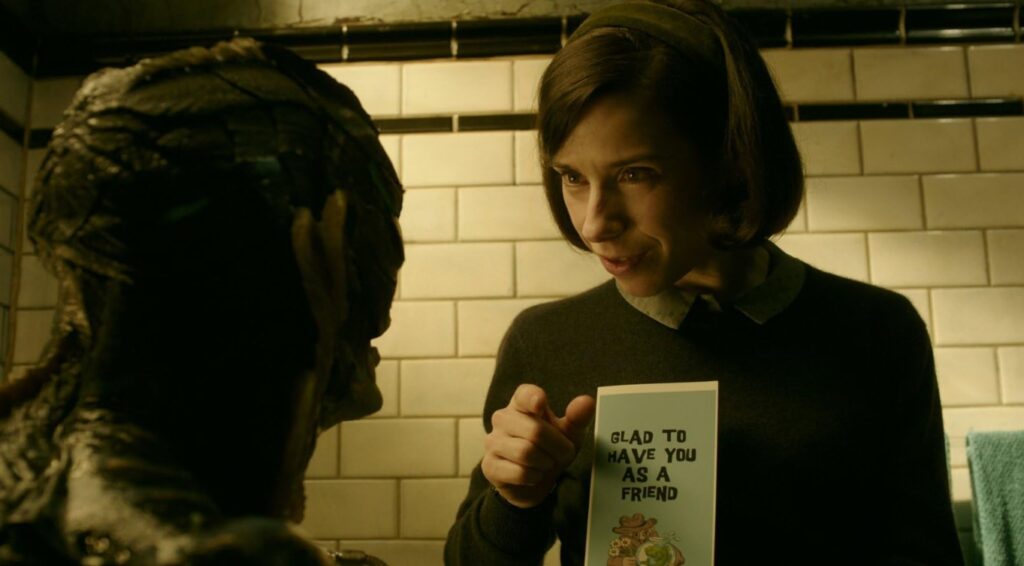
The Shape of Water (2017)
A mute woman falls in love with an amphibious creature in a cold, government laboratory. The story treats this extraordinary relationship with tenderness and realism while exploring themes of otherness, hidden beauty, and connection.
Like Water for Chocolate by Laura Esquivel
Tita’s emotions flow into her cooking, causing the people who eat her food to feel overwhelming waves of sadness, longing, or passion. The magical effect grows directly out of human feeling rather than some form of spellcasting.
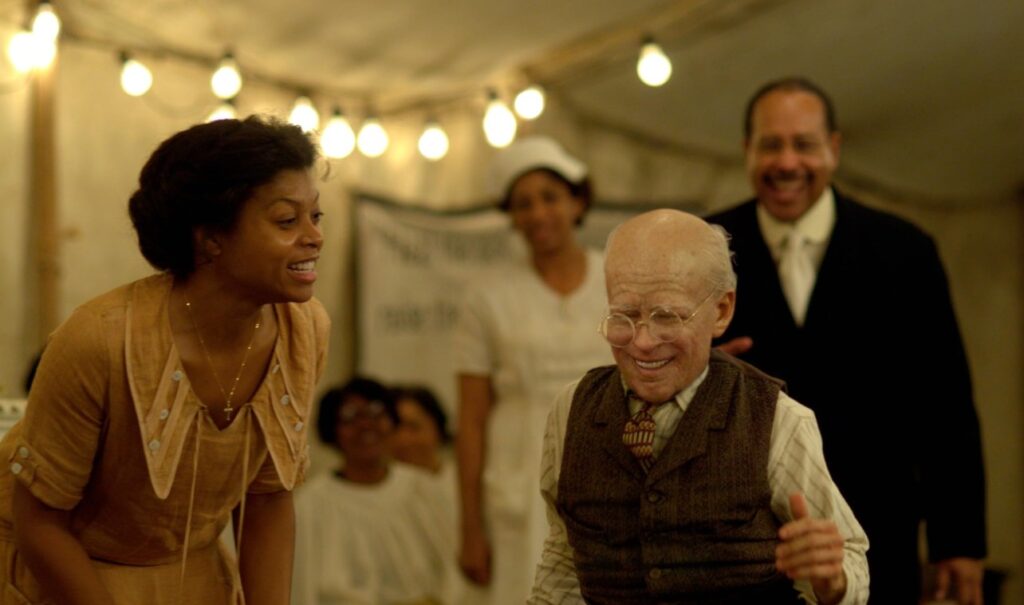
The Curious Case of Benjamin Button (2008)
Benjamin Button ages in reverse, born in the physical form of a shriveled elderly man and growing younger instead of older until he dies as a baby.
Beloved by Toni Morrison
The ghost of a dead child haunts a family’s home as a physical presence, blending trauma and memory with the supernatural in a way that feels inseparable from reality.
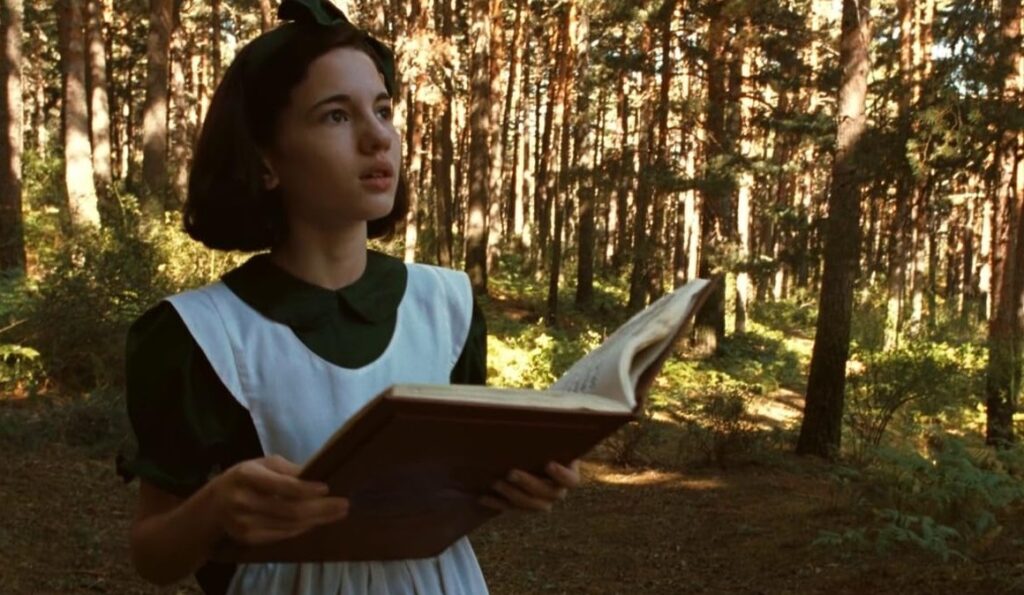
Pan’s Labyrinth (2006)
Ofelia moves between the brutal reality of post–Civil War Spain and a dark fairy world, where magic reflects her inner struggle and emotional survival. This example heavily incorporates elements of low fantasy, but blurs the lines between the Fae and the historical setting as they overlap and influence each other.
Purposes of magical realism
In an interview, Gabriel García Márquez had this to say:
The tone that I eventually used in One Hundred Years of Solitude was based on the way my grandmother used to tell stories. She told things that sounded supernatural and fantastic, but she told them with complete naturalness […] What was most important was the expression she had on her face. She did not change her expression at all when telling her stories and everyone was surprised. In previous attempts to write, I tried to tell the story without believing in it. I discovered that what I had to do was believe in them myself and write them with the same expression with which my grandmother told them: with a brick face.
The fundamental argument in a work of magical realism is that magic already exists, right where we stand. The existence of reality itself is magic and there are wonders hidden in the everyday obstacles we face.
The goal of magical realism is to awaken to the hidden aspects of reality. Our inner worlds are rich with imagination, motifs, and strange ideas. These manifest in our conversations and the way we work.
The magic of the world isn’t something that (for most of us) is readily apparent when we apprehend it with our eyes. It’s the mix of mind and memory, dream and matter. A work of magical realism is a way to express and discover the parts of your existence that suggest the mystery and draw you into something deeper.
Your story weapon: Finding magic in your reality
It’s easy to miss the magic around you. You might be wondering, “How do I find the magic in my daily life?” We’re not always talking to magical frogs or chasing mysterious people with clothes from the future. Most of the time, we’re filling spreadsheets or taking out the trash. That’s hardly an adventure worthy of Jorge Luis Borges. Don’t worry, there’s more magic in your life than you think!
One way to find an entrance into an altered reality, at least one that you can express in a work of magical realism, is to think about the moments in your life where you felt the door open. When we fall in love, when we risk something, when we fail or are surprised by something — these are moments our minds struggle to rationalize. Grief can have this effect, as all unexpected changes do. Think about how you acted in those moments and what you felt change in you. These are great things to explore in magical realism, because the outside perspective of what happened to you just doesn’t capture the truth of the matter. In moments of great pain and change, we see something new.
The surreal, odd, and mysterious aspects of your existence are often waiting for discovery in your subconscious mind. Our waking minds capture and engage with a part of reality, but our surface thoughts are usually focused on the things we need to keep the lights on. In the subconscious, the hidden parts of our psyche lurk. Tapping into your subconscious and connecting with your shadow can be a little intimidating, but also exciting! You might try keeping a dream journal and seeing if you notice patterns emerging there. Or you can try meditating and exploring nature. When the mind is less jittery, you can entertain deeper truths.

Whatever you do, let your foray into magical realism be an invitation to adventure. It can be tempting to get too wrapped up in literary theory and definitions of what makes a story specific to a genre. Instead, let the work of magical realists like Borges, Rushdie, and Kafka be your guidebooks into the places where imagination and reality meet.
If the impetus to find magic is in you, that’s just you hearing the call. The journey begins when you ask yourself who or what is calling you, beckoning you forward in your search for magical realism.
Join my next 90-Day Novel workshop to explore how magical realism can deepen your storytelling. Transform the ordinary into the uncanny, and craft a narrative where reality and wonder quietly coexist.