

Have you ever read a scene that made you uneasy, while nothing bad was happening? Or perhaps you read a narrator who seemed funny and optimistic, while describing something quite tragic. That’s what happens when mood and tone are working together.
These two literary terms are often used interchangeably, but they’re not quite the same.
In this article, I’ll explain the difference between mood and tone, show you how each works, explore examples from literature, and share some practical techniques for using both more effectively in your own writing. Lastly, I’ll give you a Story Weapon to use in shaping the emotional experience of a scene.
Let’s start with tone.
Mood vs. tone comes down to who’s feeling what: tone is the narrator’s attitude toward the subject, while mood is the emotional atmosphere the reader experiences. Tone comes through diction, sentence structure, and narrative voice; mood is built through setting, imagery, pacing, and sensory detail. Novels like To Kill a Mockingbird and 1984 show how a single tone can produce a very different mood, and how the two work together to shape a reader’s experience.
What is tone?
Tone presents the attitude of the author or the narrator in relation to the characters, situation, or object being described.
Tone is not generally stated explicitly but you can express it through your choice of words, sentence construction, and the narrator’s point of view in the story.
Here’s another way to think of it: While mood is what the audience feels from a scene, tone refers to what the narrator or the author feels.

Consider two different narrators describing the same rainy day.
The first narrator depicts the scene as: The rain cleaned the city, making the streets look like silvery streaks of light.
The second narrator describes the scene as: The rain only made another miserable day worse for Jack. It was coming down hard now, mercilessly pelting anyone who didn’t take cover.
While the incident being described is the same, the tone is totally different.

Tone reflects attitude
Each time you create a new scene, the narrator imparts an attitude towards the events taking place. Sometimes, the attitude may be clearly discernible. At others, the attitude may be more implicit.
The narrator’s voice can be:
- Optimistic
- Cynical
- Humorous
- Compassionate
- Pensive
- Irate
- Indifferent
- Inquisitive
- Nostalgic
- Sarcastic
There is no need to explicitly state the attitude of the narrator; it will emerge automatically through the way in which information is conveyed to the readers.
Consider these descriptions of a house.
Version 1: The old house sat proud and regal at the end of the street, its aged planks holding the memories of decades.
Version 2: The old house leaned heavily under the strain of neglect, as though one gust of wind would finally set it free from its torment.
They are identical structures, but the chosen tone gives completely different meanings.

Tone shapes how readers interpret events.
Suppose your protagonist loses their job. This can be seen through the lens of a comedic tone in which this loss becomes part of a disastrous comedy of errors. Or, the same event might be a tragic catastrophe for your protagonist. Alternately, it could even become a hopeful moment, a promise of things to come.
You can guide your readers’ perception of the story by establishing the tone in this way. Even screenwriting involves tone through the scene descriptions, pacing, imagery, and dialogue.
Tone contributes directly to establishing the overall mood your readers will feel.
What is mood?

While tone reflects the storyteller’s approach, mood refers to the emotional atmosphere experienced by your readers.
It’s the feeling that your story evokes from scene to scene. It’s the tension that drives readers to turn the pages in a thriller, the comfort in a cozy romance, the looming sense of fear in a horror story even before anything scary happens.
When people talk about stories, they might say things like:
- “That scene made me feel anxious.”
- “The ending was hopeful. I can’t wait for the next book.”
- “Everything about this story was so sad.”
They are speaking about the mood.
Mood is created through multiple elements
Mood is conveyed through many different methods throughout the story:
- Setting
- Imagery
- Climate
- Lighting
- Sensory descriptions
- Dialogues
- Pace
- Character actions
- Symbols
- Conflict
Imagine an abandoned amusement park at night. That setting alone is enough to start creating an emotional response in the mind of the reader. Then add flickering lights. Rusted roller coasters. A faint metallic screeching. This is how mood works. Your readers will feel things even before any real threat for your characters enters this suspenseful scene.
Readers fall in love with stories because of the emotions they evoke. And mood is the key element in evoking those emotions.
A romantic mood makes them cheer for the characters. A nostalgic mood urges them to think back on their own memories. An optimistic mood gives them an uplifting feeling. All those emotions are impossible to bring forth in a story without mood.

Show, don’t tell
It is common for beginning writers to tell readers how they should feel in different scenes.
For instance: It was an eerie room.
This is barely a description. It does not generate any sense of fear.
Compare that to: The trapped air smelled of moldy wood. Water drops fell with a steady beat somewhere in the dark shadows. The only light came from a flickering bulb near the door.
Immediately, the reader starts feeling uneasy in this scene. You don’t need to tell your readers how to feel. Instead, create the environment where they can start feeling it.
Mood vs. tone

Let’s put the two side by side to show the differences more clearly, then look at how tone and mood are put into practice.
| Tone | Mood |
| The writer’s or narrator’s attitude | The reader’s emotional response |
| Expressed through narrative voice, diction, sentence structure | Created through setting, imagery, pacing, and tone |
| Comes from the storyteller | Exists within the audience |
| Shapes interpretation | Shapes emotional experience |
| Can be optimistic, sarcastic, reflective, cynical, etc. | Can be suspenseful, joyful, melancholy, romantic, etc. |
Compelling tones writers use (and when they work best)
The tone influences how you want your readers to perceive things throughout your story.
Humorous
A jovial tone points to what’s funny in our lives. This does not mean that you should crack jokes in the narration. Sometimes it’s enough just to leave ironic comments on a situation or show a character’s sense of humor. It works well in contemporary fiction, satires, and character-driven stories.
Formal
A formal tone suggests authority and can give a little distance from the subject matter. The language used here is precisely structured and sometimes restrained. Historical fiction, literary fiction, or stories written from an academic perspective might use this tone, although excessive formality makes the characters less relatable.
Informal
An informal tone implies a conversational style. It feels like you’re being told a story over coffee with a friend. This is a characteristic feature of contemporary fiction and enables a quick connection between the reader and narrator. Personality comes out clearest in an informal tone.
Optimistic
An optimistic tone gives a sense of hope. It does not mean ignoring conflicts, but noticing opportunities, resilience, and growth amid adversity. This works well in stories about the underdog, lighthearted romances, or coming-of-age and self-discovery journeys.
Pessimistic
The pessimistic tone anticipates disappointment. The characters in such stories tend to think the worst, doubt the intentions of other people, or fail to see the possibility of improving their situation. Used wisely, this tone can make stories more realistic. You’ll find this in dystopian or grimdark tales, horror, some crime novels, and tragedies.
Powerful moods in literature (and how writers create them)

Mood isn’t something you simply announce to your readers. You build it, one detail at a time. Below are a few of the most effective moods you’ll encounter in stories, along with the techniques that help create them.
Suspenseful
A suspenseful mood leaves the reader somewhat unbalanced. They know something big is about to happen but don’t know exactly what. You can do this by posing unanswered questions leading into a mystery, withholding information from the reader for a time, using pacing techniques, and through descriptions that sprinkle scenes with uncertainty.
Romantic
A romantic mood lures the reader in to become more emotionally invested. It’s not from constant declarations of love made by the characters. It comes from meaningful conversations, long gazes, fingers that almost touch, shared experiences, and eventually (after cracking through barriers of backstory and false beliefs) emotional openness.
Melancholic
Melancholy is a mood more subtle than “sadness.” It usually contains some elements of longing, reflection, or nostalgia. Some gentle pacing, pensive narration, faded memories, changing seasons, and imagery showing the passage of time are all elements that can make for a melancholic mood.
Joyful
A joyful mood gives the reader hope and inspiration. Bright imagery, humorous dialogue, victories — big and small, and meaningful relationships can all be used to help create this mood.
Ominous
An ominous mood implies that trouble is coming. The word “implies” is very important here. Readers don’t have to recognize the danger right away. There may be strange silences, actions that don’t sit right, foreboding descriptions, or symbols repeating throughout the story that all point to something being wrong.
Examples in famous literature depicting mood vs. tone
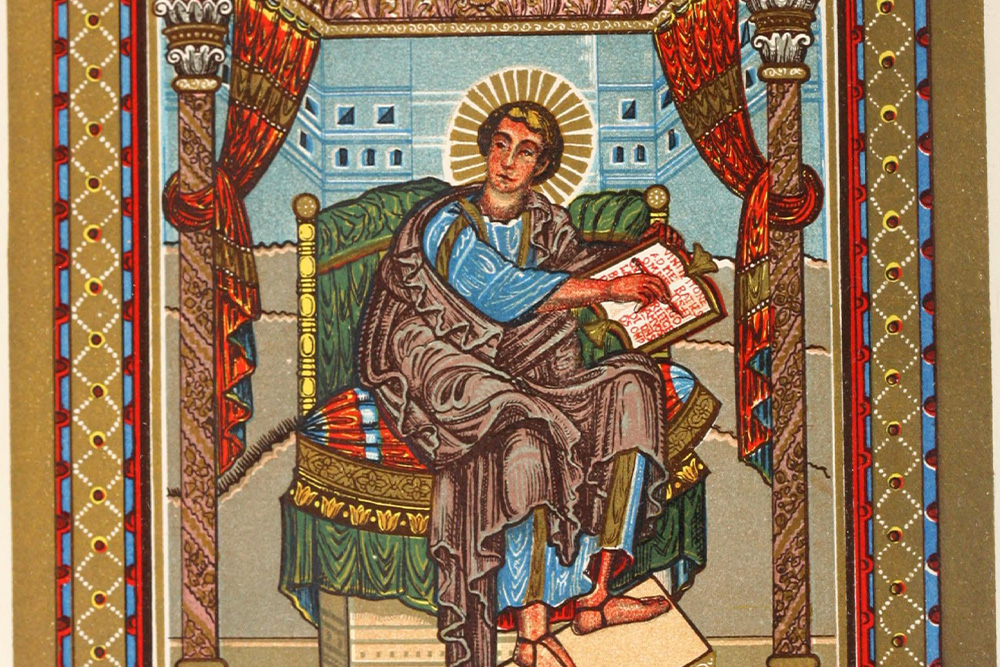
Definitions are useful, but it is in the stories that we get to experience moods and tones fully. Let’s take a look at some popular novels and observe the interaction between the two concepts.
(Please note that I am not claiming that the novels discussed below only have one single mood and one tone throughout the story. Tone can shift, and mood often changes from scene to scene. Still, each of these examples demonstrates the distinction.)
To Kill a Mockingbird – A compassionate tone, an uneasy mood
Scout’s narrative voice is characterized by warmth, curiosity, and compassion despite the fact that her observations involve prejudice and injustice. This establishes the tone.
The mood, however, becomes more and more uncomfortable with the development of the trial. A feeling of increasing tension and injustice is felt even before the verdict.
The contrast of such features is what gives the book its strength. Scout’s humanity does not make the evil disappear. To the contrary, it makes it stand out even more vividly.
The Great Gatsby – A reflective tone, a nostalgic mood
Nick Carraway tells his tale with hindsight. He is a perceptive, observant person who tends to reflect upon the people and events he’s witnessed or experienced. His perspective creates the tone of the book.
The mood of the novel is nostalgic. Readers are invited to share in both the glamour and the sorrow related to unattainable dreams of the characters involved.
1984 – A detached tone, an oppressive mood
Orwell’s narrative tone in this book is very dry and factual. He does not give instructions on how we should feel about what is happening.
Instead, the world creates the atmosphere. Surveillance, zero privacy, and the threat of punishment at all times create an oppressive atmosphere. The dry narration enhances the effect and helps build the mood.
Your story weapon: The emotional filter test
Before you call a scene finished, put it through what I like to think of as the emotional filter test. This is a simple revision exercise that takes only a few minutes, but it can completely change the way readers experience your story.
✒️ Writing Exercise
Start by asking yourself these four questions:
1. What do I want readers to feel by the end of this scene?
Be specific. Don’t settle for “sad” or “happy.” Think about the exact emotional response you’re aiming for. Do you want readers to feel uneasy? Hopeful? Curious? Heartbroken? Relieved?
2. What attitude is my narrator bringing to this moment?
Remember, this is your tone. Is the narrator compassionate? Bitter? Reflective? Detached? Humorous? If you can’t describe the narrator’s attitude in a word or two, there’s a good chance the tone isn’t as focused as it could be.
3. Does every major element support that emotional goal?
Look at your setting. Your dialogue. Your pacing. Your word choice. They don’t all have to do the same job, but they should work together rather than pulling readers in different emotional directions unless you’re creating that contrast on purpose.
4. Have I trusted the reader?
This may be the most important question of all. Have you shown the emotion through action, imagery, conflict, and character? Or have you explained it?
Readers don’t want to be told what to feel. They want to experience those emotions for themselves.
Finally, read the scene aloud.
It’s amazing how quickly awkward tonal shifts reveal themselves when you hear the words instead of silently reading them. A sentence that looked perfectly fine on the page may suddenly sound too sarcastic, too sentimental, or completely out of place.
The more you use this test, the more instinctive it becomes as you balance the mood vs. tone. That’s when storytelling starts to work its quiet magic.
Understanding the difference between mood and tone gives you greater control over how readers experience every scene you write. The more intentionally you shape emotion, atmosphere, and narrative voice, the more immersive and memorable your stories become. If you’re ready to develop these skills through guided practice and expert feedback, join one of my next workshops: The 90-Day Novel, The 90-Day Memoir, Story Day.