


Story demands honesty, but honesty doesn’t always mean saying the thing outright. This is the art of euphemism.
Sometimes the most revealing choice is the word your character reaches for when they can’t bring themselves to say what they mean. Though there’s much to be said for being direct and stating things plainly, there’s a reason decorum and social niceties exist.
A euphemism is often an expression that describes something unpleasant or offensive in a more acceptable way. There are plenty of euphemisms that we use without a second thought. For example, rather than telling our dinner guests that we are going to relieve our bowels, we might say, “I’m going to powder my nose.” We don’t always say that someone died, but that they “passed.” And it’s one thing to be fired, but another to be “let go.”
In this article, I will explore the tension between bluntness and politeness, and show you how a conscious understanding of euphemism can deepen your characters’ voices, help you approach difficult subject matter, and highlight contrasts. Lastly, I will give you a Story Weapon on what mastering euphemisms can do for your writing.
Mastering euphemism allows writers to navigate sensitive topics and build subtext by highlighting the gap between what a character says and what they truly mean. Whether a character chooses to “diplomatically cologne” the truth or state it bluntly, their linguistic choices serve as a powerful tool for revealing their upbringing, fears, and relationship to reality.
Bluntness vs. Politeness
So why use euphemisms, and why not? Let’s start with the reasons that you might have to state things as they are instead of dressing them up.
A euphemism only really works if we understand the unpleasantness it’s hiding. For some, euphemisms are a relic of an uptight society and not worth the linguistic gymnastics. It’s a fair point. Everyone has a meter of how bluntly or politely they speak; this is a matter of our upbringing, the environment around us, and our own personal style of expression.
A time for direct speech
A place where bluntness is key is in the halls of an intensive care unit. According to Dr. David Spain, Stanford’s chief of acute care surgery, speaking with the families of a recently deceased patient requires a surprising amount of directness. The idea of the patient dying is so difficult to grasp that doctors find it helpful to state it plainly. As Dr. Spain puts it:
It’s important to say the actual words. You can’t use euphemisms. You have to say, “They are dead.” You can’t say, ‘They have passed. They’re gone.’ You actually have to say the words.
In that situation, bluntness is a way to cut through the noise and get to the heart of the matter. This should reveal to us the opposite case as well; places where a euphemism is helpful.

A time for sensitivity
If your goal is to communicate and communicate well, there are times when polite language gets to the heart of the matter. There are topics that are difficult to address; they’re painful or uncomfortable for the listener. Horrible things can happen, and euphemisms are a way to speak about these things without shutting people out of the conversation.
For example, if someone is discussing a crime bill and has to speak about violence, is there any benefit to extra vulgarity or description of the violence? In that situation, bluntness would only serve to alienate people instead of including them in the conversation.
Euphemisms can also be a kindness. Think about the difference between saying someone is cheap or miserly and saying that they’re thrifty or frugal. The same could be said for calling a region a developing nation, rather than a third-world country.
The words we use do matter, both in how they describe something and how they reflect on us. The way we choose to phrase things changes how it’s received.
“Euphemisms are unpleasant truths wearing diplomatic cologne.”
– Quentin Crisp
Euphemisms in your writing
Character behavior
How does this discussion of euphemisms connect to your writing? For one, it should give you some pause when considering if a character would use euphemisms or not.
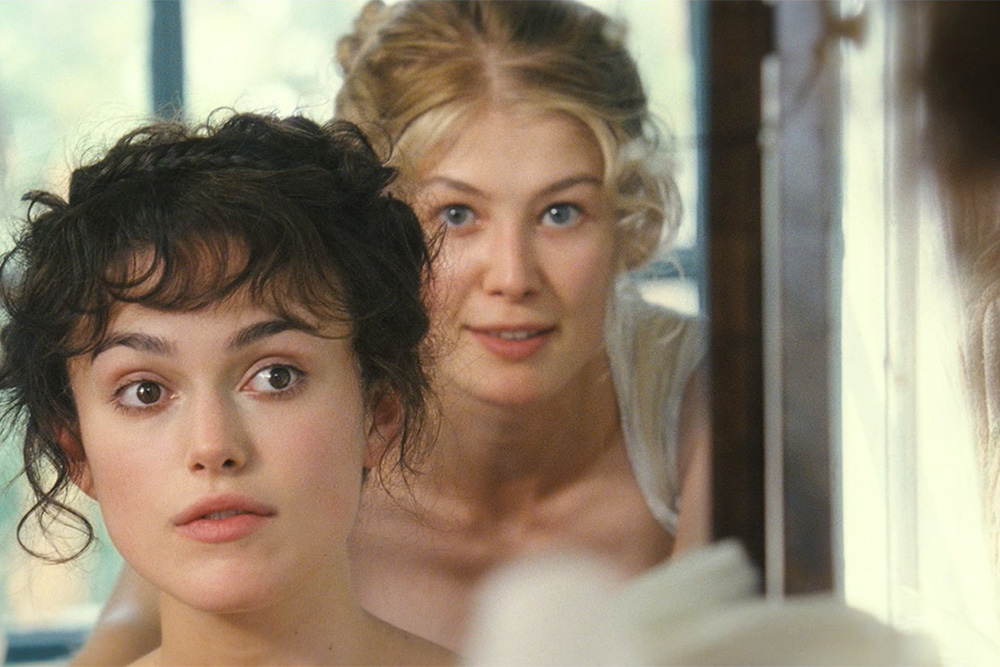
Does your story take place in high society, like the world of Pride and Prejudice? A character speaking with euphemisms in that situation would be conforming to the world around them, and it should signal to the reader that they have accepted the game of high society to some extent.
On the other hand, someone who prefers to be blunt in that setting is making a conscious choice to go against the grain. The language they use is a reflection of some rebellion against the strict expectations of the people around them.
We can flip this, too. Someone soft-spoken in the company of those who prefer vulgarities is making a choice to separate themselves from their peers.
Putting a veil on painful or dark subjects
Euphemisms can also be helpful if you’re approaching some painful subject matter. One of the best things about literature is that it can illuminate the shadows that surround us. To talk about things that are taboo is to heal shame and invite people back into the world.
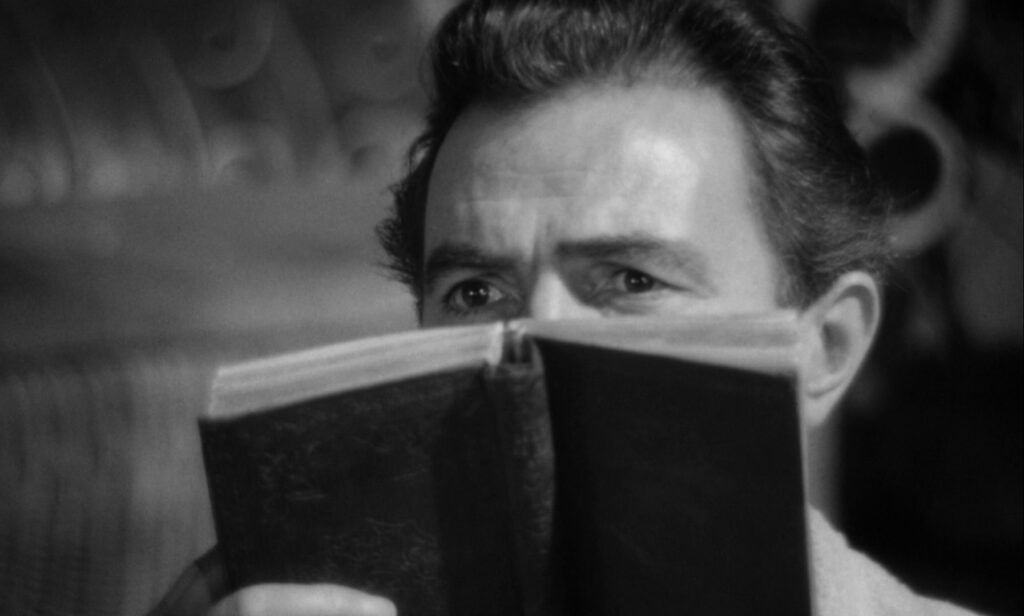
If you’re inclined to broach a subject that’s hard to talk about, the euphemism is your best friend. The best of example of this is Vladimir Nabokov’s Lolita; there are few authors who would dare write about something as dark as pedophilia. There are fewer still who would attempt it from the perspective of the pedophile. The way he uses euphemisms in the novel is a masterclass on the subject.
Contrast
Let’s not ignore the place of vulgarity. The more your writing is cloaked in fine language and euphemism, the harder the moment will land when decorum disappears. If you want coarse language or ugliness to have true impact, use it sparingly.
It’s not shocking when someone is blunt in an environment where no one is using euphemisms. It’s only shocking if Mr. Darcy suddenly drops the use of the euphemism; that would be a moment that speaks to his character and the intensity of the situation.
Your story weapon: Mastering euphemisms
The tone and level of formality of your writing is entirely up to you. Understanding how euphemism works is a way for you to expand your own voice and gain greater mastery over your character’s dialogue. Be conscious of the verbal choices they make in different scenarios.
Think of it this way: every character has a relationship to the truth, and the words they choose or avoid are a window into that relationship.
The character who reaches for a euphemism in a moment of crisis is telling us something profound about their fear, their upbringing, or their need to maintain control. The character who abandons niceties is telling us something equally revealing. These are not merely stylistic choices; they are acts of character.
The distance between what a character says and what they mean might be where the most interesting story lives. That’s the space where subtext breathes, where tension quietly builds, and where your reader leans in without quite knowing why. Euphemism isn’t a full retreat from honesty — it’s another path toward it.
FREE STORY DILEMMA GUIDE: Every great story begins with a dilemma. If your plot feels unfocused or your tension falls flat, this FREE Dilemma Guide will help you identify, explore, and sharpen your protagonist’s central dilemma to reveal the most dynamic version of your story.