

One of the quickest ways to make your writing more vibrant is to use vivid verbs. A single well-placed verb can say everything about a character, while eliciting emotion, building suspense, and generating imagery.
In this article, I’ll go over what vivid verbs are and how to use them. Finally, I’ll give you a Story Weapon to help bring your prose to life, and include 100 vivid verb examples to explore.
Vivid verbs replace generic action words with specific, imagery-rich alternatives that show character, mood, and emotion without extra explanation — “strode” instead of “walked,” “sprinted” instead of “ran quickly.” They’re especially effective for showing rather than telling emotion, revealing character through movement, and matching a scene’s tone, but overusing them creates purple prose, so the strongest revisions target only the moments that need emphasis.
What are vivid verbs?
A vivid verb is an active verb that conveys more than just an action. It’s specific and helps paint a picture for the reader. Here’s an example:
Plain: She walked into the room.
Vivid: She strode into the room.
The verb “walked” gives us a clear indication of what happened, but “strode” paints a picture by giving us information about this person’s attitude.
Another example:

Plain: The goat jumped the fence.
Vivid: The goat vaulted the fence.
Now we can see a little more clearly how the goat is moving. That’s the goal with vivid verbs: to help the reader see the scene in their mind’s eye instead of merely understanding it.
Why vivid verbs matter

Some people think detailed writing is achieved by using lots of adjectives or lengthy descriptions. In truth, a well-placed verb can carry more weight than a sentence full of modifiers.
Instead of saying, “The dog ran very quickly across the yard,” you might write, “The dog sprinted across the yard.”
One word replaces three. The sentence becomes shorter, and the picture is made clearer. In context, this could also convey a stronger emotional cue for your readers. Is the dog sprinting to reunite with their long lost owner, or to escape from some danger?
The goal is not to make the verbs stand out, but to make your work as specific as possible by conveying experiences. I’m not saying you need to replace all the verbs in every sentence, but you can sprinkle them throughout your work to emphasize powerful moments and add more color in the following ways:
- Create stronger imagery
- Show emotion without explaining it
- Reveal character personality
- Increase pacing
- Reduce unnecessary adverbs
- Keep readers emotionally engaged
Readers don’t consciously notice every strong verb and they shouldn’t. They’ll simply experience the story more vividly as it comes to life before them.
How verbs can be descriptors
Weak verbs usually describe only the basic action. Vivid verbs describe how the action happens. Let’s compare a few examples.
Movement
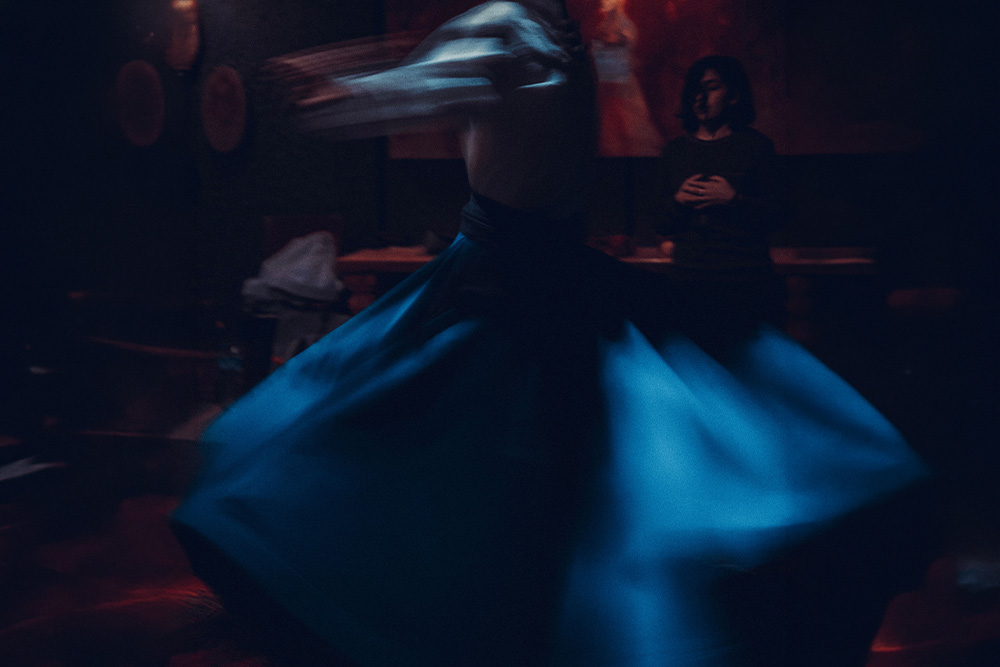
Plain: The soldier moved toward the enemy.
Vivid versions:
- The soldier marched toward the enemy. (The character feels disciplined.)
- The soldier staggered toward the enemy. (They’re injured, but still up for a fight.)
- The soldier crept toward the enemy. (Now there’s suspense.)
One verb changes the entire scene.
Sight
Plain: She looked at the letter.
Vivid versions:
- She scanned the letter.
- She scrutinized the letter.
- She glanced at the letter.
Each version suggests different emotions, intentions, and pacing.
Speech
Plain: He said he was sorry.
Vivid versions:
- He whispered an apology.
- He muttered an apology.
- He snapped an apology.
Dialogue often becomes stronger when the surrounding action carries the emotional weight.
Vivid verbs show character
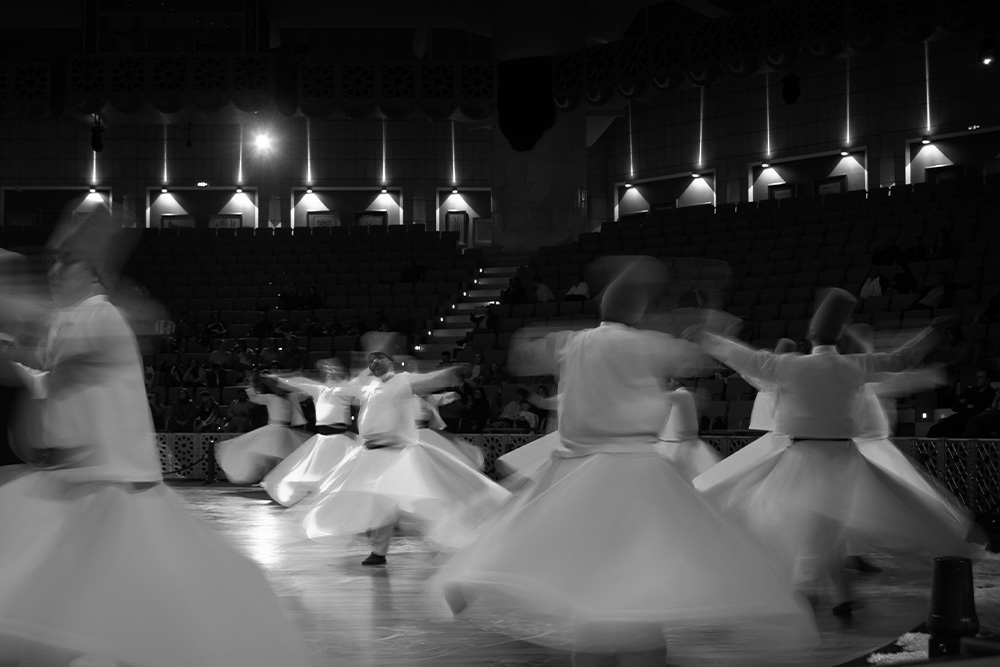
One of my favorite ways to use vivid verbs is for character development. Imagine three people entering the same coffee shop.
Character one: Tracy strode through the doorway. (Confident.)
Character two: Jeff shuffled his way inside. (Exhausted.)
Character three: Finley slipped in behind two patrons. (Sneaky.)
There’s no need for an entire paragraph to describe each person and how they move through the world. Vivid verbs can do a lot of the heavy lifting for you. Think of this question every time you introduce a new character: “What do their actions say about them?”
How vivid verbs improve showing versus telling

Many writers struggle with “show, don’t tell.” Vivid verbs make showing much easier. You’re not simply changing the verb here, but using it to craft a sentence with an action your reader can visualize.
Instead of telling readers, “Mark was angry,” you can write:
- Mark slammed the notebook shut.
- Mark jabbed a finger toward me across the table.
- Mark shoved back his chair.
You don’t have to state the word angry. Readers can arrive at that conclusion based on the verb you use.
Instead of, “Lisa was happy,” try something more descriptive, such as:
- Lisa skipped across the driveway.
- Lisa beamed as she bounded up the steps.
Actions naturally communicate emotions.
Choosing the right vivid verb

You might have a great word in mind that you really want to use, but not every strong verb is the right one depending on the scene or the character. Ask yourself four questions.
1. Does it fit this character?
A retired military officer probably marches. A tired grandparent may shuffle. A nervous teenager might hover near the doorway.
The verb should match who the character is.
2. Does it fit the mood?
Verbs in a horror novel should create suspense. People sneak. Doors groan. Shadows hang. Branches scratch.
Verbs for a romance scene would be entirely different. People linger. Eyes lock. Laughter rises. Smiles bloom.
Your verbs need to support the mood of the story.
3. Is it specific?
Specific verbs always outperform generic ones. Instead of, “The bird flew into the sky,” you might write:
- The bird soared into the sky.
- The bird swooped over the river.
Specificity creates imagery.
4. Is it natural?
Writers sometimes use complex words when a simpler one will do the trick. Never use a verb simply to be impressive. Use the verb that most naturally expresses what you want to say.
Don’t replace every verb

This is a common pitfall. An author discovers vivid verbs and suddenly, every sentence is alive with florid language. People no longer just walk; they stomp, stride, charge, lunge, vault, barrel, rocket, etc. Pretty soon, the purple prose becomes tiring.
Vivid verbs work because they stand out. If everything is a headline, then there is nowhere for the eye to rest. Allow regular actions to remain regular actions. Reserve your powerful verbs for the moments that truly need emphasis.
Vivid verbs become most relevant when you’re revising the manuscript. Look for commonly used verbs such as went, walked, did, etc. in the manuscript. Don’t try to substitute each and every word but take time to consider the following:
- Is this the best verb to use here?
- Does this scene reveal emotions clearly?
- Could a better verb also replace an adjective or adverb here?
- Does the action match the mood of the scene?
Sometimes you’ll keep the original verb. Other times you’ll find an opportunity to make the sentence come alive.
Common mistakes writers make
Choosing flashy verbs over accurate ones
Don’t pick a dramatic verb just because it sounds exciting. The best verb is the one that fits the moment.
Overwriting every sentence
If every character storms, lunges, snarls, and bellows, the reader becomes insensitive to the power. Great writing must have variety and strike a balance. Pacing requires quieter moments where you will use plain verbs, and they will lead up to the more impactful scenes.
Using adverbs to rescue weak verbs
Instead of, “They walked fast,” you could say. “They hurried.” The verb says it all.
Ignoring the point of view
The verb choices should convey the experience of the point-of-view character. A detective would examine a room, whereas a scared little kid might merely peek into the room. Everything is different according to the observer.
Your story weapon: The verb upgrade pass
After you’ve finished your rough draft and nailed down the story structure and big picture elements in your rewrite, it’s time to work on the prose. If you’ve noticed that your verbs are struggling, do an editing pass focused only on those verbs. Ask yourself three questions:
- Is this verb specific enough? (“went” → “hurried”)
- Does it reveal character? (“walked” → “stomped” or “tiptoed”)
- Can it replace an adverb? (“said angrily” → “snapped”)
You don’t have to change all of your verbs. Focus on the important ones: entrances, exits, times of tension, emotional responses, and specific actions. Even by changing only ten verbs per page, the prose can vastly improve. This is the magic of verbs.
Vivid verbs are one of the smallest changes you can make, but they can have a great impact for your readers.
100 vivid verbs every writer should know
| Vivid Verb | Meaning / Best Use | Example |
| Sprint | Run at full speed | They sprinted across the bridge. |
| Dash | Move quickly | She dashed for the train. |
| Charge | Rush forward aggressively | The crowd charged the gates. |
| Bolt | Suddenly run away | The horse bolted. |
| Race | Move very fast | He raced home before sunset. |
| Stagger | Walk unsteadily | They staggered after the explosion. |
| Shuffle | Walk dragging feet | We shuffled through the hallway. |
| Trudge | Walk with effort | They trudged through the snow. |
| Stroll | Walk casually | She strolled along the beach. |
| Wander | Move without direction | I wandered through the forest. |
| Roam | Travel freely | Wolves roamed the hills. |
| Creep | Move quietly | He crept upstairs. |
| Sneak | Move secretly | They sneaked into the room. |
| Slip | Move unnoticed | I slipped behind the curtain. |
| Glide | Move smoothly | The skater glided across the ice. |
| Drift | Move slowly | Leaves drifted downstream. |
| March | Walk with purpose | Soldiers marched together. |
| Stride | Walk confidently | She strode into the meeting. |
| Pace | Walk back and forth | They paced nervously. |
| Limp | Walk with injury | He limped toward the exit. |
| Crawl | Move on hands and knees | The dogs crawled under the fence. |
| Climb | Move upward | She climbed the cliff. |
| Scramble | Climb awkwardly | The children scrambled over rocks. |
| Leap | Jump far | We leaped over the stream. |
| Bound | Jump energetically | They bounded across the meadow. |
| Hop | Small jump | The child hopped happily. |
| Skip | Light playful movement | I skipped home. |
| Lunge | Sudden forward movement | He lunged for the ball. |
| Dive | Jump downward | She dove into the lake. |
| Soar | Fly high | Eagles soared overhead. |
| Swoop | Fly downward quickly | Hawks swooped toward prey. |
| Hover | Remain suspended | The drone hovered above. |
| Plunge | Fall suddenly | The stone plunged into water. |
| Tumble | Fall repeatedly | Rocks tumbled downhill. |
| Collapse | Fall completely | The wall collapsed. |
| Slam | Close forcefully | They slammed the door. |
| Smash | Break violently | Waves smashed the rocks. |
| Crush | Press firmly | He crushed the can. |
| Grip | Hold tightly | She gripped the rope. |
| Clutch | Hold desperately | I clutched the letter. |
| Snatch | Grab quickly | She snatched the keys. |
| Seize | Take firmly | We seized the evidence. |
| Toss | Throw lightly | He tossed the coin. |
| Hurl | Throw forcefully | The hunter hurled the spear. |
| Fling | Throw carelessly | They flung the bag aside. |
| Cast | Throw deliberately | She cast the fishing line. |
| Lift | Raise upward | He lifted the child. |
| Hoist | Lift with effort | Workers hoisted the beam. |
| Drag | Pull heavily | They dragged the suitcase. |
| Yank | Pull suddenly | I yanked the cord. |
| Glance | A quick look | They glanced at the clock. |
| Gaze | A fixed look | We gazed at the stars. |
| Stare | A fixed and intent look | He stared in amazement. |
| Glare | Look angrily | She glared across the table. |
| Peer | Look carefully | I peered through the mist. |
| Scan | Look quickly over | He scanned the crowd. |
| Examine | Careful inspection | They examined the evidence. |
| Scrutinize | Closely examine in detail | We scrutinized the contract. |
| Spot | Sudden recognition of something | Timmy spotted a cabin. |
| Notice | Become aware | I noticed fresh footprints. |
| Observe | Watch attentively | The judges observed the competitors. |
| Watch | Follow with the eyes | She watched him cross the street. |
| Witness | See an occurrence | They witnessed the accident. |
| Blink | Close and open the eyes | He blinked in surprise. |
| Wink | Close one eye briefly | Claire winked playfully. |
| Frown | Show concern | She frowned on hearing the news. |
| Smile | Show happiness | I smiled warmly. |
| Grin | Express a small smile | He grinned with pride. |
| Smirk | Give a conceited smile | They smirked after winning. |
| Beam | Having a broad smile | She beamed at the applause. |
| Laugh | Express amusement | They laughed together. |
| Chuckle | Laugh quietly | He chuckled at the joke. |
| Giggle | Laugh lightly | The children giggled nonstop. |
| Sob | Cry heavily | Terri sobbed into the pillow. |
| Weep | Cry quietly | They wept after the ceremony. |
| Tremble | Shake slightly | Her hands trembled. |
| Quiver | Shake gently | His voice quivered. |
| Shake | Move back and forth | My shoulders shook with laughter. |
| Shiver | Shake from cold or fear | We shivered in the wind. |
| Flinch | React suddenly | My horse flinched at the bang. |
| Recoil | Pull away quickly | He recoiled from the snake. |
| Hesitate | Pause before acting | I hesitated at the doorway. |
| Freeze | Stop moving | They froze in place. |
| Charge | Rush forward | The bull charged. |
| Pursue | Follow with determination | We pursued every clue. |
| Chase | Run after | She chased the thief. |
| Escape | Get away | The convicts escaped before dawn. |
| Flee | Run from danger | They fled the village. |
| Endure | Continue through hardship | We endured the storm. |
| Withstand | Resist successfully | The bridge withstood the flood. |
| Endure | Persist despite pain | He endured months of uncertainty. |
| Flourish | Grow successfully | The garden flourished. |
| Fade | Gradually disappear | The music faded away. |
| Ignite | Begin burning | Sparks ignited the fire. |
| Smolder | Burn slowly | The ashes smoldered overnight. |
| Burst | Break open suddenly | The balloon burst loudly. |
| Bloom | Open into flowers | Roses bloomed in spring. |
| Wilt | Lose freshness | The flowers wilted in the heat. |
| Ripple | Form small waves | The breeze rippled the lake. |
| Swirl | Move in circles | Leaves swirled around them. |
Strong writing is often built through small, deliberate choices. Learning to recognize when a more precise verb can strengthen character, emotion, imagery, or pacing is one of the practical skills that can transform a manuscript during revision. Join my next Rewrite Master Class to enhance your craft and bring your story to life.