


In storytelling, we have heroes and villains, but where do anti-villains fit in? Who are they, and why have they become so ubiquitous in the modern-day comic book and film scene?
There is some confusion among readers in defining what exactly an anti-villain is, what they do, and how they are different from traditional villains and tragic heroes. In this article, I will explore all of that, as well as give you some famous examples. Lastly, I will share a Story Weapon you can use to breathe life into your characters and make them the anti-villains they were born to be.
Anti-villains are complex antagonists whose goals or motivations are often noble or relatable, yet they oppose the protagonist and act in morally ambiguous ways. Unlike traditional villains, they blend sympathy and moral conflict, making them compelling and nuanced characters whose arcs may include redemption or continued antagonism.
Who and what is an anti-villain?
Anti-villains possess heroic ambitions and virtues, but are antagonistic in their role and serve as obstacles to the protagonist. Put simply, an anti-villain is the antithesis of the anti-hero. They might be selfish and undesirable, and take criminal actions, but they nonetheless retain a sense of morality that often puts them at odds with other villains.
Due to their complex nature, these types of characters are difficult to write, but have become popular over the years.
As audiences grow more sophisticated, they crave nuanced stories that reach beyond simple black or white morality. Anti-villains blur the lines between heroes and villains and make for a cathartic story experience as they move through their own character arc.
In terms of behavior, anti-villains can sometimes come across as polite, honorable, and even selfless to their enemies, but ironically behave more harshly towards their own allies. Though not entirely evil, they often occupy a morally gray or neutral position and, over the course of their character arc, may gradually shift toward the side of good. As such, redemption plays a major role in many such character stories.
Characteristics of anti-villains
Most anti-villains have the following characteristics in common.

- Complex motivations: Unlike traditional villains who embrace evil for its own sake, anti-villains pursue goals that are often relatable or even noble in nature.
- Moral ambiguity: Anti-villains have diverse personalities that range from well-intentioned to dubious. They are not wholly good or evil, but somewhere in between.
- Sympathetic traits: Anti-villains have qualities that make them sympathetic to the reader. They might have a tragic past or heroic motivations, and these can help them achieve redemption later in the story.
The four types of anti-villains
There are four main types of anti-villains, but there is also some overlap, so don’t feel too confined by these categories as you explore your characters. Think of these as guidelines.
The noble anti-villain
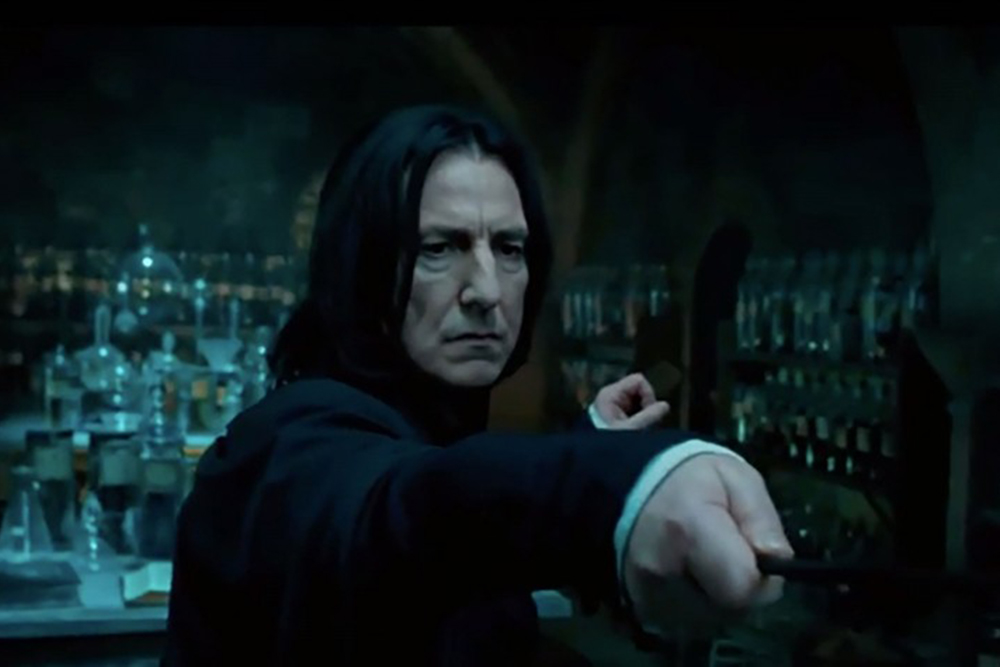
These characters have a noble aim, a strong set of rules, and a sense of honor, but make malevolent choices to get closer to their goals. An example of this would be Severus Snape from the Harry Potter series.
The pitiable anti-villain
These characters are often victims of tragic circumstances and may choose to do evil out of love or loyalty. Essentially, they are not free to choose their own path and are simply acting based on the cards they were dealt. One popular, if arguable, example is Cersei Lannister from The Song of Ice and Fire as her actions are often motivated by love for her children.
The well-intentioned anti-villain
This type of character often seeks the same thing as the hero, but through different methods. In most stories, they are written as competitors to the protagonist rather than as an outright enemy. Killmonger from The Black Panther could fit this category since he wants the same thing T’Challa does: a better future for their people. The steps he takes to get there, however, are fatal for many who cross his path.
The villain in name only
These characters are not evil or malicious. They are simply considered “villains” because they are antagonistic to the protagonist of the story. Since they have a lot of redeeming qualities, they often join forces with the hero over the course of the story. Zuko from Avatar: The Last Airbender is the perfect example of this type of character.
“Behind every villain is a truth, whether it be perceived or actual.”
– Dalton Frey
The difference between an anti-villain, tragic hero, and traditional villains
Anti-villains straddle the thin line between tragic heroes and traditional villains. Despite a lot of similarities, they are written quite differently and play a different role in most narratives.
When it comes to tragic heroes, they share moral ambiguity and redeeming qualities with anti-villains. However, tragic heroes begin the story on the good side and, despite setbacks, tend to remain there. On the other hand, anti-villains start out as villains but can either remain set in their ways or redeem themselves over the course of the narrative. They are antagonists, while tragic heroes are protagonists.
Meanwhile, a villain is an antagonistic character who intentionally commits evil and immoral acts for selfish goals. They are self-centered, unlike anti-villains, and have few redeeming qualities. Traditional villains also lack the psychological complexity and moral ambiguity that define anti-villains.
Anti-villain examples

Magneto – X-men
Magneto is the antagonist in the X-Men franchise, being the anti-villain across numerous comic books, movies, and TV shows. Despite having an extremist viewpoint, Magneto is characterized by a resolve to protect mutants from harm. He is often seen as malicious, and his actions do cause the deaths of many, but in his mind, he is doing it for a good cause.
Being a survivor of the holocaust, Magneto carries a lot of trauma, which explains his reluctance to compromise and continue the fight for the rights of mutants, no matter how high the price might be. He is sympathetic, honorable, and, despite being an antagonist, shares a respectful rivalry with his frenemy, Professor Charles Xavier.
Tywin Lannister – A Game of Thrones
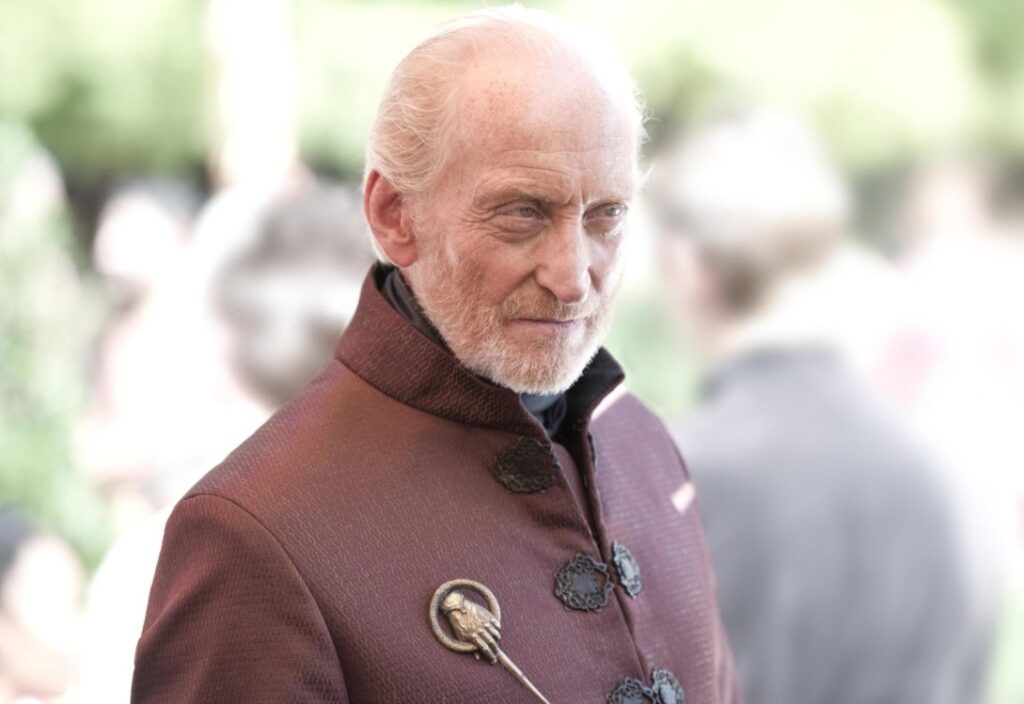
Tywin Lannister is the anti-villain in The Song of Ice and Fire books and the Game of Thrones TV show. Initially, he is shown to be callous, malicious, and unyielding. However, over the course of the story, as more time is spent with Tywin’s character, we see a different side.
Tywin does what he can to improve his family’s standing in the classist society of Westeros. He has no qualms about murdering his political rivals if it means a swift end to a war. In his mind, he is protecting the kingdom, saving lives, and securing a future for his family. While he might not be sympathetic, his goals are relatable, and his efforts to bring an early end to the War of the Five Kings are understandable.
Your story weapon: How to write and develop an anti-villain
To start, you’ll need to create a compelling motivation for your character. Justify their position in the narrative and show the reasoning behind their evil actions despite having noble motives.
Secondly, anti-villains are inherently flawed, and you need to show your audience that. Balancing virtues and flaws is a good step. For virtues like a strong sense of justice or empathy, add flaws like stubbornness and ruthlessness to create a more engaging narrative.
Once you have the main personality down, develop their backstory and present the experiences that made them who they are. You could add a tragic event or trauma that might dictate their actions. Don’t forget to highlight their human side, though. An anti-villain is best experienced when they are relatable and undergo moral dilemmas.
Unlock the full potential of your anti-villains and learn how to craft morally complex, compelling antagonists in one of my next workshops: The 90-Day Novel, The 90-Day Memoir, Story Day. You’ll bring your characters to life in ways your readers will never forget.