



Here’s an impactful way to build dimension in your protagonist: give them a foil character to play against. Foil characters are like a film negative. They give your readers a sharp contrast to emphasize different qualities.
Atticus Finch’s integrity and compassion stand out clearly next to Bob Ewell. Elizabeth Bennet’s wit cracks best when Darcy’s pride gives it something to strike against. These pairings are not accidental. In each case, one character exists to make the other more fully visible.
When used well, a foil shows your reader something about your protagonist more succinctly than pages of interior monologuing or narration ever could.
In this article, I will look at what a foil character actually is, why the contrast they create is inseparable from your story’s theme, and how to build your own foil character. Lastly, I will give you a Story Weapon to help you pinpoint the foil your protagonist most needs and least wants.
A foil character acts as a mechanism to refract the light of your protagonist without detracting from the shine of the story: using sharp contrast in traits and values to reveal deeper truths about both characters without relying on heavy narration. By embodying the opposite side of the protagonist’s central dilemma, a well-crafted foil makes your lead’s transformation not only visible but absolutely necessary to the story.
What is a foil character?

A foil character’s traits, choices, and values contrast directly with your protagonist in ways that reveal something deeper about both of them.
Think of a foil as a twisted funhouse mirror showing your protagonist their own strengths and weaknesses from an angle they cannot quite see on their own.
In jewelry terms, “foiling” or foil backing is the practice of placing a thin sheet of metal behind a gemstone to make it shine more brightly. That is precisely what a well-written foil does for your protagonist.
A good foil also draws attention to the theme of your story while pushing the conflict that moves the narrative forward. They challenge your protagonist’s assumptions and expose any blind spots.
A foil doesn’t have to be a “villain” or even antagonistic. Sherlock Holmes and Dr. Watson are classic literary foils of one another. Holmes is brilliant, cold, and lives entirely in his head. Watson is warm, grounded, and guided by his heart. Put them in the same room and something happens that neither character could produce alone. We see Holmes more clearly because Watson is standing next to him, and Watson matters more because Holmes needs him in ways he cannot bring himself to say.
Foil characters have their own desires, their own false beliefs, and come with their own baggage that made them who they are. The contrast they create with your protagonist should feel natural.
The foil and your story’s dilemma
At the heart of every story lies a dilemma. A problem can be solved, while a dilemma can only be resolved through a shift in perception. A foil character exists as a catalyst to bring the protagonist to their new understanding. Think of it like this: your protagonist wants something, and the meaning they attach to that want is precisely what prevents them from having it.
The foil can embody the opposite choice, the other side of your protagonist’s dilemma. They resolved that same dilemma differently, and stand in the story as living proof of where the alternate path can lead.
Foil character example: Ana and Elsa from Frozen
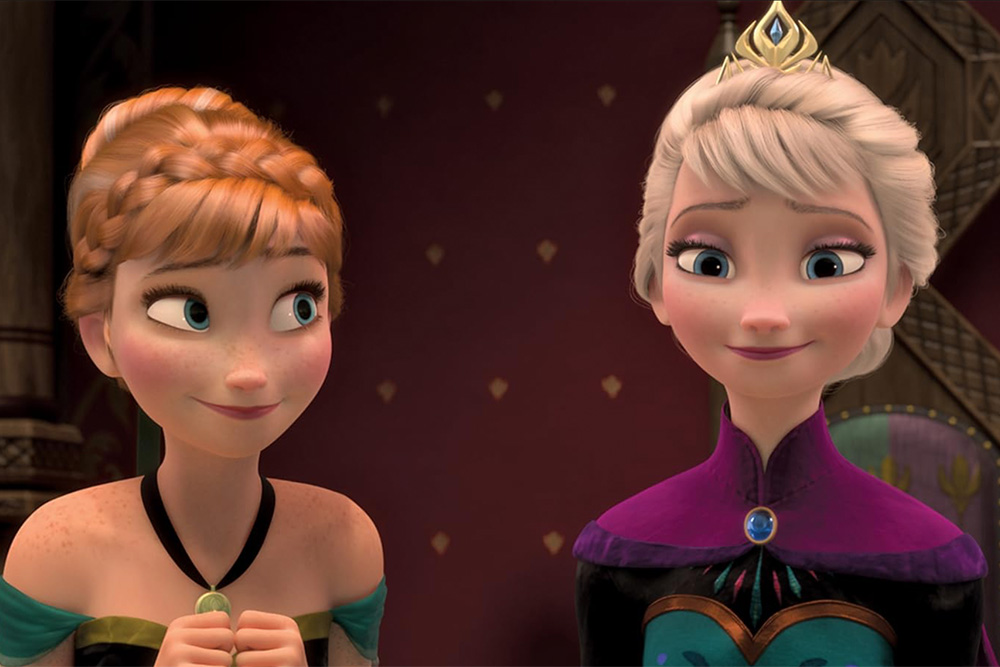
These two sisters couldn’t seem more different. Elsa hides herself away in shame and fear, constantly clinging to isolation and misery. She has striking looks and supernatural powers, but suppresses herself.
Ana, on the other hand, is normal. She has no powers and craves connection with her sister — or anyone, really. She’s more confident in herself, with no shame to stop her from talking to new people. Instead of caution, she embodies naïveté with a dash of recklessness.
This pairing works so well because each character emphasizes the other. Ana knocking at Elsa’s door, begging her to come out to play, shows just how drastic Elsa’s isolation is. In turn, Elsa refusing any human contact gives context to why Ana so quickly clings to the first nice man she meets. She’s been yearning to be loved for years.
These two are each other’s foils, and we see how it causes conflict between them. Because Elsa is hesitant, ashamed, and afraid, she immediately sees Ana’s new love as unwise and even silly. The contrast between the two characters helps us see both sides — Elsa is right to be wary, but we understand why Ana is so happy.
You can create this kind of conflict in your own story by putting your characters’ values at odds with each other.
Building your foil character
When you sit down to write your foil, start with your protagonist’s false belief. What does your protagonist believe about themselves or the world at the beginning of your story that the narrative is going to test and ultimately reframe?
Now ask: what would a character look like who has fully committed to the opposite belief? This is someone who has looked at the same world your protagonist inhabits and drawn a genuinely different conclusion.
That character is your foil.
Here is something worth keeping in mind. The foil should challenge your protagonist’s morals and highlight any hypocrisy they carry.
If your protagonist believes they are motivated by principle, the foil might be doing the same thing for entirely selfish reasons, and getting further by it.
Mufasa leads through love and earns devotion. Scar leads through fear and commands only resentment. The contrast is not incidental to the story. It is the story.
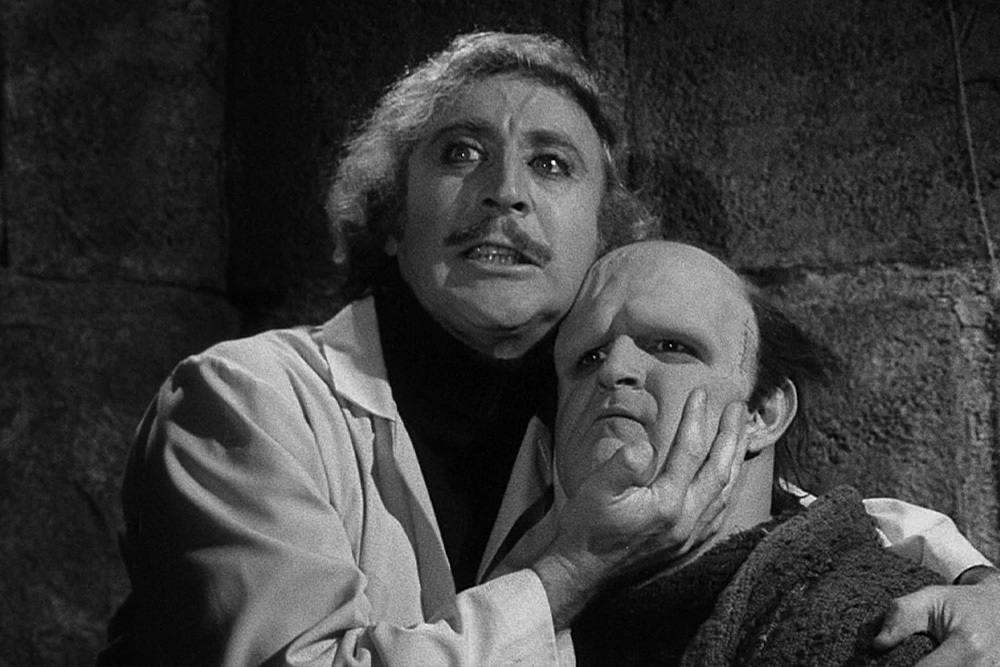
Dr. Frankenstein and his creature are perhaps the most devastating foil pairing in the English literary tradition. Frankenstein isolates himself from everyone who loves him in pursuit of his ambition. The creature, whom Frankenstein created and abandoned, wants nothing more than to belong. The creator and the creation have exchanged their essential natures, and the horror of the novel lives entirely in that reversal.
Notice what these pairings have in common. The foil does not simply highlight what the protagonist is. It shows what they might have been, what they could become, or what they have already lost without knowing it.
A note on subtlety
Don’t overwhelm your reader with contrast. Choose the traits you want to emphasize, and let the others breathe. A foil who is the protagonist’s opposite in every conceivable way might stop feeling like a round character and start feeling like an Aesop fable.
The most effective foils share something with the protagonist, like their background, a desire, or a wound — something that makes their divergence all the more pointed. This shared experience or commonality makes the contrast more visible.
Make sure your foil is fully realized. Give them their own wants, their own history, their own reasons for being who they are. A foil who exists only to serve the protagonist’s arc will feel disposable, and your reader will sense it.
The goal is a character who is interesting enough to carry a story of their own, but who in this story exists in a relationship with your protagonist that makes both of them more fully human.
Your story weapon: Find the foil in the dilemma
Answer this question honestly: What does your protagonist most need to believe about themselves in order to keep functioning?
Now ask: Who in your story has been forced to live without that belief? Who has had it stripped away, or never had it to begin with, or has deliberately chosen to reject it?
✒️ Writing Exercise
Write for five minutes from that character’s point of view, beginning with: “What I know about your protagonist that they don’t yet know about themselves is . . .”
Let the answer surprise you. What comes out of that exercise will likely tell you more about the relationship between your protagonist and their foil than any amount of plotting. And it may well show you the scene your story has been waiting for.
The foil is not a supporting character. In the best stories, they are the character who makes your protagonist’s transformation not only possible, but necessary.
FREE DOWNLOAD—DILEMMA EBOOK! Are you looking for support to sharpen up your character work? My FREE GUIDE will help you guide your characters between their wants and needs to find their human element in your story.