
Stories that endure tend to tap into something deeply human. Philosophers, mythologists, psychologists, and more have theorized about different ways audiences resonate with certain story elements. There seem to be patterns . . . story beats, characteristics, and symbols that have connected with readers across cultures throughout the ages.
Previously, I looked at the Hero’s Journey and touched on Joseph Campbell’s theory of the “monomyth” — a universal pattern he believes storytellers have tapped into throughout time. In this article, I’ll take a look at another type of pattern: Jungian archetypes. I’ll explore Jung’s theory, go over various archetypes, and I’ll give you a Story Weapon on how to ground your own characters in these recognizable patterns.
Jungian archetypes are universal patterns that help explain why certain characters feel instantly recognizable and emotionally compelling. By using these archetypes as flexible foundations (and not rigid formulas), you can create characters that feel both timeless and deeply human.
What are Jungian archetypes?
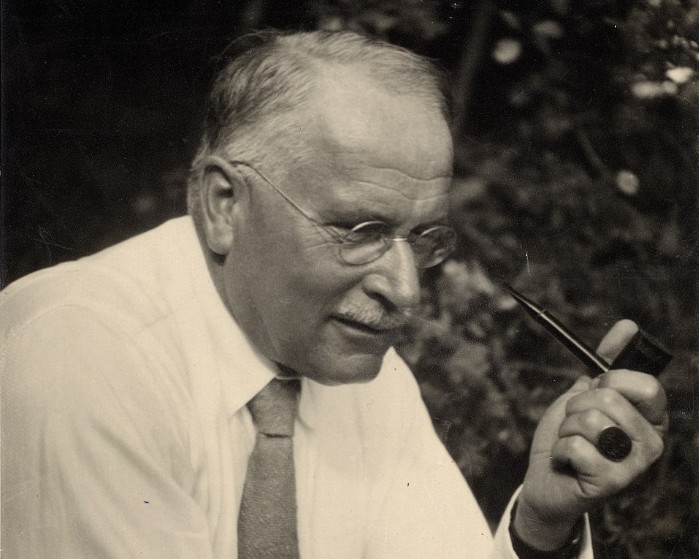
Carl Jung, a Swiss psychiatrist and analytical psychologist, theorized that an individual’s behaviors, thoughts, and emotions fall into set categories called archetypes.
The word archetype comes from the Greek term archetypos – arche meaning “beginning, origin,” and typos meaning “impression, pattern, example.”
Jung’s theory is similar in ways to Plato’s Theory of Forms. In his works, Plato claimed that there are perfect and eternal “true” forms of things and ideals existing in a metaphysical realm, untouched by time. And our physical world, tainted by change, can only ever have imperfect shadow versions of those forms. He would say trees in our world all imitate the essence of the ideal “Tree.” We recognize something as beautiful because it mimics the ideal form of Beauty.
Jung took that idea and moved Plato’s Forms from a metaphysical realm to the structure of the human psyche. He looked at them as universal human “archetypes” rather than purely abstract ideals.
In his book, The Archetypes and the Collective Unconscious, Jung defines archetypes as: “the unconscious images of the instincts themselves; in other words, they are the patterns of instinctual behaviour.”
He believed that all humans share a deep psychological layer he called the “collective unconscious” — a storehouse of universal experiences, symbols, and patterns passed down through humanity. From this shared unconscious arise archetypes, which are recurring character types, behaviors, emotions, and ways of thinking that influence how people act and understand the world, often without realizing it.

Jung did not create one fixed, complete list of archetypes, but the most commonly referenced ones include:
- Self: The integrated whole of the personality; balance and unity.
- Ego: The conscious mind; identity and sense of “I.”
- Shadow: The hidden or repressed aspects of the self; fears, desires, and darker traits.
- Persona: The social mask we present to the world; how we want to be seen.
- Anima / Animus: The feminine side within a man (anima) and the masculine side within a woman (animus); inner emotional and psychological balance.
These core Jungian archetypes offer a framework for understanding the inner dynamics of the human psyche — how people see themselves, hide parts of who they are, and strive for wholeness.
By recognizing the tension between the ego (who we think we are), the persona (who we present to the world), and the shadow (what we suppress or deny), individuals can gain insight into internal conflicts that shape behavior, relationships, and decision-making.
12 character archetypes
Based on Jung’s work, Dr. Carol Pearson laid out twelve distinct archetypes covering a range of human motivation in her book Awakening the Hero Within.
These character types are a great place to start in building a character. Not only do they each have solid motivations that you can use as the basis for backstory and desire, but these patterns are so widely recognized and understood that your reader will identify with your character. All readers love to uncover patterns and use their intuition to connect to the story, and you can wield this by using one archetype as the foundation of your character, with side influences from others to enrich their personality.
The Idealist archetype
Example: Snow White
The Idealist, also known as the Innocent, wants to do the right thing. With their optimistic approach to life, they often come across as youthful or too trusting. While their positivity can be an asset, they have to ensure they don’t avoid real problems.
The Realist archetype
Example: Percy Jackson, The Lightning Thief
The Realist, sometimes referred to as the Everyman or the Orphan, is a competent problem solver who sees the value in pitching in as a group and facing facts. They’re motivated to put in effort and resolve issues. As not everyone feels this way, they can feel abandoned and let down by others. They must be careful not to turn pessimistic, combative, or territorial.
The Warrior archetype

Example: Tigress, Kung Fu Panda
The Warrior, who also goes by Hero, has that fighting spirit needed to overcome challenges. They have a determination to achieve and win, and they give their all. With this strong motivation, they can make enemies easily. They also tend to use brute force or rush into action without fully considering the problem.
The Caregiver archetype
Example: Abilene, The Help
The Caregiver is a true altruist, motivated to help others and respond to their needs. Their goal is to help others, satisfying their deep need to help and nurture. This selflessness leads to their flaw, however, of being easily exploited.
The Seeker archetype
Example: Ariel, The Little Mermaid
The Seeker, sometimes called the Explorer or Wanderer, can’t be boxed in. Their independence motivates them to discover new things. They display initiative and curiosity, and they dislike constraints. This independence can cause them to be flighty and forget others’ needs.
The Lover archetype
Example: Edward Cullen, Twilight
The Lover is motivated to bond. Passionate and seeking connection, they crave an intimate relationship. With such passion, they can veer into becoming single-minded and avoiding conflict.
The Revolutionary archetype
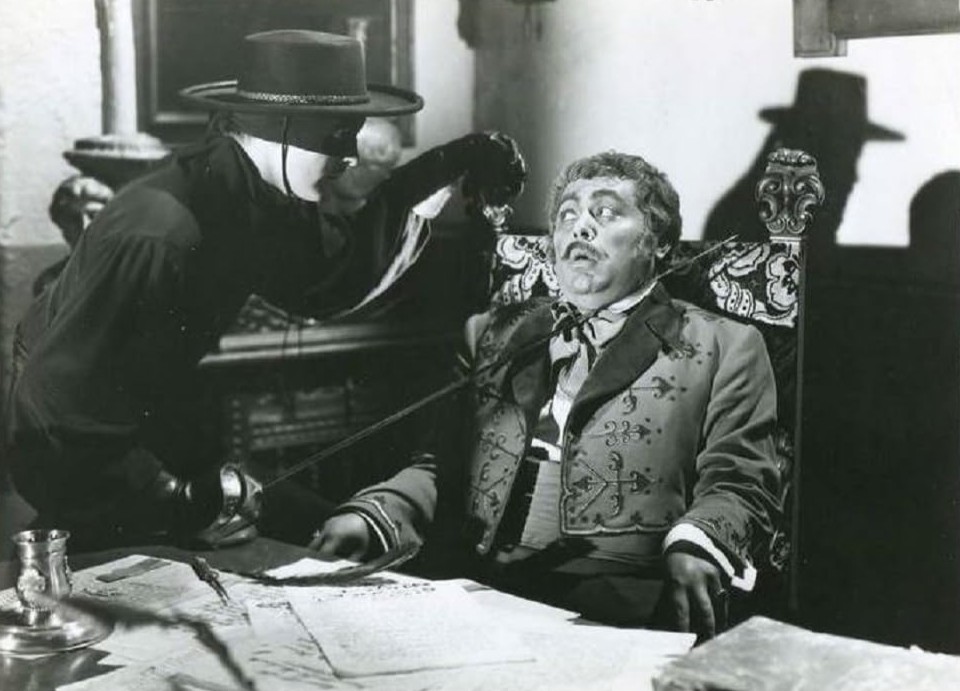
Example: Zorro
The Revolutionary is also known as the Rebel and the Outlaw, for good reason: they break the mold. Motivated to fix the system, they advocate for change and will break the rules to succeed. This attitude means they can bring about much-needed reform but risk being reckless and needlessly contrarian.
The Creator archetype
Example: Doc Brown, Back to the Future
The Creator craves opportunities for expression and problem solving. Naturally inventive and resourceful, they have a knack for bringing ideas to life and creating new things. They can veer into perfectionism if they’re not careful.
The Jester archetype
Example: Cheshire Cat, Alice in Wonderland
The Jester, or Fool or Trickster, takes things lightly. Valuing fun and frivolity, their wit and humor can delight others. But this same lightheartedness can become a problem when they veer off-task, belittle others, or play tricks.
The Magician archetype
Example: Rafiki, The Lion King
The Magician wants to bring dreams to life and believes that anything is possible. They see opportunities in challenges and motivate others to believe in empowering outcomes. This influence over others can quickly become manipulative.
The Sage archetype
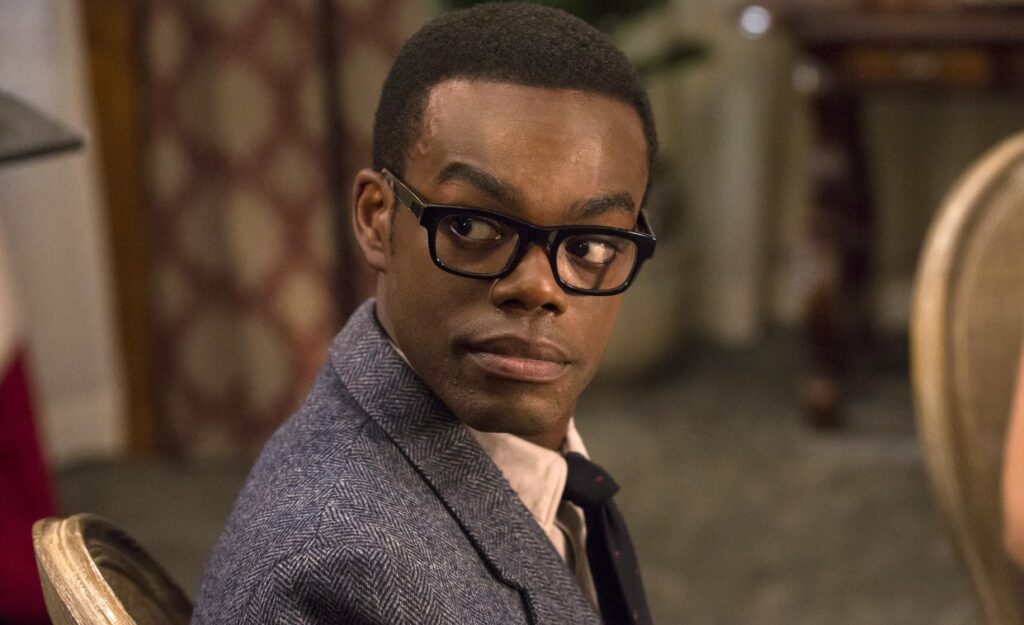
Example: Chidi Anagonye, The Good Place
The Sage is a thinker, pondering important questions and seeking truth. They have deep knowledge and expertise. Because truth is so important to them, they can hesitate to act when they’re unsure of the right path. They can also seemingly lack empathy when too focused on big ideas.
The Ruler archetype
Example: Miranda Priestly, The Devil Wears Prada
The Ruler is a natural leader. They want to be the boss, ideally using their skills to promote order and productivity. Their flaw is becoming controlling or domineering.
Combinations of Jungian archetypes
Once you’ve familiarized yourself with the basic archetypes, you can use them as a starting point for the characters you bring to life. It’s a framework, not a limitation. You can unleash creativity by combining a couple archetypes to make an understandable yet complex figure; many iconic characters have traits from two or three archetypes.
Let’s look at some combo examples.
Jack, a protagonist in Lost, is most certainly a Warrior type. He works hard, fights with determination, and can get competitive and protective. But he’s simultaneously a Caregiver, since he uses his medical training to help others. In one iconic scene, he rigs up a way to give an amputee a blood transfusion with his own blood.

This selflessness tempers his Warrior tendencies, guiding him to consider the well-being of others in important decisions. This makes him even more loved by the audience. You can create a combination like this to balance your character’s strong traits.
Dory from Finding Nemo is widely loved. Why? Her positivity and quirks are endearing to viewers. She’s a combination of Magician and Idealist. She believes in the impossible, urging Marlin to feel the same. And this belief isn’t entirely far-fetched, as she pulls them into some very lucky situations. She also sees the best in people as an Idealist, keeping morale afloat in the midst of challenges. Her silly but uplifting characteristics makes her memorable.
Your story weapon: Archetypes are foundations for character
Jungian archetypes endure because they reflect patterns readers already recognize. This does not make them cliched or formulaic — it makes them universally relatable, in that they mirror different ways of thinking, wanting, fearing, and changing that feel instinctively human. When you tap into these blueprints, characters become easier to understand, easier to care about, and harder to forget. Archetypes can give readers something solid to hold onto, even as the story moves through unfamiliar worlds or complex conflicts.
Used well, archetypes are not shortcuts or stereotypes — they’re foundations. Start with one to anchor your character’s motivation, then complicate it with flaws, contradictions, and influences from other archetypes. The result is a character who feels both timeless and unique.
By grounding your storytelling in these universal patterns like Jungian archetypes, you give your audience the pleasure of recognition while still surprising them. That balance is at the heart of compelling fiction.
You don’t need to invent characters from nothing — humanity has already given you the blueprints. Join my next 90-Day Novel workshop and learn how to craft characters who feel real, complex, and alive.