
For some writers, the idea of plotting a novel conjures a kind of mechanical dread. For others, it is the thing they have been reaching for all along — the organizing principle that will finally make sense of the characters and scenes and fragments of feeling that have been accumulating in their brains without quite coalescing into a story.
Both responses make sense. And understanding why will tell you something important about what plot actually is.
In this article, I will look at what plot is, how it is interconnected with your characters and your protagonist’s dilemma, and how to begin laying out the architecture of your novel in a way that serves the story you are actually trying to tell. Lastly, I will give you a Story Weapon to help you find the plot that is already waiting inside your idea, before you write a single scene.
To understand how to plot a novel is to understand the history of the word itself and to imagine a world that borrows its history. Plot is driven by a protagonist’s internal struggle between what they consciously want and what they fundamentally need. By centering your story on a difficult dilemma that forces character growth, you transform a simple series of actions into a meaningful and inevitable narrative.
What is plot?
In its most basic sense, plot is the beginning, middle, and end of a story.
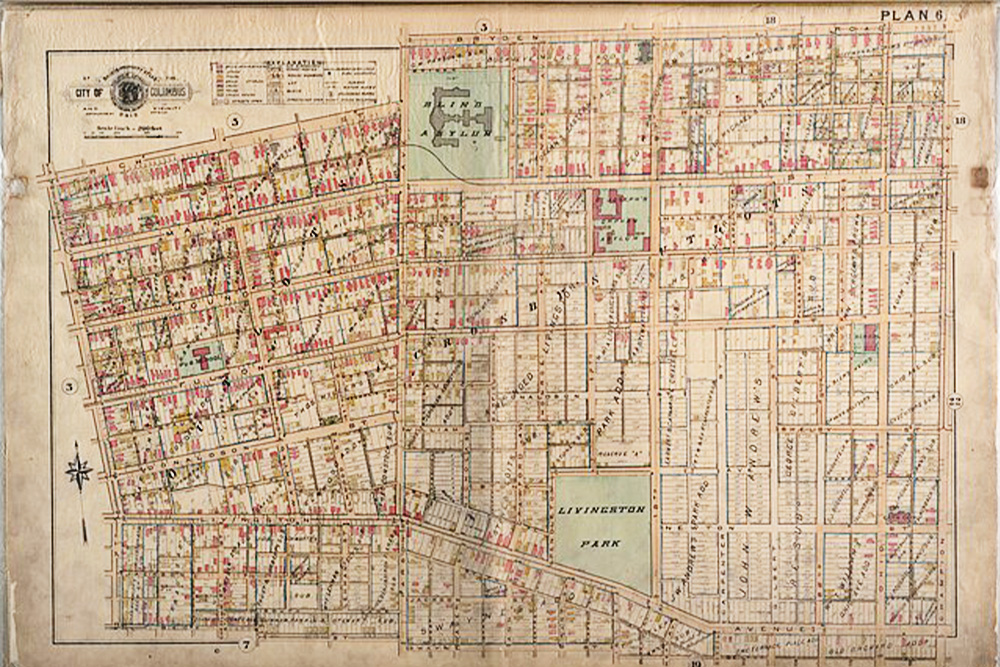
The word itself has been around longer than the novel. It comes from the Old English “plot,” meaning a piece of ground, or flat expanse of land. Over time the word morphed to mean “scheme.” In the 17th century, writers and critics began using “plot” to describe the scheme or ground on which a story is laid out.
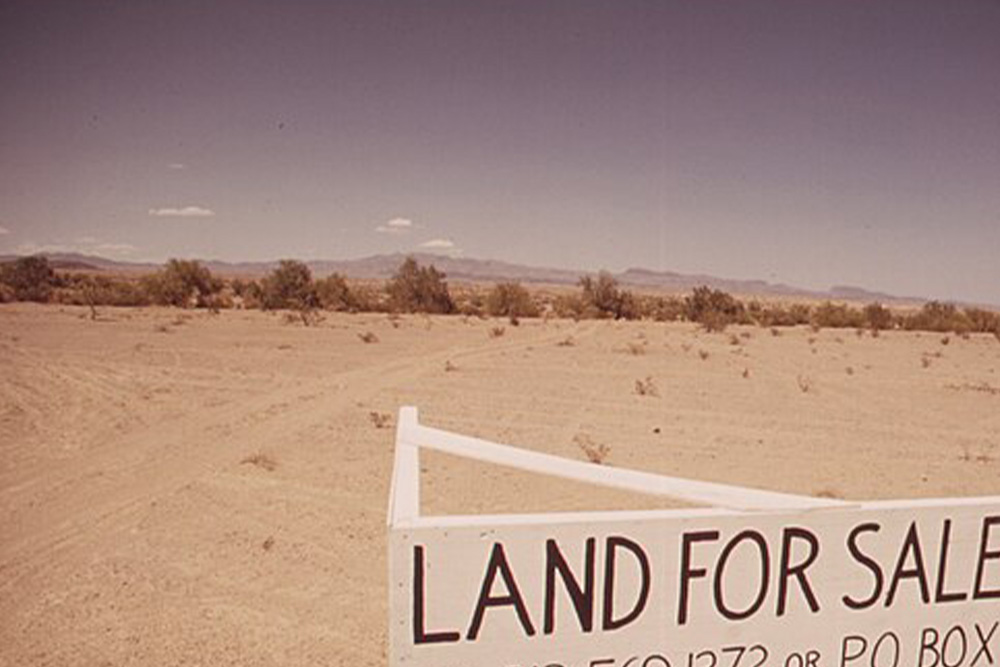
Plot is the terrain through which characters move, the shape of the events that carry them from one end of a narrative to the other. The metaphor is worth sitting with. A plot is not a formula. It is a landscape. And your job, as the writer, is to know that landscape well enough to lead your reader through it without losing them in the dark.
E.M. Forster, a 20th century novelist, defined plot as the cause-and-effect relationship between events in a story. In his own words: “’The king died, and then the queen died,’ is a story, while ‘The king died, and then the queen died of grief,’ is a plot.”
What separates a story that merely has things happening in it from one that builds in meaning as it progresses is not the number of events or the complexity of the timeline. It is whether those events are in service to something larger. Whether there is a dilemma at the heart of the story that every scene is pressing against. Whether the protagonist is being moved, scene by scene, toward a confrontation with the one thing they have been most desperate to avoid.
That is what plot really is. A sequence of pressures.
“A plot is two dogs and one bone.”
– Robert Newton Peck
Character suggests plot
Character is inextricable from plot, and vice versa.
You might think that characters stand apart from the plot. After all, the most alive characters jump off the page with solid backstories and futures we can imagine continuing in some way beyond “The End.”
To enrich your plot and make it inevitable in the world of your story, I’d urge you to think of the plot as an extension of character and character as a mirror of the plot.
Look at it this way. Your own character is a reflection of the life you live. We know who someone is by their choices. They’re formed by those choices, and the plot is an intersection of those choices.
Let’s borrow a metaphor from Arundhati Roy’s novel The God of Small Things:
“As she watched him she understood the quality of his beauty. How his labor had shaped him. How the wood he fashioned had fashioned him. Each plank he planed, each nail he drove, each thing he made had molded him. Had left its stamp on him. Had given him his strength, his supple grace.”
The same is true of both your characters and plot. When you’re starting to outline, it begins with who your characters are and what they want. Deeper still, it’s about what they need.
If you’re in the early stages of your story and you’re sketching out what might happen, try to avoid the pitfall of making up a story first and then slotting in characters to justify what happens afterward. Spend time with your characters and nurture them. Once you’ve given them the attention and time they need to flourish, they can make decisions that will surprise you.
Dilemma
At the heart of a great plot is a great dilemma.
One of the things that separates life from literature is that we often face problems that (thankfully) aren’t terribly dire. We can avoid them, procrastinate facing them, and get by with a little help from our friends. This doesn’t easily make for an interesting story. That’s why we center our plots around dilemmas, which are problems that cannot be solved without creating another problem.
You’ve had dilemmas in your own life. A failing relationship is a dilemma. You can’t solve it without the pain of a breakup or the vulnerability of couple’s therapy. It’s only through a dilemma that you change and grow. The same is true for your characters.
For the events in a story to resonate, they have to mirror the inner struggle of your protagonist. The dragon your knight faces to save the princess is a symbol of the challenge of learning how to love. The great battle in your story’s climax is a fraction of the great battle in the souls of the characters. We want to see them change, just as we want to see the world of the story change around them.
Your story weapon: Wants and needs
With these principles in mind, how do you actually apply them? I recommend, no matter where you are in the process, check on how you feel about your characters. Do you know them yet? Are they fleshed out in your imagination or are they still rough sketches? If you don’t quite feel comfortable with them yet, you need some time to explore who they are and where they fit into their world.
Tap into that feeling of aliveness in your story. There are certain images or feelings that have brought you to the shores of story creation. Trust those instincts.
Once you’ve gotten a sense of who your characters are, it’s time to explore their desires. A helpful dichotomy is the split between want and need.

The want of your character is the conscious goal they set for themselves. Maybe they want to win the local fishing competition. They want the prize money and the acclaim. The need, however, is what we really care about. This is the desire within the desire. It’s the reason that the protagonist has no choice but to take actions that involve them in the plot. Why is the fishing competition so important? Perhaps it is to be validated.
In other words, notice that what your protagonist wants is outside of themselves, while what they need is always within.
Now add an antagonist. This can be a person or a force, like nature or a ruling government. Notice that whatever your protagonist needs is shared by all of the characters in the story — the desire to be validated. This is likely the theme that carries your plot. And notice too, that validation is a dilemma. It is only when I win that I will be valid.
Do you see the dilemma? As long as one believes that the only way to feel worthy is by winning, they are forever placing their self-worth at the mercy of external forces.
Through the plot your protagonist is going to reframe their relationship to this primal desire of validation (or self-worth) and thereby, become transformed.
Now all of a sudden, you have a plot for your novel. That gives you the lines of your sketch. The rest involves coloring in between those lines.
FREE DOWNLOAD—OUTLINE YOUR STORY! Are you struggling with your outline and looking for support? My FREE GUIDE will lead you through the process of marrying the wildness of your imagination to the rigor of story structure to unlock your story within.