


One structure model designed specifically for screenwriters is Blake Snyder’s “Save the Cat!”
If you’ve been in one of my workshops, you’ll know that story structure is not a formula. True story structure refers to the journey your protagonist takes towards an inner transformation.
Structure models and templates like the Hero’s Journey or the Three-Act Structure are useful ways to understand a narrative’s overall momentum, and how they build to a satisfying climax. These templates should not be used as checklists so much as diagnostic tools to explore where your rough draft might be more fully realized.
In this article I’ll explore the fifteen beats Snyder identifies, but it’s important to understand that these aren’t merely boxes to be checked. Storytelling is not only a craft, but an art; and so, to reduce structure to a rigid formula would be akin to dissecting a cadaver in order to understand what it means to be human.
There is magic to the process of story creation. Remember that in order to tell a compelling story, you are marrying the wildness of your imagination to the rigor of story structure.
The Save the Cat story structure is a 15-beat screenwriting model designed to create clear momentum, emotional investment, and commercial viability. When used as a diagnostic tool rather than a rigid formula, it can help you shape compelling character transformations in your screenplay.
What is the “Save the Cat” Story Structure?
The name says it all. Snyder’s advice is to have your protagonist do something early on, in the first ten pages of your screenplay, that makes us care about them, ie: Save the cat!
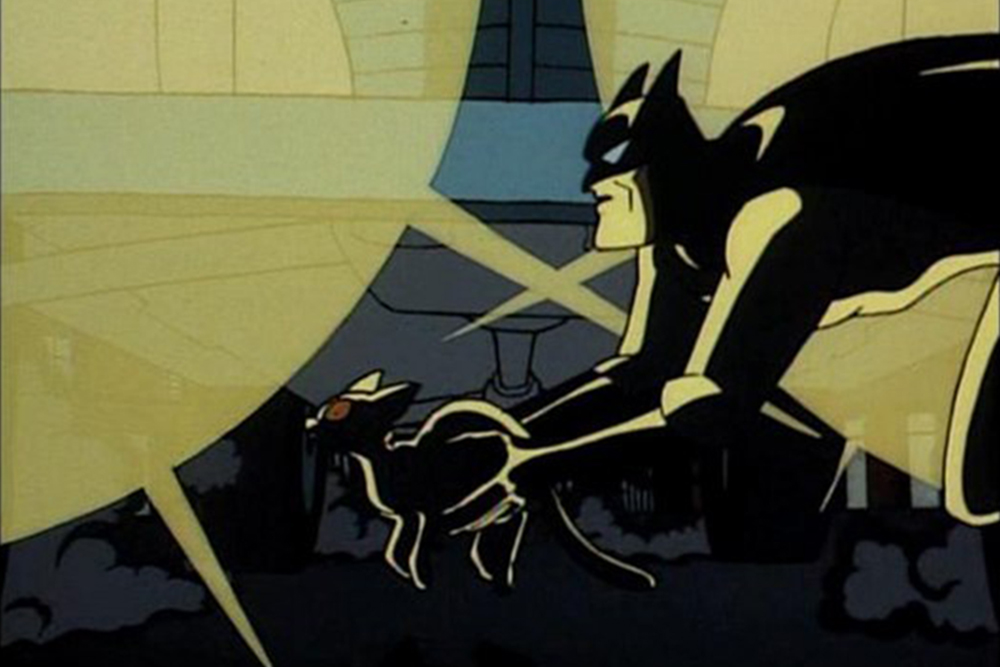
The idea is that before you put your protagonist through hell, you help the audience feel empathy towards them, thus making us care about their journey.
How is this structure model unique?
Snyder’s primary goal is marketability. The principles of the structure are easy to understand for writers at any level. And that’s intentional. On the other hand, this structure, unlike many others, is specifically aimed towards modern screenwriting. The formula is aimed at landing a commercial hit.
You can see below that the structure is pretty precise, taking into account the roughly 110 pages of a standard modern screenplay. Each beat corresponds to a screen-time expectation, making it easy for producers, executives, and writers to evaluate whether a script “works” at a glance.
This is crucial in an industry where:
- Scripts are skimmed quickly
- Timing problems are expensive
- Structure is often diagnosed before character nuance
The Save the Cat model helps ensure the story moves visually and efficiently.
15 beats in the “Save the Cat” structure
- Opening Image (usually page 1) – The beginning portion of the story quickly shows the protagonist’s normal world/status quo.
- Theme Stated (around page 5) – Here the theme of the story is revealed. This is often done through the posing of a question or through a piece of advice to the main protagonist, setting up what they will come to learn later.
- Set-Up (around pages 1-10) – A reiteration of the previous beats, further establishing the protagonist, their world, and what they could learn.
- Catalyst (around page 12) – The inciting incident, or a key moment when the protagonist’s world gets disrupted. Essentially this is the beginning of the story proper. It’s not necessarily when the protagonist begins to take part, but they’re forced into motion of some kind.
- Debate (from pages 12-25) – This depicts the protagonist’s resistance to what’s happening. Here, we see them question themselves, if they should or if they even could. This sets up their eventual commitment to be that much more endearing for the audience.
- Break into Two (around page 25) – The climactic middle ground when the protagonist finally enters into their new circumstance. While it may not be a fully realized turning, this is the transition from act one to act two when the protagonist willingly chooses to embark on their story.
- B-Story (around page 30) – Moving slightly away from the main storyline, a secondary one begins involving a relationship with a side-character. This character can be a love interest, a friend, or even a mentor who’s meant to embody the protagonist’s emotional journey.
- Fun and Games (from pages 30-55) – Your protagonist explores their new world or situation. For example, if your screenplay is about an everyday man entering the world of assassins, this is when he does the assassinating.
- Midpoint (around page 55) – A major shift occurs. This is when the stakes of the screenplay really start to mount and urgency sets in.
- Bad Guys Close In (from pages 55-75) – Past the midpoint of the story, this is where external pressures are at their highest and the antagonist gains ground. All this causes internal issues to grow and relationships to potentially fracture. The flaws of the protagonist that may have been hidden or hinted at start to catch up with them as well, revealing their consequences.
- All is Lost (around page 75) – The lowest point of your screenplay emotionally. This is when the protagonist loses everything they’ve gained. Whether metaphorically, or literally, someone or something important to the protagonist dies
- Dark Night of the Soul [link to blog] (around pages 75-85) – Here is when the protagonist processes their loss. May it be wallowing in defeat, questioning their beliefs, the protagonist confronts the reality of their situation. This point is an essential set up for the transformation of the protagonist.
- Break into Three (around page 85) – The moment the protagonist identifies and understands your story’s theme, completing the transformation within their storyline. This prompts them to realize what must be done and, more importantly, who they must become as we enter into the third act of the story.
- Finale (around page 85-110) – Now fresh off their transformation, the protagonist of the story now moves forward with their newfound knowledge/power. They face off against the antagonist, or confront the main obstacle presented in the story.
- Final Image (around page 110) – A bookend showcasing the contrast of the Opening Image to the protagonist’s new reality and their transformed state.
Where does the Cat come in?
The “Save the Cat” moment usually occurs during the Set-Up (Beat 3) or just before it. You want to make sure the audience is on your protagonist’s side before the Catalyst (the main action) begins.
Here’s an example from Disney’s Aladdin: He makes his getaway from the guards and is about to eat a chunk of stolen bread when he sees two starving children digging in trash. His pet monkey, Abu, takes a large bite of his bread piece, but Aladdin gives his own share to the children. Abu reluctantly follows suit.

This moment is not to establish your protagonist as a hero, necessarily, but to clue the audience into their humanity. Hint at their core values through their vulnerability, generosity, or something they long for.
The audience should sympathize with and feel for the protagonist. It’s in moments of endearment where the heart of this framework lies.
Why “Save the Cat” works
The Save the Cat structure is to the point and digestible enough for both screenwriters who are starting out and those who may be missing a few final pieces. It identifies the essential structural beats without overwhelming writers with theory.
It lays out what you need and leaves the magic work in your hands to complete as a screenwriter.
This format also mirrors the way the film industry evaluates scripts. Development executives, producers, and script readers are trained to look for clear turning points and forward motion. By organizing a story around these recognizable beats, Save the Cat helps writers speak the same structural language as the people deciding whether a project moves forward.
Your story weapon: Structure is not a formula
Remember that just like any other story structure model, Save the Cat works as a rough map, not a precise blueprint. It’s a study on how people naturally process stories and the transformation process within them.
Your job as a screenwriter isn’t just to fill in the blanks and hope for the best story to come to life. Save the Cat is a model to help you understand the design of your story, why things should fall in a certain order, as well as why things happen. It’s only after you’ve managed your macro-writing that you can begin to work towards enhancing your writing in the micro sense.
The Save the Cat story structure is a helpful tool to study, but it is far from the end of your writing process, it’s just the beginning.
Here’s my free story structure ebook, and while it corresponds closely to Snyder’s beats, it approaches story structure as an experiential model rather than a conceptual model.
Learn how to apply structural models like Save the Cat and others without sacrificing your own artistic integrity in one of my next workshops: The 90-Day Novel, The 90-Day Memoir, Story Day.