

Good plot development doesn’t rush or drag. It doesn’t stumble or take detours, nor does it feel contrived. A good plot builds in meaning as it progresses, until the major events of the story seem to happen inevitably of their own accord.
Plot development is the way the events of a story unfold. It’s the movement from the beginning (status quo) of your protagonist’s world, through disruption and conflict, leading to the climax and resolution.
It takes craft to get your plot doing what you need it to do, but it’s worth the effort. In this article, I’ll take you into the three main elements that comprise a great plot, and I’ll give you a Story Weapon to help you track your protagonist’s dilemma through the story.
Make story beats feel earned, tightly paced, and deeply meaningful. Plot development isn’t about engineering a rigid sequence of external events from the outside in; it’s the inevitable momentum generated when a character’s worldview is pushed to its absolute breaking point.
Tension
Most of us, especially if we like to while away the hours in solitude at a writing desk, deal with anxiety on some level. It’s tempting at times to bring a preference for peace into our work, but it’s not helpful for plot development.
For a plot to have momentum, we must play with the tension and how it’s distributed throughout the work. This is the art of raising and lowering stakes. There are several story structure templates you can use to track the beats of your story, such as Three-Act Structure, Fretyag’s Pyramid, The Hero’s Journey, and more.
These story structures track the build up of tension as your protagonist faces increasingly higher stakes. They eventually culminate in the climax, where something breaks, and an energy is released. As a result, the protagonist is transformed in some way, and that often spells consequences for the world around them.
There are no strict rules to plot development, but there are principles to help make your story the most dynamic version possible. Too much tension and the story’s unpleasant to read. Too little tension and we have no reason to keep paying attention.

Example: Whiplash (2014) written and directed by Damien Chazelle
In Act I, the inciting incident occurs when Andrew is selected to play in the most prestigious ensemble at his school. We watch him work and try to prove himself to be great. He’s humiliated by Fletcher, the conductor.
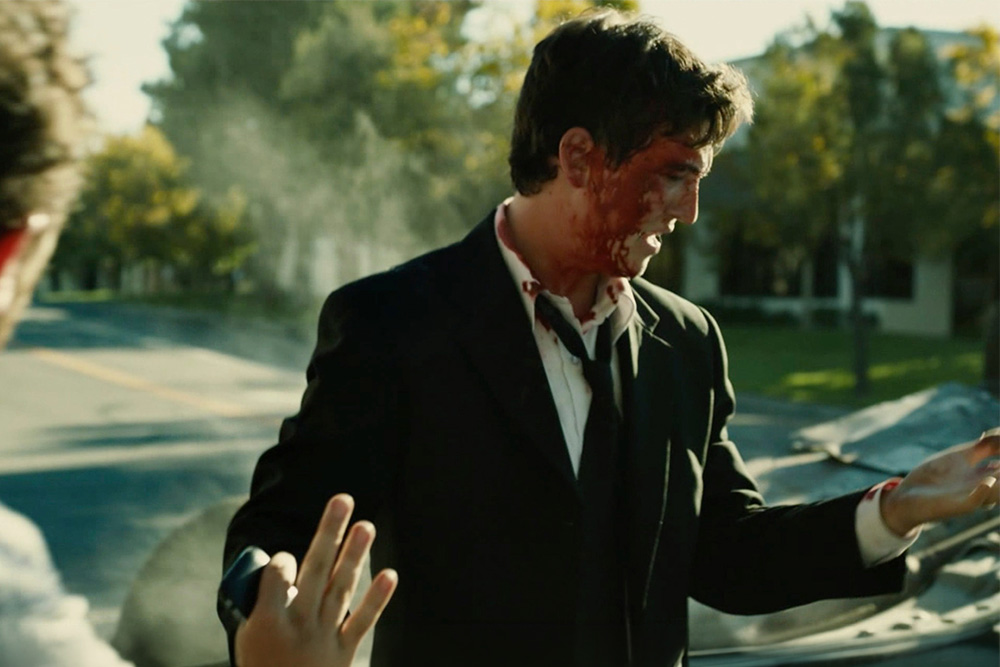
That brings us to Act II, where Andrew doubles down. He breaks up with his girlfriend. We learn about the grisly deaths that Fletcher has inadvertently caused. Andrew crashes his car and drags his injured body to rehearsal anyway. When Fletcher insults him, he breaks and attacks Fletcher. Andrew gets expelled.
Finally, in Act III, Andrew has quit drumming. He meets Fletcher again and is invited to play. He shows up, kills it, and humiliates Fletcher. The story resolves.
Each of these acts raises the stakes. It goes from being an exciting opportunity to a stressor, blowing up Andrew’s personal life. We learn more about him and see how much he cares about drumming. Pretty soon we realize Fletcher is clearly abusive. It nearly kills Andrew and he nearly kills Fletcher. Somehow, that’s still not the climax.
The climax is a moment of real bravery and rebellion. Andrew takes the stage anyway and proves to himself that Fletcher isn’t in control of his talent. We’re finally free of the looming figure of Fletcher and the tension is dispelled. That’s a plot that develops well, not rushing or dragging.
“There’s nothing worse than getting halfway through and realizing you’ve painted yourself in a plot corner.”
– Janet Evanovich
Conflict
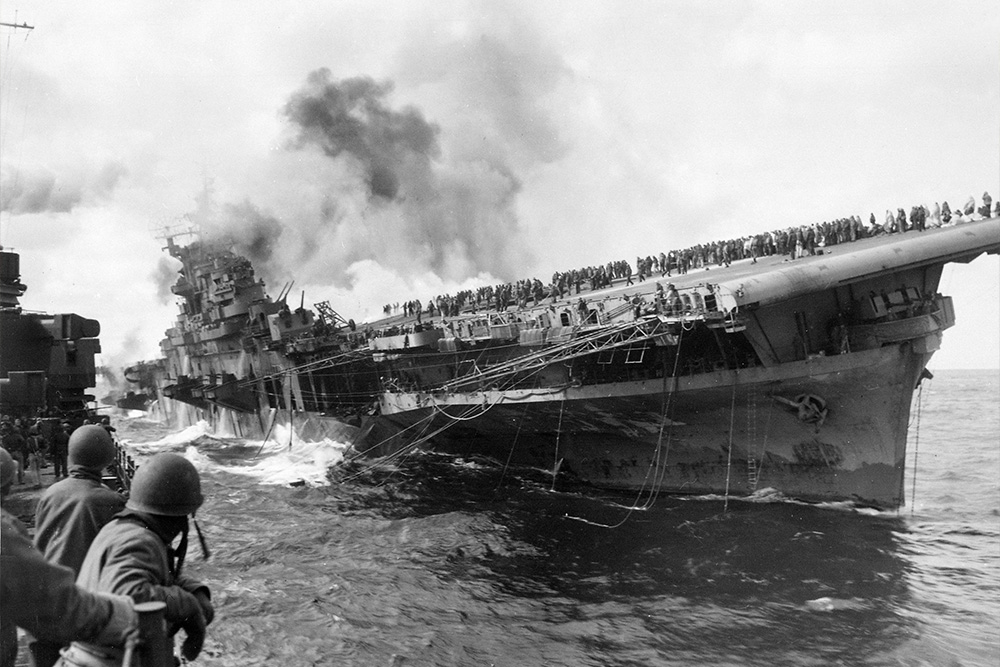
Conflict is central to a good story. Your protagonist needs obstacles to challenge them, driving them toward a new perspective and transformation. There are several different forms of conflict I’ve written about here.
Whether the antagonist takes the form of a group, nature, a machine, or another person, there needs to be a strong force working against the protagonist. The antagonistic force applies pressure and gives us an image of what the protagonist is rebelling against or what they might become if they don’t make the brave choice.
The climax of the story is where we see the antagonistic force and the protagonist in their rawest form. We see clearly what makes them different yet similar enough to be travelling the same path. Can these two learn from each other? Is there forgiveness available? Is anyone even morally wrong? Questions like these characterize your conflict and make them unique to your story.
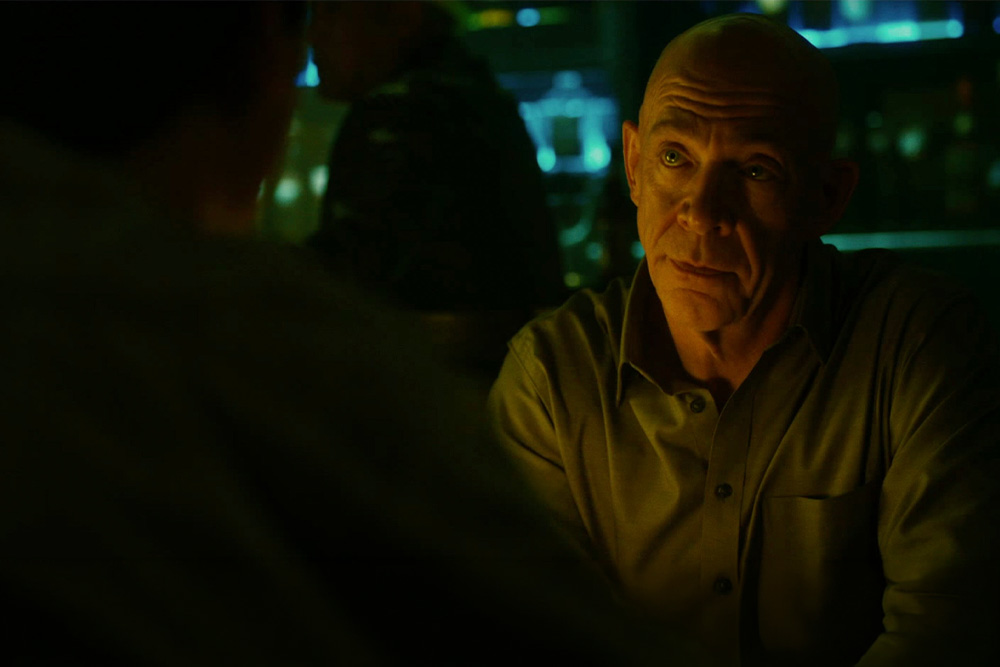
In Whiplash, the primary external conflict is between Fletcher and Andrew. Fletcher plays out his insane method of creating greatness. He believes firmly that pressure and misery are necessary parts of the formula. Though he knows he’s been harsh, he’s more than okay with a few undeserving musicians breaking and even killing themselves under the scrutiny. It’s worth it to him when greatness arrives.
Andrew had swallowed Fletcher’s view of greatness, and nearly destroyed himself to get there. By the end of the film, Andrew has sacrificed his relationship, his health, his sense of safety, and very nearly his sanity.
Ultimately, after Fletcher tries to sabotage Andrew in revenge for getting him fired, Andrew takes control of his own art and gives a legendary performance. Using the intense drive that Fletcher helped foster, Andrew’s drumming ability manifests in spite of his former teacher’s efforts.
Character Arcs

Plot development only exists in service of the characters. If you’ve got the first two elements set up well, your characters are deeply involved in the events of the story. The stakes are life and death to them. (If they don’t get what they want, their life will be unimaginable.) You’ve staked their reputation, their dignity, or their worldview on the argument that plays out through the conflict.
The choices that the characters make tell us who they are and what they believe. In the end, they’ve transformed as they gain a new perspective.
As you’re tracking the tension and conflict through the story, explore the character arcs as well. How has your protagonist’s worldview been challenged? Why does the outcome of the conflict mean something to them? What will change if they win or lose? What are they prepared to lose?
Your story weapon: Follow the dilemma
Plot development is not something you engineer from the outside in. You can’t build a great plot by simply arranging events in an order that seems dramatic. You build it by understanding what your protagonist wants, what they believe, and what it would cost them to discover that belief is wrong. Everything else follows from that.
This is the most important thing to understand about plot: the events don’t drive the story. The character does.
In Whiplash, there’s a scene where Andrew crashes his car and drags his bleeding body to rehearsal. That moment lands with such force because we already understand what drumming means to him and what Fletcher’s approval has come to represent. You can see the internal logic that led Andrew to make that choice, and it’s devastating. If you were to remove the character’s dilemma, the scene is just a man with an injury making a bad decision.
So before you ask what happens next in your story, ask what your protagonist believes at this point in their journey. Ask what they are afraid to lose. Ask what they would have to become in order to get what they want, and whether they are willing to pay that price.
The answers to those questions are your plot. Not the accidents and confrontations and reversals, though those will come, but your protagonist trying to hold onto something that the story is going to take from them.
Tension, conflict, and character arcs are not separate concerns to be checked off a list. They are actually one thing, seen from three different angles. The tension is the pressure building on your character’s dilemma. The conflict makes that dilemma visible. The arc is what happens to your character when the pressure finally breaks the dilemma open. When these three things are working together, plot development becomes the inevitable result.
FREE STORY DILEMMA GUIDE: Every great story begins with a dilemma. If your plot feels unfocused or your tension falls flat, this FREE Dilemma Guide will help you identify, explore, and sharpen your protagonist’s central dilemma to reveal the most dynamic version of your story.