



Everything You Need to Know is Within

Everything You Need to Know is Within

Alan Watt

Table of Contents

explore upcoming
writing workshops

finish the day with a completed outline

If you have a problem with the third act, the real problem is in the first act.”
– Billy Wilder

The purpose of story is to reveal a transformation. This shift in perception means a sort of death of the familiar. Thus, we delineate the journey from fear to love, from innocence to wisdom, or from victim to victor. Transformation is a scary process, because frankly, as human beings, we don’t like change — not even positive change. In fact, we often fear that we don’t deserve what we desire. And so, any change forces us to confront long-held beliefs that threaten our status quo.

On some level, our story may have begun with the breathless thought, “What if?” What if it were possible to have true love, to escape this dusty old town, to run a global social media company, to find inner peace . . .

Yet, as storytellers we understand that if all that happens by the end is that our protagonist achieves their goal, our reader or audience will be profoundly disappointed. Because ultimately they don’t really care if the protagonist gets what they want (that is just the plot). What they really care about is whether or not they will get what they need.

So, how do we get to the end and resolve this dilemma in a satisfying way? We get there by setting up our story properly. As Stephen R. Covey says in The Seven Habits of Highly Effective People, we must “Begin with the end in mind.”

We simply imagine our protagonist transformed. In imagining this, we are led to the shift in perception rather than trying to solve it as if it were some riddle. Everything you need to know is within. Your protagonist’s real problem is their unwillingness to accept the true reality of their situation. As you imagine your protagonist transformed, and develop a more specific relationship to who they are at the end of the story, you begin to understand what needs to be set up in order to get them there.

Learn more about marrying the wildness of your imagination to the rigor of structure in The 90-Day Novel, The 90-Day Memoir, or The 90-Day Screenplay workshops.


Alan Watt

Writing Coach

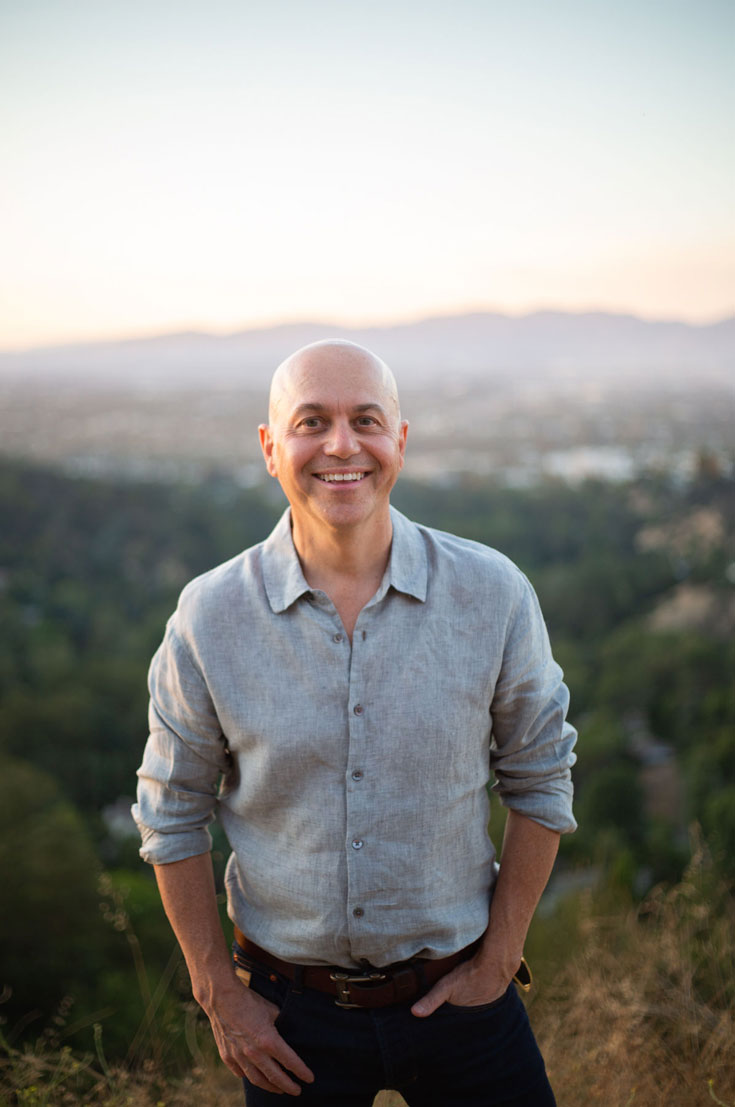
Alan Watt is a bestselling novelist and filmmaker, and recipient of numerous awards including France’s Prix Printemps. He is the founder of alanwatt.com (formerly L.A. Writers’ Lab). His books on writing include the National Bestseller The 90-Day Novel, plus The 90-Day Memoir, The 90-Day Screenplay, and The 90-Day Rewrite. His students range from first-time writers to bestselling authors and A-list screenwriters. His 90-day workshops have guided thousands of writers to transform raw ideas into compelling stories by marrying the wildness of their imaginations to the rigor of story structure.
Alan Watt with L.A. hills behind

unlock the story within

Join my newsletter for writing ideas and news on upcoming workshops.

Related posts

An image of footballers all watching in amazement as a soccer ball flies into the goal, to invoke the theme: "equipped with these tools, any author can achieve their writing goals and stun those around them."

Writing Goals

What are your writing goals? Do you have dreams of winning the Pulitzer prize? Writing a bestseller or an Academy...

A woman whose style of singing sets her apart from the crowd is a simple and effective metaphor for how to visualize the ways to describe a voice for characters to be distinguished from one another easily

Ways to Describe a Voice

Henry Wadsworth Longfellow called the human voice “the organ of the soul.” Writers must become skilled organists to differentiate and...

Image of the caucasus mountains used to visualize the 10,000 hour rule and how it can be applied to you, above in the background are high mountain peaks certainly worth climbing but in the foreground is a lake that suggests a serenity and calm in the achievement of joy

10,000 Hour Rule on Mastering Skills

“It takes 10,000 hours to truly master anything. Time spent leads to experience; experience leads to proficiency; and the more...