

Humor in Tragedy

Humor in Tragedy

Alan Watt

Table of Contents

explore upcoming
writing workshops

finish the day with a completed outline

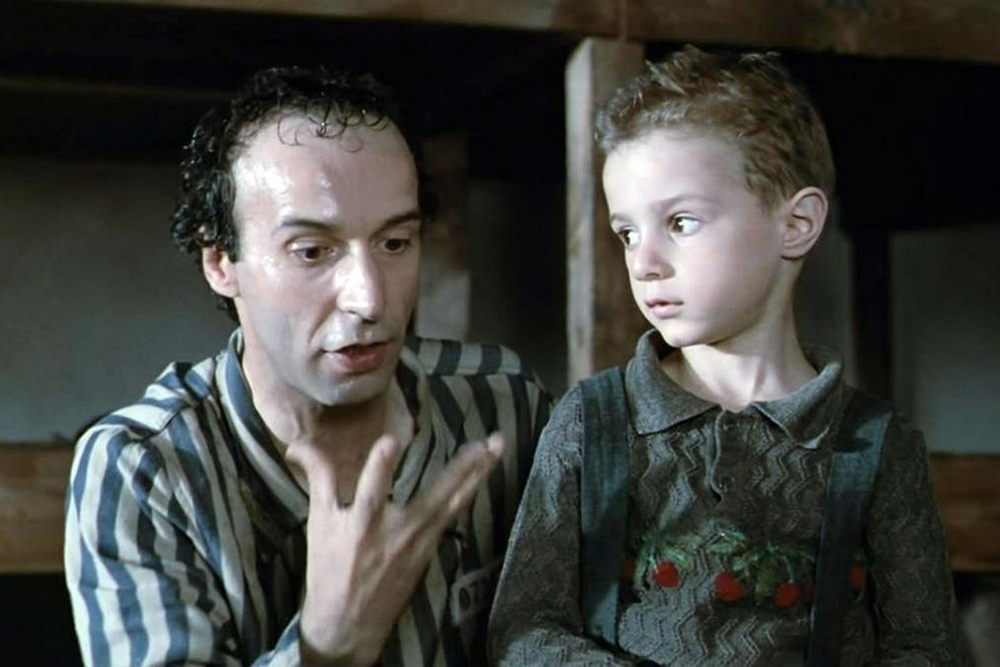
(Image from Life is Beautiful, 1997)

If you’re going to write a tragedy, infuse your story with humor. Humor pulls us towards the characters and makes us care. It also ensures that your ending will resonate.

Tragedy is not about a death – it is about the context of that death. Tragedy isn’t about someone dying – it’s about a character recognizing the error of his ways when it’s too late. Death isn’t tragic; it’s inevitable. It’s the context of the death that illustrates the theme. We understand hubris, false piety, vanity, the desire to save the world, and how these traits can lead to our downfall. The tragedy of Mercutio’s death in Romeo and Juliet lies not in the act of him dying, but in the pointlessness of it, and in how his pride underscores the theme.


Learn more about marrying the wildness of your imagination to the rigor of structure in The 90-Day Novel, The 90-Day Memoir, or The 90-Day Screenplay workshops.

Alan Watt

Writing Coach

Alan Watt is a bestselling novelist and filmmaker, and recipient of numerous awards including France’s Prix Printemps. He is the founder of alanwatt.com (formerly L.A. Writers’ Lab). His books on writing include the National Bestseller The 90-Day Novel, plus The 90-Day Memoir, The 90-Day Screenplay, and The 90-Day Rewrite. His students range from first-time writers to bestselling authors and A-list screenwriters. His 90-day workshops have guided thousands of writers to transform raw ideas into compelling stories by marrying the wildness of their imaginations to the rigor of story structure.
Alan Watt with L.A. hills behind

unlock the story within

Join my newsletter for writing ideas and news on upcoming workshops.

Related posts

A model modeling the effects of great tension in writing.

How to Use Tension in Writing

Tension can arise from anywhere — in a simple conversation, a family dinner, a job interview, or even with a...

A collection of word magnets representing the idea that all language is invented, including made-up words.

The Purpose of Made-Up Words in Stories

Have you ever read a book and come across a word you’d never heard or seen before? At first, you...

A sea of people, all of whom might share a voice in the fourth person point of view.

Fourth Person Point of View

Fourth person point of view is a unique and rarely used perspective in stories.  First person gives us “I.” Second...