

Own Your Work

Own Your Work

Alan Watt

Table of Contents

explore upcoming
writing workshops

finish the day with a completed outline

Just because you might be a first-time novelist, it doesn’t mean you’re not the authority over your work. No agent, publisher, or film producer knows more about the inner workings of your story than you.

They may have notes, and they may have some great ideas. None of those notes will help, however, if you abdicate authority over your work. Never agree to a note simply because you think it will improve the odds of selling your first novel.

The moment the first-time novelist abdicates authority over his novel is the moment he loses connection to something ineffable, something that is often difficult, and sometimes impossible to recover from.

When it comes to owning our work, there is no difference between being a first-time novelist and a seasoned veteran. Unless we’re anchored to what we’re attempting to express and are willing to hold onto that, we are just hacks.


Learn more about marrying the wildness of your imagination to the rigor of structure in The 90-Day Novel, The 90-Day Memoir, or The 90-Day Screenplay workshops.

Alan Watt

Writing Coach

Alan Watt is a bestselling novelist and filmmaker, and recipient of numerous awards including France’s Prix Printemps. He is the founder of alanwatt.com (formerly L.A. Writers’ Lab). His books on writing include the National Bestseller The 90-Day Novel, plus The 90-Day Memoir, The 90-Day Screenplay, and The 90-Day Rewrite. His students range from first-time writers to bestselling authors and A-list screenwriters. His 90-day workshops have guided thousands of writers to transform raw ideas into compelling stories by marrying the wildness of their imaginations to the rigor of story structure.
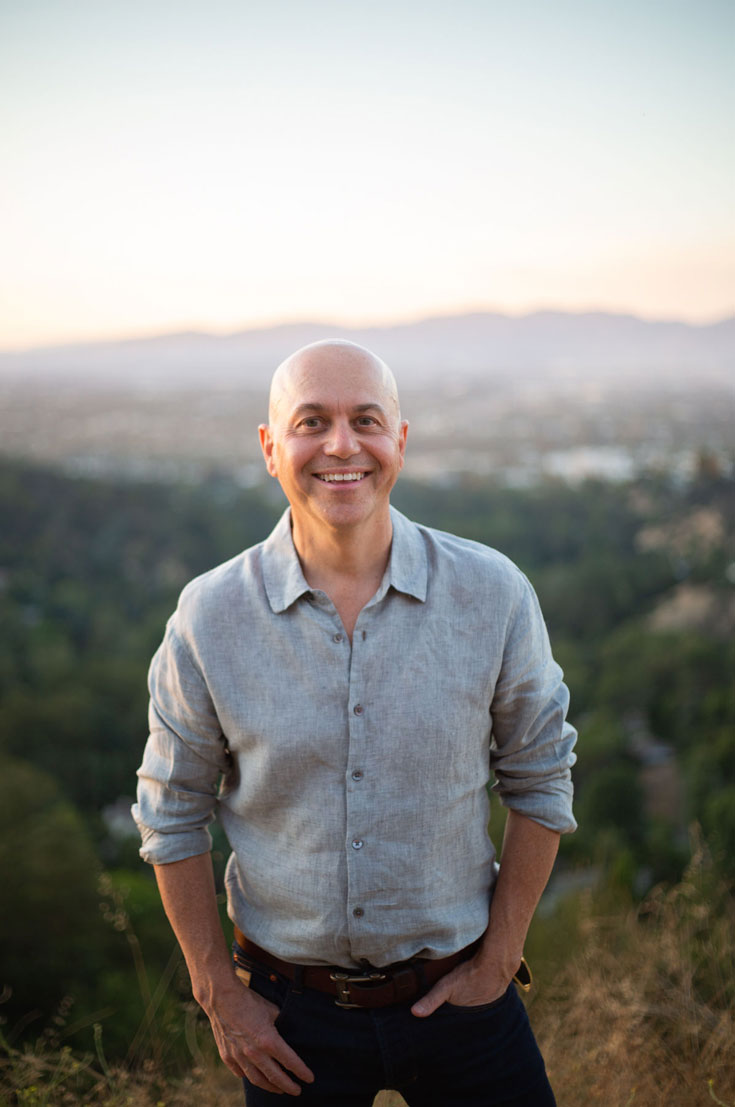
Alan Watt with L.A. hills behind

unlock the story within

Join my newsletter for writing ideas and news on upcoming workshops.

Related posts

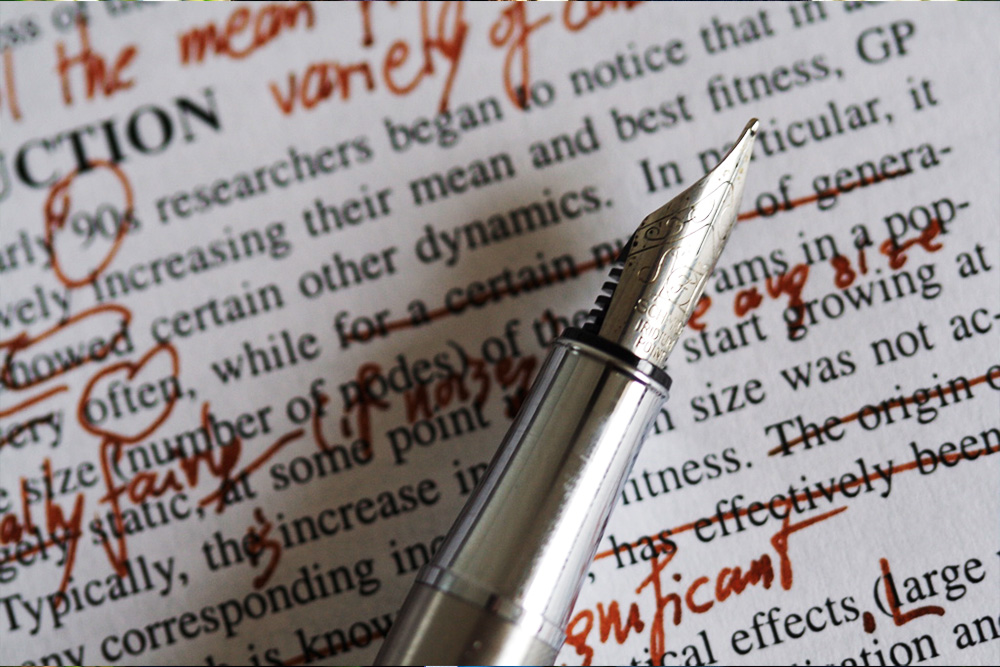
A picture of a pan next to a marked up page to visualize copy editing

Copy Editing

Copy editing is a specific type of editing that focuses on both the technical aspects of your writing and the...

Proofreading Marks

Proofreading marks are symbols used to denote corrections to a manuscript. Many editors today use “track changes” features on various...

A hand writing on papers with a red pen suggests the romance that can be found in the process of proofreading work

Proofreading

While your Editing Checklist is about clarity and pacing, and your Rewrite is about adjusting the structure and polishing character...