

It can be frightening and exhilarating to realize that our story is bigger than we are, that in fact, it does not “belong” to us, that we are simply a channel.
In Act Three of our story, our protagonist comes to a point where they accept the reality of their situation. Every writer struggles with the third act. If you find yourself panicking and thinking, “I don’t have an ending!” — relax, and trust that everything you need to know is within you.
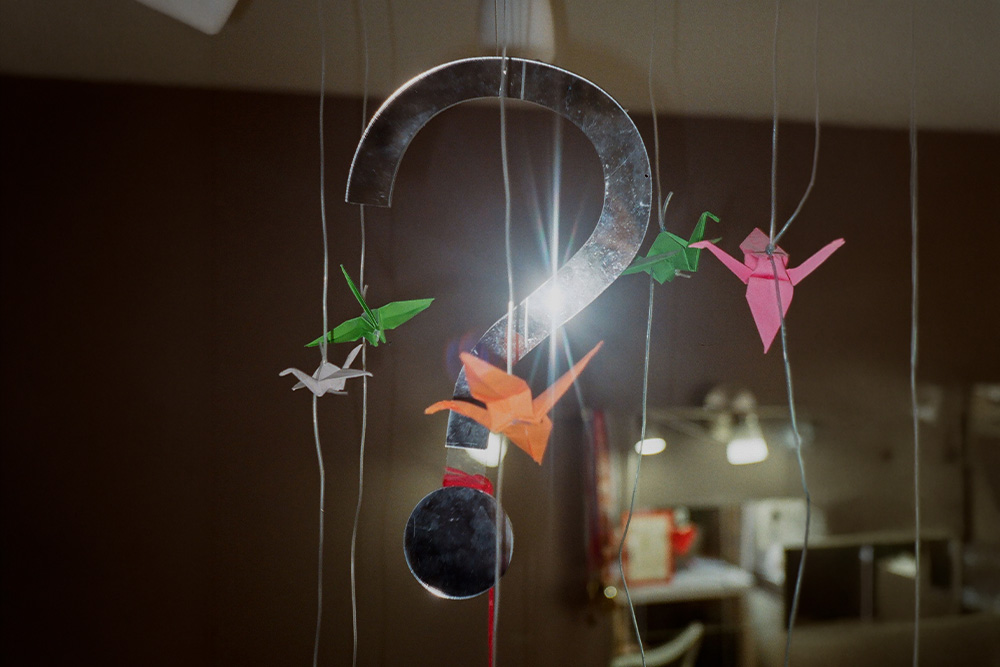
It can be frightening to ask, “What if?” But asking “what if” is the stuff of great movies and books. Asking “what if” is the stuff of Act Three. Act Three is about surrendering the old story. What if we allowed our idea of our story to collapse? What if we accepted that we just didn’t know? Wouldn’t we be exactly where our protagonist is? And how would that alter our perception? Well, hasn’t the protagonist spent the entire story pursuing their “idea” of how they think things should go? And how has that been working? It hasn’t.
Act Three is where a paradigm shift occurs. It happens as the result of our protagonist surrendering their old identity. The challenge is that we must trust our protagonist’s transformation, even if we don’t know how it is going to happen. Sounds sort of like life, doesn’t it? We must bypass all of our conditioning, all of our cynicism, all of our ambition, and trust in that childlike place, that place where we are naturally moved by the truth of our story.
This is not weak sentimentality. But I am talking about love, the basic truth of the universe that lies at heart of our story despite the tone, despite the genre, despite whether it is a happy ending or a tragedy. The fundamental nature of love dwells at the heart of every story. It is the thing that is always on the table. As we inquire more deeply, images may appear that begin to reveal an ending. We will know the ending is right because it rings like a bell. We have found some kind of order in the chaos. Our hero has been returned home.
Learn more about marrying the wildness of your imagination to the rigor of structure in The 90-Day Novel, or The 90-Day Screenplay workshops.