


A good story is like a magic trick. Through the use of language (and a few other tools if we’re talking about films and plays), the writer creates a waking dream for the reader, and we’re transported to another world.
Performing magic is a delicate act — one wrong move dispels the illusion, and we’re back in reality. In writing terms, the magic breaks fastest when your reader trips on a plot hole.
In this article, I’ll dive into the definition of a plot hole, how writers fall into them, and I’ll give you a Story Weapon to help you spot plot holes in your own story before someone else does.
Plot holes are logical inconsistencies and contradictions that break a story’s immersion by creating “Swiss cheese” in the narrative. To prevent them, writers should use causal planning—linking events with “therefore” and “but”—to ensure every story beat is a necessary consequence of the last.
What makes a plot hole?
All plot holes are mistakes, but not all mistakes are plot holes. Though there’s a certain amount of rigor to writing a story, we’re all human. We make mistakes and fall into redundancies. Hopefully most of those are cleaned up in the edits, but it’s not unusual to find typos and errors even in professional works. So, what makes plot holes unique?

Plot holes are logical inconsistencies in a story that create contradictions in the sequence of events. It’s a puzzle piece that doesn’t fit, not just a typo that the reader can ignore.
There are a few different types of plot holes. For example:
- Factual errors, like a story about ancient vikings that includes weaponry too advanced for their time or misrepresenting legal traditions such as double jeopardy to let a character get away with something.
- Events that couldn’t have happened in the setting of the story, such as two characters arriving at one location simultaneously from opposite directions — but the map you described earlier makes that physically impossible.
- If your character suddenly knows how to do something the plot demands but it doesn’t match up with any traits they’ve displayed so far.
All of these weaken the efficacy of a plot and bring the reader out of your story.

“My god, this plot is like Swiss cheese!”
– Kyon, The Abridging of Haruhi Suzumiya
The most damning type of plot hole, however, is a missing piece of the puzzle.
Most of these the reader can ignore and might not even notice. After all, we care more about having exciting action in a story about vikings than we care if they would technically have used a halberd at the time. (Most of us, anyway. There will always be some snarky internet comments about it.) But when we’re dealing with a mystery and a death goes unsolved (example below) or characters could have avoided entire plotlines if they just used what they had (think the Time Turners in Harry Potter), it’s hard for a reader not to feel disappointed.
Examples of plot holes
As much as we’d like to avoid having plot holes, there are some great works of storytelling out there that have logical inconsistencies. Audiences don’t always notice them or they’ll forgive the mistake.
Ocean’s 11 (2001)
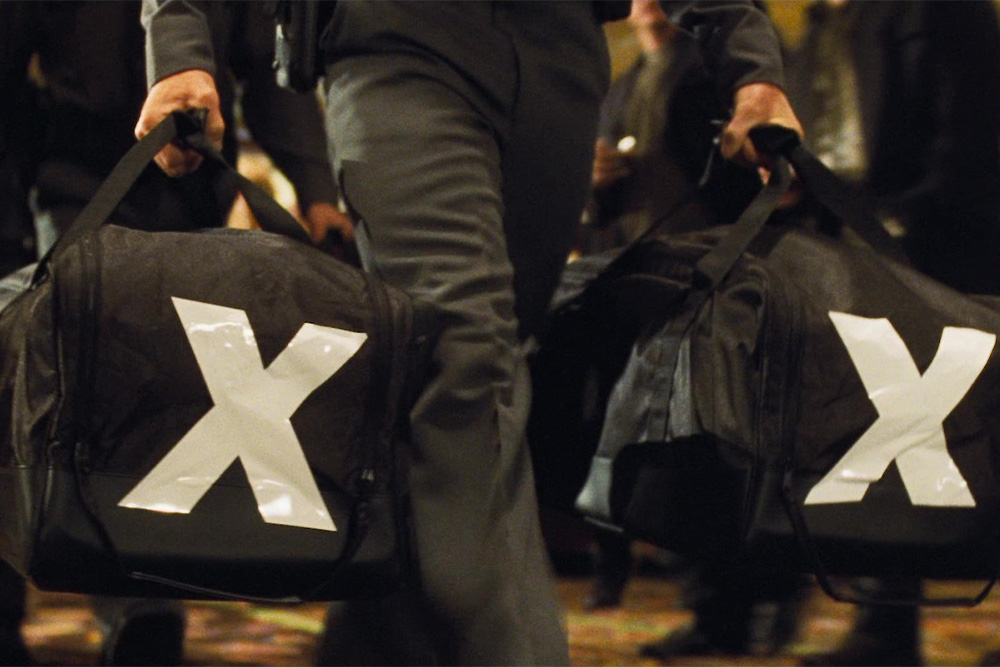
It’s a taut, tense heist film where all the pieces have to fit together — and most of them do. After carefully recreating the vault they rob, cutting the power during a boxing match to distract authorities, Danny Ocean’s crew lets the authorities capture the van with duffel bags full of money. It’s not the real money anyway, just flyers for Vegas call girls. The only problem is: there was no way for the crew to have put those flyers in the bags for the authorities to find.
In the film’s commentary, director Steven Soderbergh admits that they knew about the plot hole but just blew past it. It’s not the main part of the heist anyway.
If you’ve seen the movie, odds are you didn’t notice it anyway. This is a good reminder for any writer, especially if you’re planning a particularly complex work with a lot of moving pieces. Try as you might, you’ll probably still miss something. If you’ve done a good enough job with the other parts of your magic trick, your audience won’t take too much notice.
The Big Sleep by Raymond Chandler
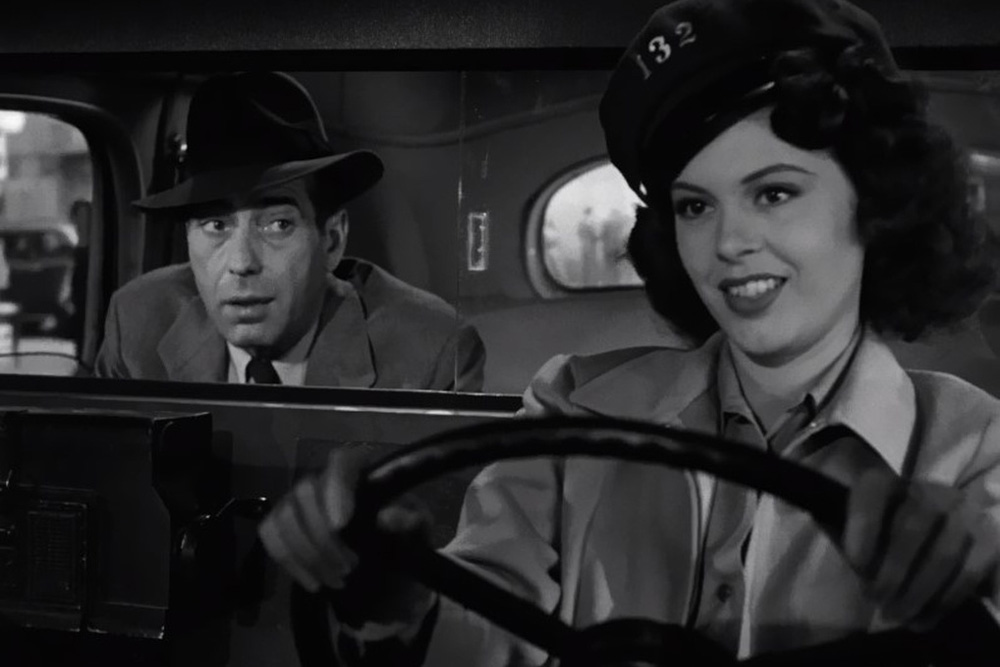
The book is a classic whodunnit, featuring a detective dealing with a grisly case involving multiple murders. The book was a huge success and has been turned into two different films. In the 1946 version, starring Humphrey Bogart and co-written by William Faulkner, the writers couldn’t figure out one piece of the puzzle. A chauffeur is found dead in the car, but no one knows who killed him.
They asked Raymond Chandler and, as he reported to a friend in a letter: “They sent me a wire . . . asking me, and dammit I didn’t know either.” It happens to the best of us.
Your story weapon: Planning ahead
Even if you think you can trust your reader to forgive the small plot holes that’ll arise if you’re writing a long series or a complex story, you can take steps to avoid them.
The best course of action is to plot out not just your story beats, but the sequence of events. Think of it like solving your own case. Where are all the clues, the details, and the important people? If you can put your story up on a corkboard with red string, you might as well. It’s like putting water in a cup to see where it leaks. You might find a place where something doesn’t quite make sense.
Another helpful tip is to link your story beats with causal words instead of incidental words.
Incidental words are usually “and then.” This happens, and then that happens, and then that happens too. It’s easier to miss necessary details when you approach your story structure that way.
Causal words are words that link your beats together. These are words like “but” and “therefore.” This may happen, but that means that has to happen, therefore this character dies. Keeping your stories linked as a chain of necessary events rather than a sequence of disparate situations helps you ensure that you’re not deciding what happens. You’re only following the thread yourself and letting the characters drive the action.
Be diligent and detailed, but don’t sweat it too much. Between rounds of edits and notes from your beta readers, you’ll have paid far closer attention than your average reader will. And by then, the small plot holes will only be noticed by your biggest fans upon repeated readings!
If you are ready to strengthen your command of story structure and refine your ability to spot and resolve these gaps before they disrupt the reading experience, consider taking the next step in your writing journey. Join one of my workshops: The 90-Day Novel, The 90-Day Memoir, Story Day.