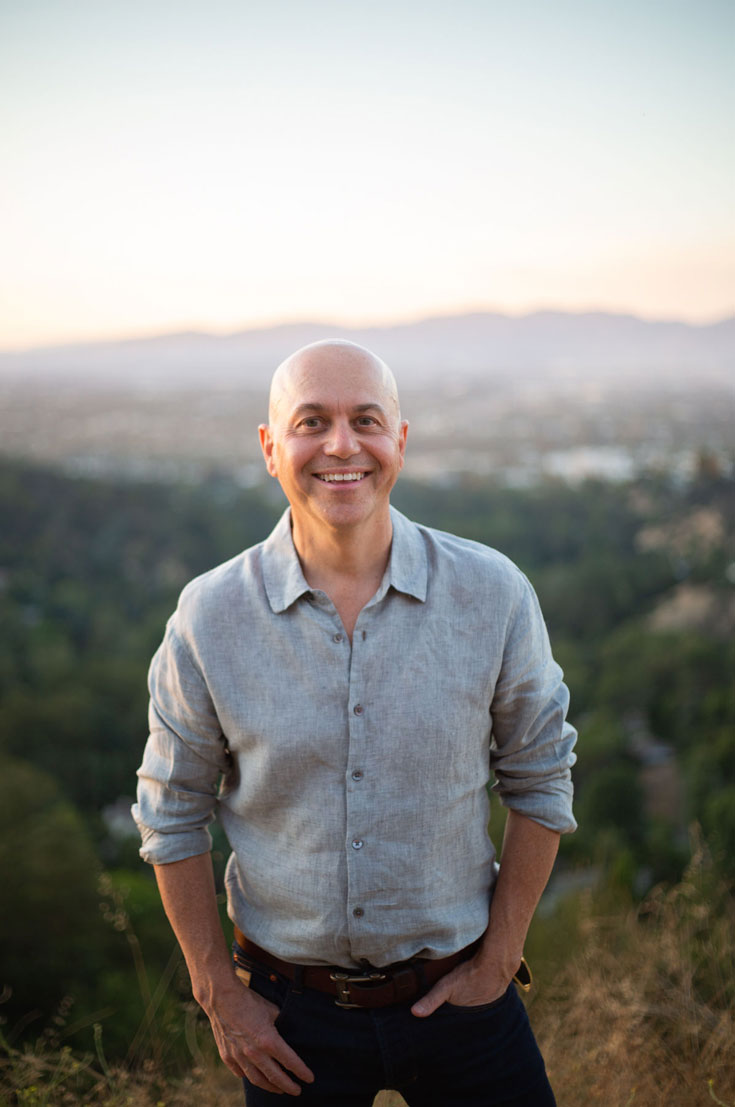

A very long time ago I wrote an essay comparing the then Mayor of Chicago to King Nebuchadnezzar in the Old Testament, which was subsequently accepted and published in the Op Ed section of the Chicago Tribune. Believing I had a future as a writer, I churned out essays, publishing here and there, until suddenly the cadence of birth, birth, birth, birth, stopped me. Motherhood occupied my time and I was up to my eyeballs for sure, but my need to put words on the page hung out in the woods of my mind, peering at me like a nocturnal animal with dilated orbs.
Spending an inordinate amount of daylight on laundry and food preparation to keep a largish family alive and clean, I learned quickly to prioritize, time being a fleeting commodity. Even though I was busy with the demands of little hands and feet, my love affair with words continued in the hunt and peck method I had developed since I was a small child.
I was and am a barn-yard scrounger of words and phrases. Writing ideas down in notebooks, sometimes so scribbled as to be indecipherable, and saving napkin notes for the thought that leapt out at me and couldn’t wait for the ordinariness of pen and paper.
I read voraciously, dog-earring and marking my trek. It’s a habit I still can’t seem to shake, calling my sister or anyone really who will listen, to share a tidbit, a passage, a movement in the symphony of sound that words play for me in my mind.
As the years passed and my daughters grew, and while also running an interior design business, I carved time into small manageable pieces. I treasured my writing moments, needing the clunk, jab, bang of my old typewriter, my hands still able to feel the carriage return and the wild satisfaction that came from throwing a line into the finished pile on the page, literally.
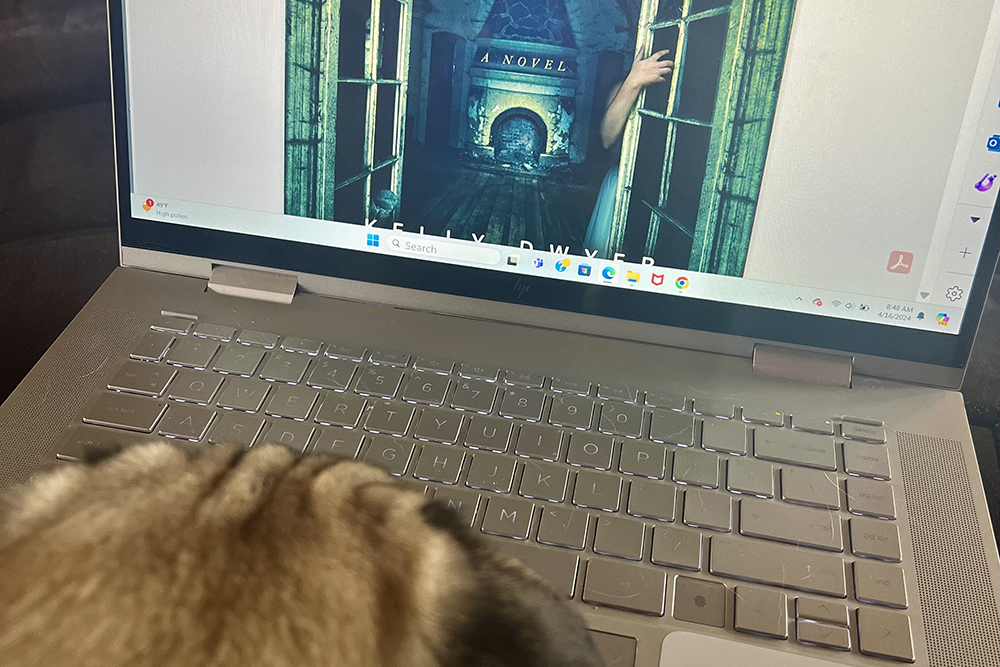
My manual typewriter gave way to several electronic versions, until suddenly one cropped up that had a short memory attention span where I could only see a total of four inches of editing space. Wowzer. Onward to word processors and the computer keyboard I type on today, each one allowing me to formulate letters into words and get something inside of me into the outside world.
Forced time management taught me not to think of writing as cursory, or stilted, but precious and profound. I spent time, crammed into already crowded years, earning an MFA, and took it seriously, this business of writing. I have learned many things over the course of a long life, and the glory of being a writer stands proud and solitary for its primal nature that cannot be stopped. I have five buckets I dip into most days. Each one a cup of cold water, necessary to survival as an author — a title I am wary to claim since I thought it might not be possible. It is. Dip and drink and hopefully you too will be refreshed.
Bucket One: Start
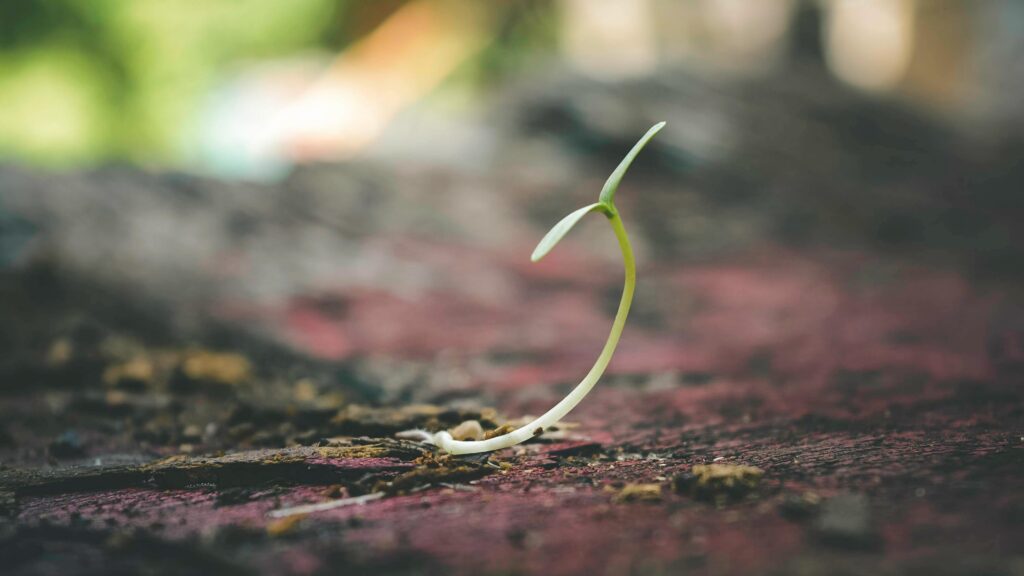
It is that simple. Just start and plant the seed that you are clenching in your fist. A single point of inspiration is all that is necessary to get going.
I remember sitting at a table in a small café, sipping a cup of hot black coffee. I was between design appointments and normally held myself tight, my emotions wrapped up in cellophane lest I crumble from the weight of responsibility I loaded onto my back each day.
Sipping, reading, willing myself to relax, I glanced up as a young woman took her seat near me and on her face was an obvious expression of angst. She looked close to tears. Suddenly I was brought back to my teenage days when I forgot my locker combination, breeding worry into my life. My heart leapt within me at the emotional upheaval.
Taking out a pen, I scribbled down all the feelings that demanded expression: anxiety, lost, anger, alienation, sadness, solitary. An idea that had been simmering behind my eyes suddenly took shape by tapping into this emotional stirring. I allowed words to erupt on a page.
This was the starting point for a piece I wrote for a publication that would later become a column. I consider this moment, this essay formed, this column, as the start of my writing career. I learned to always be ready, to think of myself as a curator of words. And suddenly I was.
Bucket Two: Get help
Writing is solitary much of the time, but it doesn’t have to be an island where the only friend is a ball. The world of writers is a tightly confined group that loves to talk about craft. Most, if not all artistic endeavors, are a simmering pot that roils and boils and demands expression.
Talking about the process gives writers the permission they need to share with other writers. The joys, the frustrations, the what the hell am I doing. At first, on tiptoe, cautiously, but the torrent of pent-up feelings will emerge, giving way to connection and suddenly the island has inhabitants.
Milan Kundera calls writers “practitioners.” I would agree. We practice writing, always doubting, always wondering if this could be better. And probably it could, so find someone who will help you find the better.
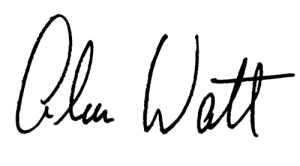
Several years ago, I had an idea that couldn’t find form, and rifling through books, rereading passages, watching tutorials, wasn’t enough to springboard my disorganized thoughts onto the page. Through a labyrinth of secret chambers, I discovered Alan Watt and signed up for a series that brought my second book into creation.
I was stuck and having Alan put his hands into the air, clutching the top of his head and asking, “But why!” lifted my jumbled thoughts out of the mire where the light could once again be seen. Alan asked questions no one had ever asked me before. I had neglected the magic and was forcing my words through a strainer. Nobody wants to read pinched, dead words.
Bucket Three: Read
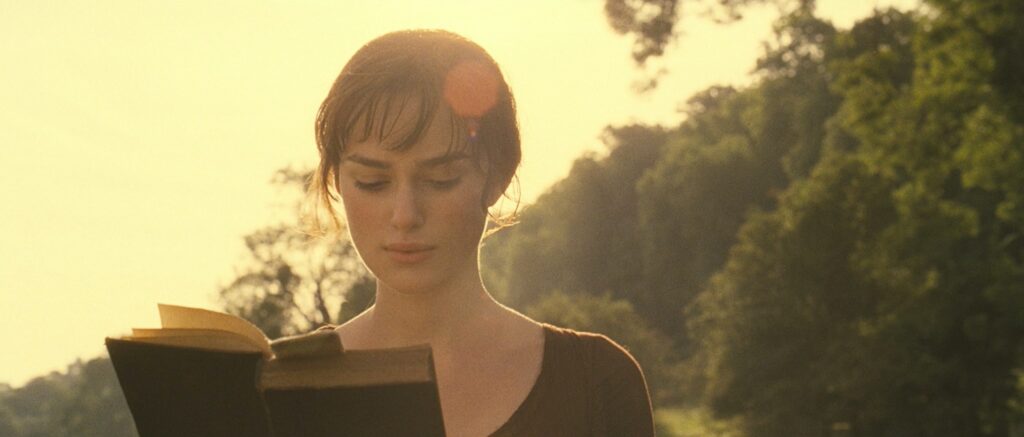
I grew up with books. Everywhere. I cannot remember a wall in our living room, dining room, or family room that was not covered with poorly made shelves my father cobbled together to hold books. Setting aside my realization decades later of the horror of sagging lengths of wood, reading was mandatory in our house.
The bliss of parents who read and expected their six children to do the same, was a natural environment of quietude when we were sent to bed for reading hour. This habit is ingrained in me, and I cannot imagine moving to a new town without first discovering the location of the library before hunting for a local grocery store.
Read for pleasure and read for education. Reading the works of others is the truest form of learning for a writer. How did others do it? Why am I moved? What happened that made me laugh? I walk in my neighborhood and mull over Isabelle Allente, and Artis Henderson, and Galbraith and Dickens and Marquez. Which words made me want to die and which ones had me up and pacing?
Reading for a writer is like seeing the bird’s nests in winter trees that were hidden by foliage a short time ago. Why didn’t I see that before? Is the nest abandoned? Will it hatch new eggs in the spring? These thoughts are as true to our visual experience as to the books or tablets we hold in our hands.
Asking questions of our reading is twofold for a writer. Abandon yourself to the work of others, where expansion of mind and soul and spirit is enjoyment bar none, but also to feed the more clinical way of interpretation and critique, a skill that should be honed.
Bucket Four: Publish
Publishing is not writing and writing is not publishing. Ask yourself whether you want to get your book or essay out into the world. If the answer is yes, you do want others to see and appreciate your writing, then publishing is your path. You will wear a different hat in this world, and it will be your duty to educate yourself.
There are three truths to embrace if you decide to seek publication for your work. (And remember, there are a variety of paths today in the world of publishing and you should educate yourself in all of them.)
- Only submit or query when you have done all you can do. Be all you can be, serving your writing with fervor and precision. Work with a developmental editor, if need be, take a class, join a cohort, go to live readings, meet other writers, and edit edit edit. Take no offense since publishers take no prisoners.
- Do your homework and pay attention to submission guidelines. Start small and submit portions of your work to writing contests, gathering wins that put wind in your sails. And celebrate the small stuff. Did you get a rejection letter that was kind? Woohoo! Have a glass of pinot. Did a literary magazine ask to read your essay? Fantastic! Go out with friends! Every small victory is a celebration of the written word.
- Build a body of work. Personally, I work on more than one thing at a time, since my brain gets bogged down easily and requires a new shiny object that will tempt me toward tributaries, keeping my writing fresh. As chapters and essays and passages pile up, you can point to your manuscripts and say, “I did that.” This will declare to your soul that you are a writer.
Bucket Five: Be a good writerly citizen
It is an amorphous idea, being a good writerly citizen. One day this means buying books, another day it means attending a rally at your local library. On some gray days you will be daunted, thinking you are alone in the world of words, screaming along with Anne Bancroft in 84 Charing Cross Road, “Doesn’t anyone read any more?”
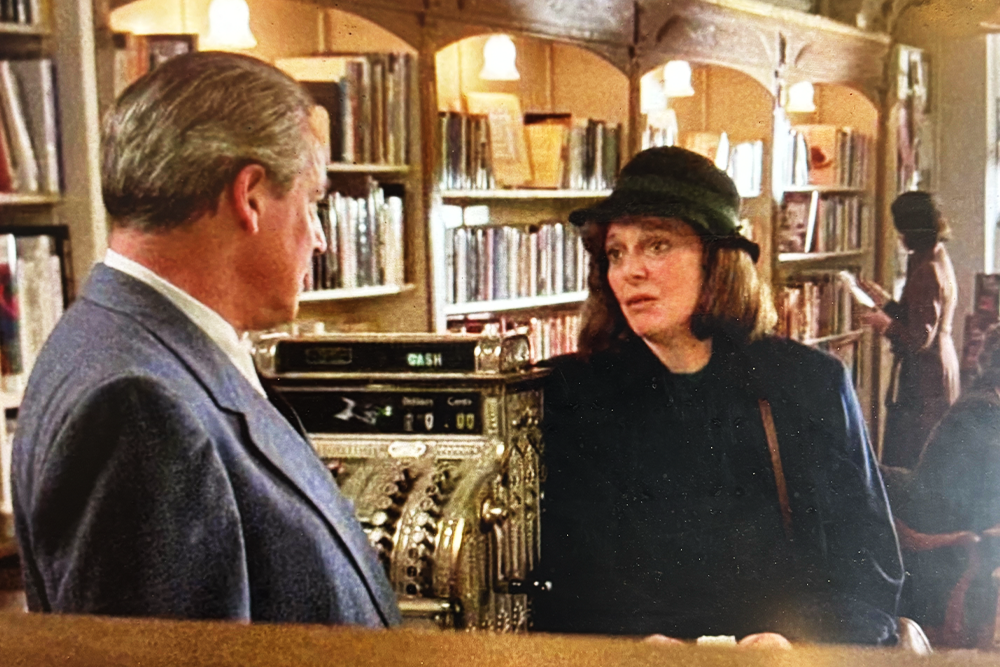
As a writer and author, I don my literary hat, urging other writers to do the same. Show up to book readings, buy books that woo you, and ask your friends what they are reading. Be the book person in your friend group. Join professional organizations like The Author’s Guild. Participate in group conversations, attend a retreat, put a book in your purse or satchel, read in airports, look for opportunities to quote from a book where nothing else will illustrate meaning.
It is a privilege to be a writer, so carry the banner proudly, showcasing joy as you hoist it high above the clouds. We are writers and words matter.