

If you’re like me, and wondered if being on social media and doing book promotion was even compatible with the serene state of mind that deep work requires, the Substack platform might be for you. There’s great work to read, new authors to discover, and the possibilities for writers are intriguing. The vibe truly is different.
Substack offers authors a distraction-free platform to build an audience, retain creative control, and bypass traditional publishing gatekeepers through long-form, thoughtful content. Success on the platform requires discipline, consistent posting, and finding a specific niche or area of expertise. While growing a readership takes time, it rewards writers with deeply attentive engagement and an authentic community.
Should I have a Substack if I’m not a published author?
Many industry professionals encourage writers to write regularly on Substack as a way to grow a platform before you seek publication for your book. There are good reasons to believe them.
While I have taken years-long breaks from social media to avoid all the noise and strife, I have found Substack to be a friendlier platform. You own what you create, you can take it with you if you leave, and many writers and experts in their field earn a substantial (even very rarely a mind-blowing) income from Substack. The founders of the Substack platform have, quite simply, made something worthwhile.
According to Substack demographics, there are an even number of men and women on the platform, the vast majority of readers are American, and most are between 25-34 years old. That said, I’ve been amazed at the number of young writers who don’t even know about this platform. I think it comes down to the way writers use Substack.
Tweets on X, Bluesky, and photos on Instagram all obtain followers by being extreme. They push pithy, shocking content. Substack doesn’t work like that. This is a place for long-form essays and articles.
Many famous and influential journalists, academics, publicists, and writers have pivoted away from legacy media to Substack.
The reasons vary, but they usually involve freedom to write at length on the subjects in which they have expertise. Mainstream media keeps a tight lid on length. Substack allows journalists to write expansively, and to share their work with a generally thoughtful audience.

Some articles on Substack can be biased or partisan, of course, and they can certainly push suspect agendas. But readers who mull through 3,000 words on a subject aren’t looking for quick dopamine hits. Long-form articles require thoughtful engagement. You have to read a piece, and then — this is the critical difference — you have to think about whether you agree or not.
The platform has attracted a wonderful audience of critical readers who are willing, indeed eager, to read deeply challenging, well-wrought, and well-investigated work.
Why writers love Substack
It’s the only platform I know of that cultivates deep reading. It is why you yourself might find pleasure in starting your own Substack. I certainly have.
I posted my first Desperate Writer essays in Jan 2024 without expecting much of anything. I was working as a freelancer in publishing (I still am), and had gained valuable insights that I wanted to share with other writers.
Here are a couple of early posts that resonated with readers:
Did I know where I was going? Not really. I just started writing what I wanted to share with others about what I’d learned as a writer. Along the way, I decided that it would be much more fun to have a Substack magazine, where other writers I admired could also have their own columns. Now I have a rotating group of freelancers who publish for a small honorarium (I reinvest much of the money Desperate Writer earns from subscribers to pay my co-writers.)

Anne Marie Corrigan, an Irish writer, has a column of her own focusing on Irish poetry, but going in other poetic and personal directions that speak to her.
Brazilian writer Antônio Xerxenesky writes about world literature, teaching, editing, translation, losing and finding faith, and whatever else calls to his heart:
Substack is rumored to be a tough playground. It takes a long time to get readers. Many writers get discouraged posting good work while receiving few subscribers and little recognition.
I say, don’t do it if you don’t want to, but if you go ahead, don’t let that silence stop you. It’s really the same strength you need to develop to endure rejection in a bruising industry. It may take you years to get readers, but those readers you do get will read your work with deep attention. And in times like these, where attention is a scarce commodity, that is a great gift.
Also, I am enjoying the process of writing: the deadlines, the interaction, and support from other writers and people in the industry whose work I admire. When my debut novel, The Scarlet Daughter, is launched in March 2027, I know that support will elevate my book and let even more readers know about it.
But that’s not why I began Desperate Writer. I began because I had something to say and this was a low-barrier way to say it.

I have published in numerous literary journals, newspapers and magazines in the US and Canada over the years. It was a thrill at first, but then the thrill wore off. And I didn’t want to go through the process of submitting to them, waiting many months, and then perhaps being rejected. I wanted artistic control and I wanted to get essays into readers’ hands as soon as they were ready.
If you are an emerging writer without publication credits, I highly recommend that you do both. Do it all. You need to get some work in journals that might catch an agent’s eye, work that is peer-reviewed. You need to pass the gatekeepers. But for those of us who already have, more and more are saying, “Why bother with the gatekeepers at all?”
I have more dedicated readers here than I’ve ever gotten from a literary journal, and while it’s true my work is not eligible for literary prizes from being published on this platform, I certainly bring in more than the pittance that such journals pay.
What should I write about?
So perhaps I’ve convinced you to start a Substack, or you are at least interested. But now you wonder, “What could I possibly say? I’m no celebrity and I’m not a well-known writer. What might I write about?”

I recommend you spend a few weeks reading other popular Substacks before you begin.Those who tend to have the most followers all post consistently and often, engage and support other writers, interact with their readers, and (I can’t emphasize this enough) have something worthwhile and specific to say.
Does this seem like a lot of work? Not gonna lie to you: it is.
It requires the same discipline and daily commitments that writing a novel or a memoir does. But if you have that discipline, or want to cultivate it, you may find that your essays and your novel are complimentary realms.
You need to find a voice that resonates, and you need to offer something that readers will find useful and engaging. It might well be a hobby or a passion that aligns with your writing. It might be something else very different.
What do you know most about? What are you an expert in? What do you enjoy sharing? What consistently makes your friends laugh at a BBQ?
You don’t have to be a celebrity. You just have to post engaging articles that will benefit readers.
Closing thoughts
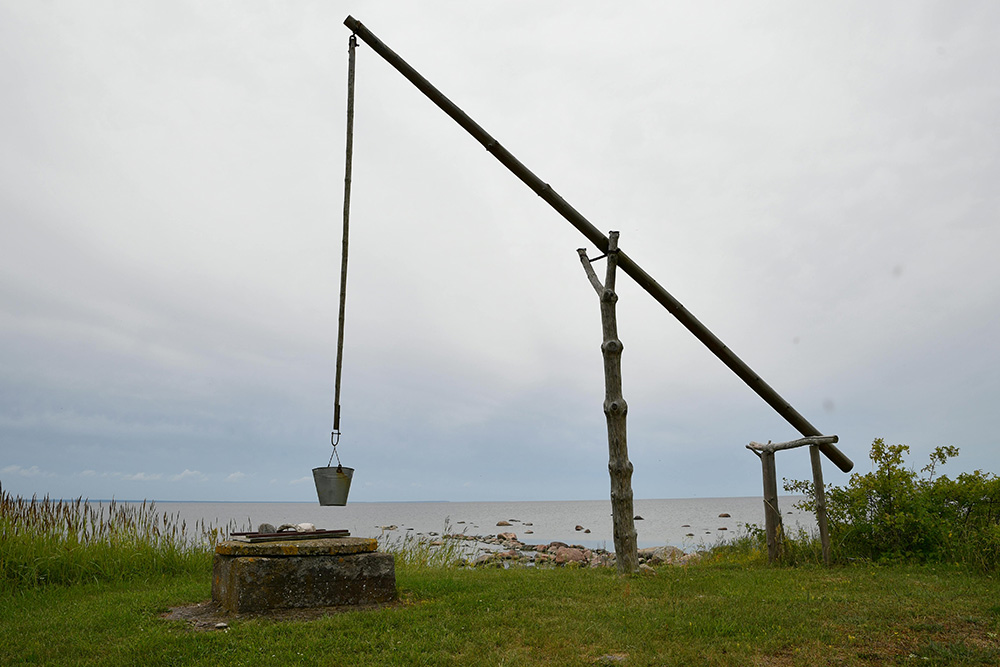
Dear Writers, desperate and not so desperate, you began to write because you have an urgent story that needs to be told. But you have more than that. Inside us all is a well of creativity that is constantly being refilled.
You may fear it will run dry, and it may, for a season, but it will replenish itself, as you read, engage with the world, and listen deeply to your own wisdom. What do you know about? Is it knitting, food, travel, fitness, caregiving, auto repair, stand-up comedy, mushroom hunting or something else entirely? Don’t be afraid to go niche. Readers enjoy niche. They enjoy windows onto unusual work, hobbies, and lives different than their own.
Don’t go it alone. Get an editor to read your articles before you post. You need beta readers who will give you feedback and honest advice on whether your essays are good enough to be published. Because Substack is a publishing platform. Find writers with whom you can share this task.
Start by giving your best work away for free. Experiment. Read other writers, be a good literary citizen, and find your niche. Have fun as you go.
Writing a novel or a memoir is a marathon, but writing a short essay or article is much lower stakes. Even if you are writing for six people and five of them are your relatives at first, writing essays or articles for Substack is a great way to discover and hone your voice and allow readers to know a bit more about who you are and what you cherish.
Happy writing!
Thanks Rachel for sharing your experience with the Substack platform!
Building a readership begins with developing your voice, your discipline, and the courage to share your work consistently with others. If you’re ready to deepen your craft and strengthen your storytelling practice, join one of my next workshops: The 90-Day Novel, The 90-Day Memoir, Story Day.