Blog

Your Writing Guide to “Show, Don’t Tell”
I suppose everything is easier said than done. The same is true for writing. It’s one thing to say a person is









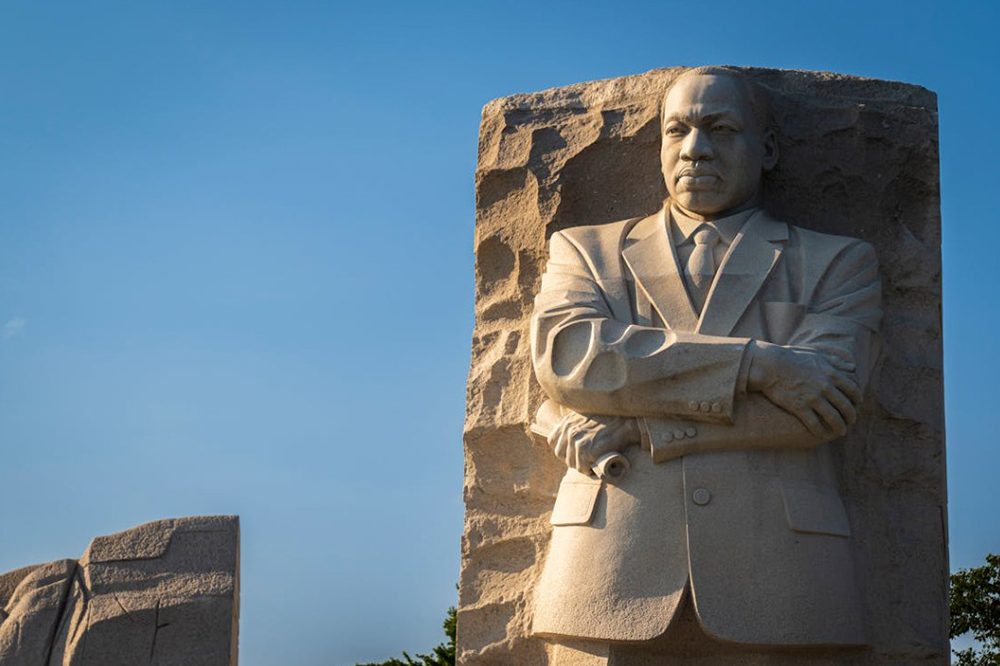
I suppose everything is easier said than done. The same is true for writing. It’s one thing to say a person is
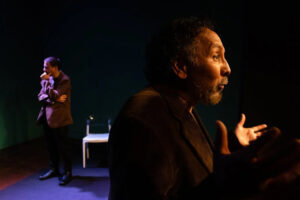
Most of our everyday speech happens in dialogue — in conversations. You might talk to yourself from time to time, but odds

The best way to flesh out something is by showing what it isn’t. If that sounds like a paradox, you’re feeling the

Understanding when and how to use active vs passive voice isn’t just a matter of grammar; it’s a matter of storytelling. The

The diction you use in your writing is a choice you’re always making, whether subconsciously or not. Writers trade in language. Diction

Creating tone in your writing provides a texture to the work. It’s the emotional coloring that shapes how a reader feels, interprets,

Irony is a comparison which reveals an incongruity. That comparison might be between events and understanding, a statement and fact, or the

“Kill your darlings, kill your darlings, even when it breaks your egocentric little scribbler’s heart, kill your darlings.” – Stephen King Of

Stories become richer when they wink at the world beyond their pages, and that’s exactly what an allusion does. By dropping hints

Rhetorical choices shape not just what we say, but how we make people feel and think. Every speech, story, or written argument

Motifs are one of the best literary devices you can have in your writer’s toolbox. Essentially, a motif is a recurring element

An allegory is like taking a step back in an art gallery to analyze a painting in its entirety. Characters become like

Coming of age is never easy. You might have been the popular kid in school, armed with academic excellence, physical prowess, and

Before a story begins, you can include an epigraph to signal your protagonist’s dilemma, the tone, and even foreshadow the ending with

In the modern world where the town square is a digital place and the zeitgeist is a worldwide phenomenon, we don’t practice

Literary devices are the various techniques writers employ to create stylistic effects, convey deeper meaning, evoke emotion, and enhance the overall impact

Flashbacks are one of the most powerful tools you can use to reveal the deeper layers of a character’s life. They allow

Foreshadowing is a key element in creating a satisfying conclusion to a story. This is the craft of planting quiet promises in